

Best Calcium Chloride 77% Granules for Superior Ice Melting and Dust Control
2026-10-26
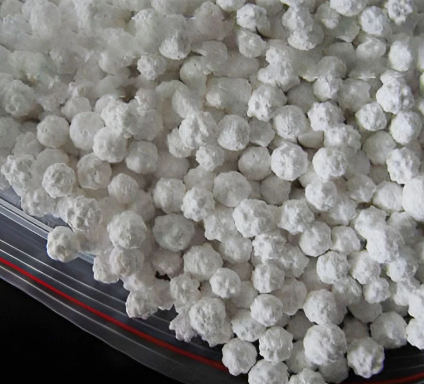
When winter hits hard or dusty roads demand reliable control, not all calcium chloride performs the same. The 77% granules from Shouguang Golden Chemical stand out for their fast-acting ice melt and long-lasting dust suppression. Here’s what makes them a superior choice for both commercial and residential use.
What 77% Calcium Chloride Granules Do That Standard Ice Melt Can't
Most bagged ice melts rely on sodium chloride, which slows down dramatically once temperatures drop into the teens. 77% calcium chloride granules keep generating heat as they dissolve, so they bore through packed snow and ice at -25°F without waiting for sunlight or traffic to help.
Standard products often sit on the surface and need repeated applications to break a thick bond. These granules trigger an immediate exothermic reaction when they touch moisture, turning the surrounding ice into a brine that spreads outward and undercuts the slab. That means one pass can lift hard-packed layers instead of just roughening the top.
There's also less of the white, powdery residue that comes with rock salt and lower-grade blends. Because the 77% concentration leaves fewer inactive carriers behind, walkways stay cleaner, traction improves sooner, and you end up using less product over the same area.
Dust Control on Rural Roads That Holds Up Between Applications
Gravel and dirt roads across farm country often turn into dust clouds after a single dry day. The problem isn't just poor visibility—it's the steady loss of fine material that binds the surface together. Once that binder is gone, potholes and washboards form quickly. Traditional water spraying or basic calcium chloride treatments fade within days, leaving road crews stuck in a cycle of constant reapplication. What actually works is a layered approach: start with a graded, compacted base, then apply a product that penetrates and bonds with the existing fines rather than simply sitting on top.
Many rural road managers find that polymer-based binders or lignin sulfonates mixed with magnesium chloride deliver better staying power. These formulations soak into the top few inches, forming a crust that resists wind erosion and light traffic wear. The key is matching the product to the local soil chemistry—clay-heavy ground responds differently than sandy loam. A common mistake is over-watering before application, which dilutes the binder and shortens its life. Instead, a light pre-wet followed by a precise spray rate lets the treatment cure slowly over 24 to 48 hours without traffic.
The real test comes two to three weeks later. If the surface still shows a dark, slightly firm top layer without loose dust plumes behind a passing truck, the treatment has held. Regular light grading or dragging can disturb that crust, so many crews switch to spot repairs rather than full-width blading. For stretches with heavier farm equipment, a top-up application at half the initial rate around the four-week mark often extends the dust-free period through the entire harvest season.
Getting the Right Spread Rate for Uneven Driveways and Large Lots
Uneven driveways make a uniform spread rate nearly impossible if you treat the whole surface as one flat slab. Low spots collect extra material while high crowns end up thin, so walk the area first and mark sections that need a slower pass or a slightly reduced gate opening. Instead of guessing, split the driveway into 10-foot sections and keep a small notebook or phone note of how much product each section takes. That per-section record will show you exactly where the rate drifts instead of hiding the problem in a single average.
Large lots need the same idea but scaled up. Divide the lot into zones based on slope, surface roughness, and turning areas. Run a short test strip in one typical zone at your planned speed and pump setting, then measure the actual coverage with a tray or a simple square-foot count before committing to the rest. Adjust the spreader or nozzle height before each zone changes—don't wait until the middle of a long run to realize the rate has crept up or fallen off.
When you get to rough or uneven stretches, slow down a little and let the material flow into the low spots without piling onto the bumps. Overlaps are another common spot where the rate jumps, so feather each pass edge rather than laying a hard line. Keep a rough tally of area covered against the tank or hopper after each zone. If the math shows you're burning through material faster than planned, tighten the next zone's setting instead of trying to stretch the last few gallons or pounds across too much ground.
Storage Habits That Keep Granules Free-Flowing and Ready to Use
Moisture is the biggest enemy of free-flowing granules. Even a small amount of humidity can cause clumping and caking, turning a smooth pour into a frustrating mess. Storing containers in a cool, dry place away from exterior walls or damp basements makes a noticeable difference. Adding a few desiccant packets inside the container, replaced every couple of months, keeps the atmosphere around the granules consistently dry.
A tight seal matters just as much as the environment. Lids that don't snap down fully or bags left loosely rolled invite air exchange and humidity. Transferring granules into rigid, airtight bins with gasketed lids prevents moisture ingress and also keeps out pests and dust. If you use the original bag, press out excess air and secure the top with a sturdy clip or tape, then place the whole bag inside a secondary container for extra protection.
Temperature swings can cause condensation inside storage vessels, especially when granules are kept in garages or sheds. Avoid placing containers directly on concrete floors, which stay cold and draw moisture upward. A wooden pallet or shelf provides a simple barrier. Also, try to store granules at a stable room temperature rather than cycling between hot days and cool nights, as this reduces the risk of internal moisture forming and keeps the material loose and easy to handle.
Why Sub-Zero Performance Is Where Calcium Chloride Earns Its Reputation
Most deicers tap out around 15°F, but calcium chloride keeps working when the temperature plunges. That's not marketing fluff—its exothermic reaction releases heat as it dissolves, so it can cut through ice at -25°F and lower. On a parking lot at 2 a.m. in January, that difference isn't academic; it's the gap between a safe walking surface and a liability claim.
Sub-zero performance also changes how maintenance crews plan their nights. Instead of reapplying rock salt every couple of hours, they can make one lighter, pre-wetted pass with calcium chloride and trust it to stop ice from bonding until morning. That kind of staying power cuts total material use and cuts down on the chloride runoff that plagues salt-heavy programs.
The reputation isn't built on lab data alone. It comes from loading docks in Minneapolis, airport ramps in Calgary, and hospital entrances in Fargo—places where a deicer that quits at 20°F simply isn't an option. Calcium chloride earns its name by staying aggressive long after ordinary products have frozen solid.
Where Calcium Chloride Granules Stand Against Rock Salt and Magnesium Chloride
When winter roads turn treacherous, the choice of de-icing material often comes down to calcium chloride granules, rock salt, or magnesium chloride. Calcium chloride stands apart in both performance and practicality. It works at much lower temperatures than rock salt—down to around -25°F versus 15°F for salt—so it keeps surfaces safer during deep freezes. Unlike magnesium chloride, which can leave a slimy residue and attract moisture even after the ice is gone, calcium chloride dries to a manageable film that doesn't turn walkways into a slippery mess days later.
Another key difference lies in how quickly each material acts. Calcium chloride granules release heat as they dissolve, speeding up the melting process noticeably compared to rock salt. That rapid action means you need less product to clear the same area, which reduces both cost per application and the amount of chloride entering nearby soil. Magnesium chloride may be gentler on vegetation in small doses, but its higher price and tendency to re-freeze at moderate low temperatures make it less reliable for sustained cold snaps.
From a maintenance standpoint, calcium chloride granules also hold an edge in storage and handling. Rock salt clumps badly when exposed to humidity, while magnesium chloride often arrives pre-wetted and can corrode metal equipment faster. Calcium chloride keeps a consistent granule size, spreads evenly with standard equipment, and leaves less white residue on floors and carpets than salt. For property managers weighing upfront cost against long-term safety and surface damage, calcium chloride often provides a more balanced and predictable option.
FAQ
Higher purity puts more de-icing power in every granule, so a light pass can break up ice faster and keep walkways clear longer without piling on extra material.
It remains active down to around minus 25°F, while ordinary rock salt tends to lose much of its effectiveness near 15°F.
Granules are heavy enough to stay where you toss them, even on sloped driveways, and they dissolve at a steady rate instead of clumping or bouncing away.
Yes, they pull moisture from the air and bind loose fines together, forming a firmer road surface that resists dust even under regular vehicle traffic.
Clear away loose snow first, then use a spreader on a low setting to apply a thin, even layer. Starting before or right after ice forms keeps the surface easier to maintain.
No de-icer is completely harmless, but because you can apply far less of a 77% formula than standard salt blends, it tends to be gentler on sealed concrete and plants when you avoid overspreading near beds.
Keep the bag tightly sealed in a cool, dry spot off the floor. If humidity gets in, the granules may cake, but a few firm taps or breaking them apart will restore flow for the next use.
Conclusion
Standard ice melt gives up long before the thermometer sinks, but 77% calcium chloride granules keep working when pavement hits -25°F. That exothermic reaction generates heat on contact with ice instead of waiting for the sun or traffic to help, so even packed snow and glare ice release their grip. Rock salt can't match that low-temperature bite, and magnesium chloride tends to leave a greasy residue that tracks indoors. Calcium chloride draws moisture from the air, which speeds up brine formation and cuts through ice faster with less material per square yard.
On rural roads, the same hygroscopic nature binds fine dust particles and keeps gravel from kicking up between applications, making a noticeable difference for driveways that double as work sites or long lanes. Getting the spread rate right matters most on uneven ground: too little leaves icy patches on dips and shaded corners, too much wastes product and risks surface damage. A hand-held or walk-behind spreader set to a light, even pass works better than heavy dumping. Storage is simple but often overlooked—keep the bag tightly sealed, off bare concrete floors, and in a dry spot. Granules stay free-flowing for months when moisture is kept out, so the next storm or dusty stretch doesn't catch you with a hardened block.
Contact Us
Contact Person: Tom Cui
Email: [email protected]
Tel/WhatsApp: +8618663670626
Website: https://www.jinjigoldenchem.com