

Custom Residential Energy Storage Battery: Tailored Power Solutions for Your Home
2026-10-24
Imagine a home energy system that adapts to your exact power needs, not the other way around. That's the promise behind a custom residential energy storage battery from UNC—a solution built around your daily routines, rooftop solar output, and backup priorities. Whether you're tired of peak-rate surprises or want seamless blackout protection, tailoring your battery setup changes the game. In this post, we'll walk through what makes a custom approach different, and how to design a system that truly fits your home.
Designing Battery Capacity Around Real Household Energy Peaks
Most battery sizing tools start with annual consumption and a generic backup target, but that misses how sharply household demand spikes in the early evening. Instead of averaging kilowatt-hours over a month, pull interval data from the utility meter and focus on the 4 p.m. to 9 p.m. window. In many homes, that single block accounts for 35–50% of daily load, driven by cooking, laundry, and HVAC recovery. Sizing the battery to cover that recurring peak—plus a modest reserve for clouds or a delayed charge—usually delivers more practical resilience than chasing a full day of autonomy.
A better design starts with the largest observed weekday evening peak in each season, not the annual average. Check whether the inverter's continuous output can actually serve the heaviest appliance combinations: an induction cooktop, well pump, and heat pump compressor together can easily draw 9–12 kW for short stretches. If the battery is rated for 5 kW continuous, it may not matter how many kilowatt-hours are stored. Match the inverter ceiling to the measured peak, then add one or two extra modules only if the data shows repeated multi-hour gaps between solar production and the evening ramp.
Watch for outliers that are easy to overlook. A winter cold snap with strip heat or a family visiting for the holidays can push evening demand 30% above the monthly median, and those are exactly the moments when stored energy is most needed. Use a year of submetered or smart-panel data to catch those spikes, then verify the battery system can ride through at least two consecutive high-use evenings before solar recharges it. That way the design reflects actual household behavior rather than a smoothed average.
Choosing Chemistry That Handles Your Local Climate Year-Round
Pick the wrong formulation, and your favorite product turns into a seasonal liability. A coating that flows beautifully in mild coastal air might seize up the moment temperatures drop below freezing, while a formula tuned for dry desert heat can become tacky or unstable when humidity spikes. The real trick is to stop treating chemistry as a one-size-fits-all solution and start asking what your specific microclimate actually demands month after month.
Think beyond the obvious temperature swings. Consider how often your region cycles through freeze-thaw conditions, whether salt or de-icing agents will come into contact with the surface, and how intense UV exposure gets during peak summer. Some resins stay flexible down to -30°F but break down under constant direct sun; others laugh off UV but turn brittle in cold snaps. Matching the polymer backbone, curing mechanism, and additive package to those local stress patterns is what separates a finish that lasts from one that fails before the next season rolls around.
Start by listing your area's most aggressive weather events rather than average conditions. A place with mild averages might still see sudden temperature plunges or weeks of high ozone. Then test candidate formulations under those exact stress cycles—not just a generic lab protocol. You'll often find that a slightly less popular chemistry outperforms the market leader once you account for your town's unique blend of rain, frost, thermal shock, and airborne particulates. That kind of deliberate matching pays off in fewer reapplications, less surface degradation, and a product that genuinely feels at home in your environment.
Blending Solar, Backup, and Daily Use Without Disruption
A home energy setup only earns its keep when the switch between solar, stored power, and the grid happens without a flicker. Rather than treating these as separate systems, modern inverters blur the lines: sunlight tops up the battery during the day, the battery shoulders evening loads, and utility power quietly steps in only when both fall short. What matters is not just capacity but how seamlessly handoffs occur — no beeping, no resetting clocks, no noticing at all.
The trick lies in smart prioritization that adapts to your actual routines. If you work from home, the system can hold reserve charge for your office hours instead of draining the battery on laundry. If a storm is forecast, it pre-charges from the grid overnight. These aren't gimmicks; they're the difference between a backup system that's ready when you need it and one that leaves you fumbling in the dark. The best setups make daily use and emergency readiness two sides of the same coin.
Think of it as a quiet assistant that manages energy the way a good thermostat manages temperature. You don't micromanage it. On a sunny Tuesday, you might be running entirely off your roof. During a blackout, the same hardware keeps the fridge cold and the Wi-Fi on without a beat. That continuity is what turns a pile of panels and batteries into something you simply don't think about — until the power bill arrives and you remember why you installed it.
Enclosure and Mounting Options That Fit Older Homes Too
Old homes come with their own set of quirks—narrow side yards, original brick or stone facades, and layouts that were never designed for modern outdoor equipment. Standard mounting brackets and bulky enclosures can look out of place or even damage delicate historic surfaces. The good news is that a new wave of enclosure and mounting options has been developed with these constraints in mind, offering a more discreet footprint that blends into older architecture without sacrificing performance.
For instance, low-profile wall mounts can be secured into mortar joints rather than the brick itself, which reduces the risk of cracking and makes future removal much easier. Ground-mounted enclosures with adjustable legs handle the uneven terrain often found around older foundations. Some manufacturers even provide paintable housing units that can be matched to the exact trim color of a Victorian porch or a Craftsman bungalow, so the equipment quietly becomes part of the background instead of drawing attention.
Beyond aesthetics, these solutions also tackle practical issues like vibration dampening and noise reduction—important for older homes with thinner walls and original single-pane windows. By choosing mounts and enclosures that respect the home's existing structure, you avoid invasive retrofitting and preserve the historic character while still enjoying the benefits of modern comfort technology.
Smart Controls That Learn Your Family’s Power Schedule
Most smart thermostats follow a simple schedule you punch in, but this system watches how your household actually lives. It notices the morning rush, the quiet afternoons, the weekend sleep-ins, and the late-night kitchen raids. Instead of asking you to program every temperature change, it quietly builds a map of your family's rhythms and adjusts the heating or cooling before anyone even thinks to touch the dial.
The learning happens over a few weeks, and it gets sharper with every season. Did someone start working from home on Tuesdays? The system picks up the pattern and warms the study by 8 a.m. without a single manual override. Kids home early from school? It catches the door sensor and shifts the living room to a comfortable setting, then returns to its learned baseline once the house settles. No more fighting over the thermostat or wasting energy on empty rooms.
The beauty is that it never stops adapting. Holidays, daylight savings, a new baby's sleep schedule—all of it gets folded into a living, breathing comfort profile. You can still step in and make a change, and the system remembers that too, blending your preference with its own observations. Over time, it feels less like a gadget and more like an attentive housekeeper who always knows which room needs a little extra warmth.
Warranty and Support Written for Actual Homeowner Experience
Most warranties read like they were drafted by a lawyer who never swung a hammer. This one isn't. We spell out exactly what's covered—down to the finish on the hinges—and for how long, in plain English. If a cabinet door warps three years in, you'll know right away whether it's on us, without flipping to page fourteen of fine print. No asterisks hiding behind asterisks.
When you call support, you get a human who has actually walked through a kitchen remodel, not a script-reader in a call center. Last summer, a customer's drawer slide failed on a Saturday morning. By Monday afternoon, the replacement part was at her door, and we followed up twice to make sure the fix held. That's the level of follow-through we'd want if it were our own house—so that's how we run it.
FAQ
A custom system is sized around your actual household load profile, solar generation, and backup priorities rather than a one-size-fits-all capacity. We adjust voltage, depth of discharge, charge rates, and even the physical layout so the battery works with your existing electrical panel and inverter without forcing compromises.
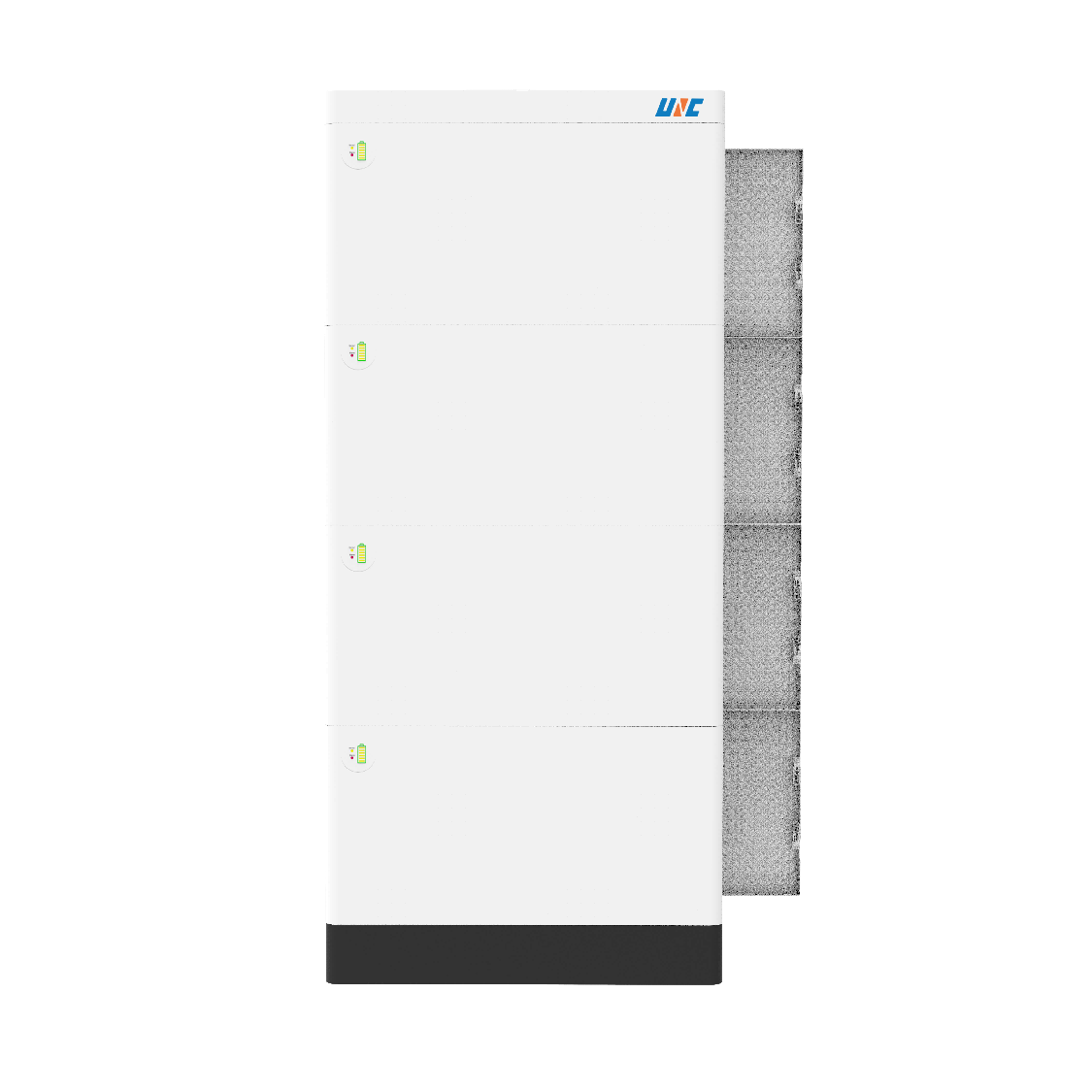
Yes, you can choose between lithium iron phosphate for longer cycle life or nickel manganese cobalt for higher energy density. The enclosure can be wall-mounted, floor-standing, or rack-mounted, and we can match the finish to your garage or utility room so it blends in instead of looking like industrial equipment.
An on-site energy manager tracks your real consumption patterns, local time-of-use rates, and weather forecasts. It learns when you typically run heavy loads and automatically shifts charging to the cheapest or sunniest windows, then discharges during peak rate periods—so you don't have to manually manage settings.
Absolutely. The system can be configured with a dedicated backup circuit or whole-home transfer switch. It typically switches to island mode in under 20 milliseconds, so lights, refrigerators, and medical equipment continue without interruption. You can also set reserve capacity that is only used during outages.
Most owners just check the mobile app for state of charge, power flow, and temperature. The battery runs self-diagnostics and sends alerts if anything drifts outside normal range. There are no liquid electrolytes to top up or terminals to clean; occasional firmware updates and an annual visual inspection are enough.
Yes, the design includes a modular bus and spare communication ports so you can parallel additional battery cabinets later. We size the initial wiring and breaker capacity with future expansion in mind, which avoids costly panel upgrades when your energy needs grow.
After a site survey and energy audit, you'll receive a detailed proposal within about a week. Once you approve, fabrication and delivery typically take two to four weeks depending on custom enclosure work. Installation and commissioning usually add another one to two days.
The battery has layered protection including overcharge, over-discharge, short circuit, thermal runaway, and ground fault detection. The cells are housed in a fire-resistant enclosure with active cooling. The system meets UL 9540 and IEC 62619 requirements, and we provide documentation for your insurance or local permitting office.
Conclusion
A custom residential energy storage battery starts with observing when your household actually draws the most power—not just the nameplate total of your appliances. Instead of forcing a one-size-fits-all pack, the system is sized around those real peaks, so you aren't paying for idle cells during mild months. The chemistry gets matched to your local climate too: if your garage freezes or your utility room bakes, the cells and thermal management are chosen to hold up year-round rather than derating quietly when you need them most. That practical sizing and chemistry choice make the difference between a battery that merely fits the wall and one that genuinely covers your evenings.
Beyond the core pack, the way solar, backup circuits, and daily loads share the same inverter matters more than headline power output. A well-integrated system switches between selling excess, charging from panels, and covering an outage without interrupting your refrigerator or home office. Enclosures can be floor-standing, slim wall units, or split layouts that work with old plaster and narrow staircases, not just new builds. The controls learn when your family is home, when the heat pump ramps, and when laundry runs, then adjust reserve levels accordingly. Finally, the warranty language and support line are written around real homeowner questions—like what happens in year six or after a storm—so you aren't left decoding fine print at the worst moment.
Contact Us
Contact Person: Manager Leng
Email: [email protected]
Tel/WhatsApp: 8613764878967
Website: https://www.unc-energy.com