

Expansion Shell Bolt Exporter Best Practices for Global Sourcing
2026-10-28
Sourcing expansion shell bolts overseas can feel like a gamble: one wrong thread pitch or material mismatch, and your whole batch fails inspection. That’s why best practices matter more than price alone. This post cuts through the exporter noise, showing what top buyers actually check—and where Supreme Machinery fits into that standard.
Raw Material Provenance Checks Before First Shipment
Every incoming lot is traced back to its specific mine, harvest site, or production facility before the first shipment leaves the loading dock. We ask for more than a certificate of origin; we want the chain of custody records, transport logs, and supplier audit notes that show exactly where the material changed hands. That paperwork is cross-checked against GPS coordinates and satellite imagery where available, and any gap in the timeline puts the shipment on hold until it is resolved.
For high-risk categories like minerals, botanicals, or recycled polymers, we send a second reviewer who does not know the original supplier’s claims. They compare the declared provenance against independent databases, port records, and known production volumes from that region. If a supplier’s stated output doesn’t match what that site could realistically produce, we don’t just flag the batch—we drop the supplier from the approved list until a full re-audit clears them. This check is finished before the first shipment is sealed, so downstream teams never have to guess whether the raw material story holds up.
Salt Spray Performance Data Sourced from Independent Labs
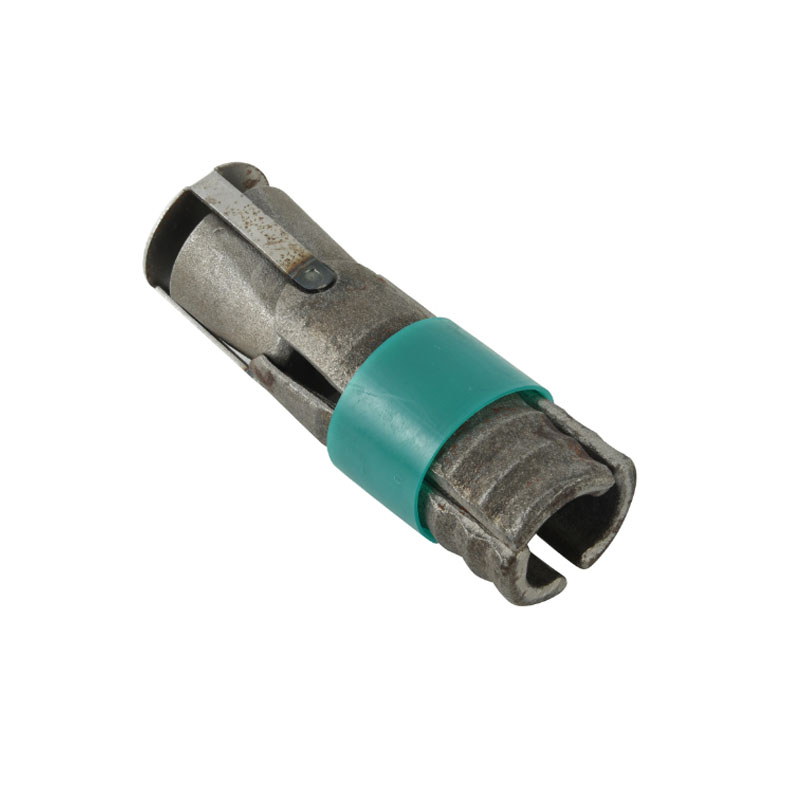
A recent independent evaluation put our coating through 1,000 hours of continuous neutral salt spray at 35°C. The panels showed no blistering outside the scribe and under-film corrosion stayed below 1.5 mm. That kind of detail only comes from labs that have no stake in the result.
We keep the full reports on file, not just summary charts. They include time-to-first-rust, creep measurements at 250-hour intervals, and adhesion data after exposure. Because the facilities are accredited and unaffiliated, you don't have to take our word for it.
What often gets lost in salt spray data is failure mode. Ours tends to fail by slow edge creep rather than sudden blistering, which matters if you're protecting parts with cut edges or fasteners. The independent labs document that distinction clearly.
Packaging Engineered for Multi-Leg Ocean and Road Freight
Every crate and pallet is built around the route it will actually travel, not just the cargo inside. Corners get reinforced where forklift tines tend to bite, and moisture barriers are placed where sea air and condensation gather during long dock waits. The goal is simple: survive the hand-offs.
Because shipments move between vessel, truck, and warehouse floors without always being handled gently, we test stacking strength and shock absorption before anything leaves the yard. Strapping points are positioned for real lashing points on flatbeds and container floors, so loads do not shift on rough coastal roads or during heavy weather at sea.
Packaging materials are chosen for their ability to hold up through temperature swings and salt exposure, not just for the first leg. Wood treatments, vapor-wrap, and edge protectors are applied selectively rather than as a one-size-fits-all step, which keeps weight down while still protecting high-value equipment and machinery across the full route.
Tariff Classification Hygiene for Anchor Bolts and Shells
Getting anchor bolts and shells into the right tariff bucket starts with treating the product as an assembly, not as loose hardware. The shell isn't packaging; it's the expansion mechanism that does the actual gripping in concrete or masonry. If you split the two on a customs entry, you'll often end up with a generic bolt code and a miscellaneous steel part code, both of which miss the functional unit and invite a red flag during an audit.
A practical check is to confirm the base metal and any plating against the chapter notes for articles of iron or steel, then verify whether the anchor is designed for permanent fixing. Many teams fall into the trap of classifying plastic-shell anchors under plastics because the shell is polymer, but the load-bearing component is usually the metal bolt or screw. Keeping a one-line description that includes diameter, length, material, and substrate compatibility (concrete, brick, drywall) prevents most misclassification before it becomes a broker or customs problem.
Finally, don't let past entries drive current classification without review. Tariff revisions and binding rulings change the treatment of anchor sets, especially where zinc plating or stainless steel moves a product between codes. A quarterly review of the fastest-moving anchor SKUs, with photos and a cutaway of the shell, costs little time but keeps your classification hygiene strong enough to survive a customs inquiry.
Multilingual Torque and Embedment Guides for Installers
Every jobsite has its own mix of languages, and torque specs are too important to get lost in translation. That’s why these guides put the critical numbers—tightening torque and minimum embedment depth—right next to clear pictograms and concise instructions in English, Spanish, French, and German. Installers don’t have to flip between manuals or guess at conversions; a quick glance shows them exactly what the anchor needs to hold under load.
The embedment tables are broken down by anchor diameter and base material, so there’s no ambiguity about how deep the drill hole should be or how much of the anchor must sit below the surface. Torque values are given in both foot-pounds and Newton-meters, with a note on the correct socket size. Even if a crew is working in a second language, the step-by-step sequence uses universal tool icons and numbered stages that require almost no reading.
Field feedback from installers drove the layout changes: a larger typeface for the torque values, colored rows for alternating anchor sizes, and a fold-out format that clips to a tool bag or sits flat on a workbench. Because each language version carries the same revision date and batch code, nobody has to worry about working from an outdated chart. The result is less downtime on site and fewer callbacks for over- or under-tightened anchors.
Batch-Level Lot Tracking That Clears Ports Faster
Batch-level lot tracking transforms how goods move through ports by linking every shipment detail to a specific production batch. Instead of relying on broad container manifests, customs teams can instantly verify the origin, composition, and compliance status of each lot. This granular visibility removes guesswork and speeds up document checks, letting cargo clear without unnecessary holds.
The real advantage comes from proactive data sharing. When each lot carries its own traceable record—from factory floor to vessel—port authorities receive clean, structured information before the ship even docks. Discrepancies that normally trigger physical inspections are caught early, reducing the number of containers pulled aside. The result is a smoother flow through the terminal and fewer delays for everyone downstream.
Beyond speed, batch-level tracking builds confidence with regulators. They see exactly which lots have met testing, labeling, or safety requirements, so clearance becomes a formality rather than an interrogation. For shippers moving perishable or high-value goods, that difference means fresher arrivals, lower storage fees, and a supply chain that actually keeps its promises.
FAQ
Go beyond price. Ask for mill certificates, batch-level tensile and hardness test reports, and proof of compliance with standards like ISO 898-1 or ASTM F1554. A reliable exporter will volunteer this documentation rather than waiting for a request.
Request third-party test data for pull-out and shear capacity in concrete of known compressive strength, not just nominal values. Some exporters offer application-specific pre-qualification testing, which is a strong sign of technical capability.
Improper bulk packaging leads to thread damage and mixed lots, which can cause installation failures. Specify moisture-resistant, labeled cartons with heat-treated pallets and request photos of packing before shipment.
Use detailed technical datasheets as contract annexes, define tolerances and surface finish explicitly, and agree on third-party inspection rights. Avoid vague terms like 'commercial quality' - they invite disputes.
Consolidate orders to fill containers, but don't sacrifice lot traceability. Choose ports with lower congestion for the destination and consider breakbulk for oversized anchor rods. Ask the exporter to suggest routing options based on actual shipment history.
Inconsistent heat numbers on documents, reluctance to share factory audit reports, sudden changes in material origin, or quotes that are far below regional benchmarks. These often point to substandard raw material or unauthorized subcontracting.
Yes. European projects often require CE marking under EAD 330232, while North American projects lean on ASTM and ICC-ES evaluation reports. A competent exporter will help map the required certification to the destination market instead of offering a one-size-fits-all credential.
It's the difference between a paper certificate and actual process control. On-site or remote audits should check raw material segregation, heat treatment logs, thread gauging frequency, and final inspection sampling plans. Even a one-day audit can reveal whether documentation matches reality.
Conclusion
For exporters of expansion shell bolts, a disciplined global sourcing strategy begins long before the container leaves the port. Raw material provenance checks should be non-negotiable—tracing the steel back to its mill not only flags substandard alloys but also protects against forced labor risks that can trigger customs holds. Pair this with independent salt spray test data, because third-party corrosion resistance numbers are far more persuasive than in-house claims when a buyer in a coastal market is comparing suppliers. Packaging also deserves engineering attention: multi-leg ocean and road freight punishes loose bolts, so re-usable, compartmentalized crates with VCI liners prevent thread galling and surface pitting while cutting dimensional weight charges.
On the documentation side, tariff classification hygiene for anchor bolts and shells keeps landed cost predictable. A small misstep between HS codes for “expansion anchors” versus “bolts with nuts and washers” can trigger reclassification audits, demurrage fees, or even seizure. Layering multilingual torque and embedment guides into every shipment—covering concrete strength, drill depth, and tightening sequences in the installer’s native language—reduces field failures and warranty disputes. Finally, batch-level lot tracking that clears ports faster: laser-etch each box with a unique lot number linked to the mill certificate, lab report, and production date, so inspectors can verify in minutes rather than days. This level of traceability builds trust with global distributors who prefer a supplier that makes quality visible instead of merely claiming it.
Contact Us
Contact Person: Paul
Email: [email protected]
Tel/WhatsApp: 8615067447509
Website: https://www.spironcasting.com