

Tissue Converting Line Vendor Selection Tips for Long-Term Reliability
2026-10-08
Choosing a tissue converting line vendor can feel like a gamble. You’re not just buying machinery—you’re betting on years of uptime, hidden maintenance costs, and whether the line still holds tolerance at 3 a.m. on a Sunday. The wrong decision doesn’t show up on day one; it shows up in worn embossing rolls, misaligned log saws, and a maintenance team that knows the supplier’s hold music by heart. At DAXIN, we’ve seen what separates vendors who overpromise from those that deliver decade-level reliability. This guide cuts through the sales pitch and focuses on criteria that actually predict long-term performance—so your next converting line becomes an asset, not an ulcer.
Look Beyond the Brochure: Ask for a Live Line Walkthrough
Brochures are polished by people who know exactly which angles flatter the production floor. A live line walkthrough, on the other hand, hands you the unedited version. Ask to stand near the busiest station for ten minutes, not the one by the window with good lighting. Watch how operators react when a batch changeover happens mid-shift—do they pause, improvise, or follow a checklist that actually exists?
When you request the walkthrough, don't settle for a scripted route. Suggest a start time that matches the real rhythm: right after lunch, during the last hour of a Friday shift, or when a known bottleneck is running. Pay attention to whether the person guiding you knows the names of the line leads or has to glance at a badge. That small detail tells you more about daily management than any mission statement printed on glossy paper.
Finally, ask to see the workarounds. Every line has them—the taped-over sensor, the cart that always sticks, the whiteboard that hasn't been updated since last quarter. A factory that hides these during a walkthrough isn't confident in its own problem-solving culture. A factory that points them out and explains what's being done is the one worth your contract.
Service Response Time Matters More Than the Sale Pitch
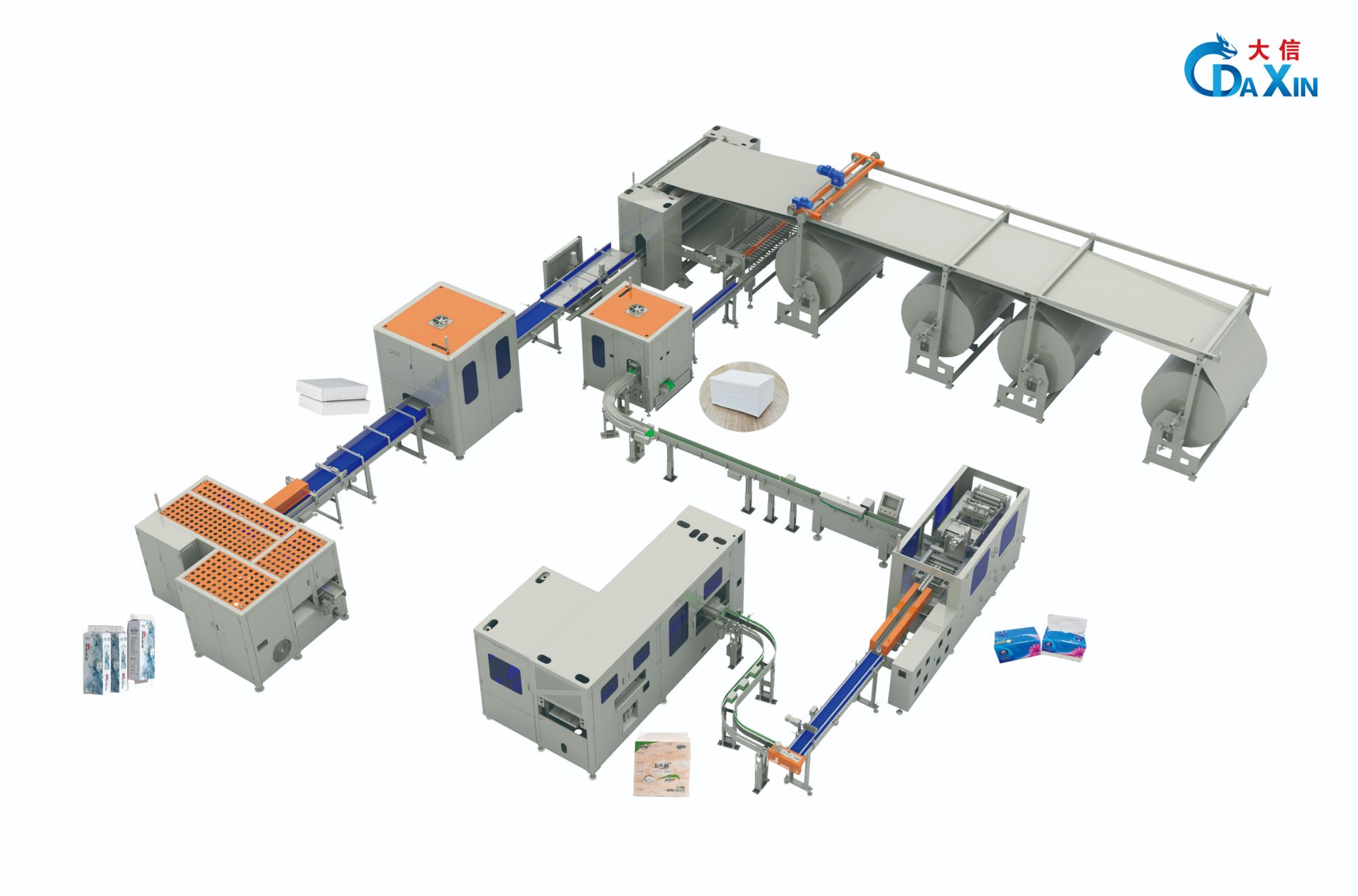
A crisp, well-rehearsed sales pitch might open the door, but it won't keep it from swinging shut. The moment a prospect reaches out with a question, a concern, or even a complaint, the clock starts ticking. How quickly you respond in that vulnerable window often leaves a deeper impression than any bullet point about features or pricing. People remember the silence before the answer more vividly than the eloquence of the presentation itself.
Think about your own buying decisions. When two vendors offer roughly similar value, the one who replies within minutes—not days—earns a quiet trust that no polished deck can replicate. Slow replies don't just test patience; they suggest internal chaos, understaffing, or a lack of genuine care. Fast, thoughtful responses signal that the same urgency will apply after the contract is signed, when real problems surface.
Sales training often obsesses over objection handling and closing techniques, but the most persuasive move is often the simplest: be there before the buyer second-guesses. A timely reply doesn't have to be flawless. It has to be human, specific, and present. That kind of responsiveness transforms a transactional exchange into a relationship, and it's the quiet engine behind more repeat business than any slick pitch ever delivered.
Spare Parts Availability: The Silent Deal-Breaker
Many buyers focus on horsepower, precision, or price when evaluating equipment, but the real test comes later. A machine that sits idle for weeks because a simple seal or sensor isn’t in stock quickly erodes any upfront savings. The frustration isn’t just about downtime—it’s about discovering that the vendor’s “global support” promise doesn’t translate to a local shelf with the part you need.
What makes this issue so insidious is that it rarely shows up in spec sheets or demo videos. You only learn about it after the purchase, when a bearing fails or a valve sticks. Then you’re told the part is on backorder, or worse, that it’s been discontinued. That’s when the real cost of ownership becomes apparent: every day of waiting is lost production, missed deadlines, and mounting pressure from your own customers.
Savvy operators now ask pointed questions before signing anything. They want to see actual inventory levels, not just a promise. They ask about lead times for critical wear items, whether parts are stored regionally, and what happens when a model is phased out. If a supplier hesitates or gives vague answers, that’s a red flag. Because in the end, a machine that can’t be repaired quickly isn’t an asset—it’s a liability waiting to happen.
Customization Without the Custom Price Tag
Most people assume that custom work always comes with a hefty price tag, but that old rule is fading fast. By using modular designs, digital tools, and smart production methods, brands can now offer real personalization at off-the-shelf prices. Instead of paying for a one-off build, you can mix and match preset components, choose finishes, or adjust key features without triggering a full custom fee.
The trick lies in designing flexibility into the product from the start. Whether it’s a furniture line that lets you swap leg styles and fabrics, or a software dashboard where you can drag and drop the modules you actually need, the underlying structure stays the same. Only the final touches change. That keeps labor and tooling costs down, so the personalization feels like a bonus rather than an upsell.
For shoppers, this means you get something that fits your space, workflow, or taste without settling for a generic default. And because the base product is already proven, you aren’t gambling on a fragile one-off. The result is a custom feel at a comfortable price—and that’s a combination worth looking for.
How Many of Their Lines Are Still Running at Full Speed?
A quick scan of the morning schedule shows the Red and Blue lines holding steady at their usual headways, but the Green line is still limping along with single-track operations between 42nd and Bayview. That bottleneck has not budged since the signal failure on Tuesday, forcing riders to add an extra fifteen minutes to their commute even during off-peak hours.
On the bus side, the picture is uneven. The 14 and 22 routes are back to pre-incident frequencies, though drivers report bunching near the downtown transfer hub. Meanwhile, the 9 and 31 remain capped at roughly seventy percent of normal service because of the ongoing overhead wire repairs near the depot. Riders on those corridors have been told to expect standing loads well into next week.
What that means in practice is only about eight of the fourteen core lines are running what you could honestly call full speed. The rest are either on reduced schedules, detoured, or running with enough gaps that the posted timetable no longer matches the platform signs. Until the maintenance crews clear the third-rail damage at the junction, that count is unlikely to change.
The Real Cost of a Vendor's Learning Curve
Most procurement teams fixate on hourly rates or project fees when selecting a vendor, but the learning curve often costs more than the invoice suggests. A new vendor unfamiliar with your systems, compliance requirements, or customer base will spend weeks asking questions your internal team has to answer. Those hours are rarely tracked, yet they pull key people away from revenue-generating work.
The expensive part usually shows up later. A vendor still climbing the learning curve tends to produce work that is almost right, but not quite. Each revision cycle adds days to the timeline and erodes trust. In regulated industries, missteps during this phase can trigger audit findings or customer complaints that take months to resolve, multiplying the original cost several times over.
Savvy buyers treat vendor onboarding as a line item, not an afterthought. They ask for a named ramp-up plan, require direct access to the people doing the work, and check references for similar environments. If a vendor cannot demonstrate relevant experience quickly, the lower sticker price probably hides a much larger bill paid in internal time and delayed outcomes.
FAQ
Look for a vendor that treats your production goals as a shared problem, not just a sale. Ask them to walk you through how their equipment handles grade changes, parent roll splices, and unexpected downtime. Vendors who openly discuss failure modes and have field data from similar mills tend to be the ones you can actually rely on.
Request field performance records from at least three installations running comparable products and speeds. Pay close attention to mean time between failures for the unwind, embossing, and folding units. Also ask about the oldest line still in production and what upgrades it has received—longevity plus a clear upgrade path tells you more than a glossy spec sheet.
The unwind stand, embossing rolls, and folding/cutting sections are where most downtime hides. Verify bearing sizes, frame rigidity, and whether the vendor uses standard industrial components or proprietary parts that lock you in. A heavier frame with off-the-shelf bearings and gearboxes usually ages better than a sleek design with exotic spares.
It depends on your team's comfort with troubleshooting. Advanced automation can reduce waste and improve consistency, but only if your maintenance crew can support it. Ask the vendor for a list of common faults and how a shift supervisor can resolve them without calling support. If the answer is always 'call us,' that's a long-term reliability risk.
Check their spare parts inventory strategy and whether they offer condition monitoring or remote diagnostics without requiring a full service contract. Reliable vendors usually have regional service hubs and can show you average response times for critical failures. Also ask for a reference from a customer who had a major breakdown in year three or later—how the vendor handled that tells you everything.
Very important if you run a wide range of grades or plan to add new products. A vendor that only sells a fixed configuration may force you to over-spec or compromise on performance. Ask them to run a trial or simulation with your actual parent rolls and target weights. Willingness to tune the converting parameters to your raw material is a good sign of long-term partnership.
Upfront price is a poor predictor of long-term reliability. Some lower-cost vendors use heavy-duty standard components and keep the control system simple, which can outlast expensive lines with fragile custom electronics. Focus on total cost of ownership: request energy consumption, wear part costs, and expected lifespan of major assemblies. A line that costs less but consumes more power and needs frequent roll changes may end up far more expensive.
Be wary of vendors who avoid giving you references from older installations, rush you through the technical review, or claim their line never breaks down. Also watch for vague warranty terms and high-pressure discounts tied to signing before seeing a live demo. Reliable vendors are usually transparent about limitations and can explain exactly how they will support you after the commissioning team leaves.
Conclusion
When evaluating tissue converting line vendors, it’s easy to get swept up by polished brochures and confident sales pitches. The real test is seeing the equipment in action—ask for a live line walkthrough and watch how the machinery handles speed changes, jams, and routine stops. Even more telling is how many of their installed lines are still running at full speed today; a vendor with a long list of installations but poor uptime history is a red flag. Service response time often matters more than the initial pitch. If a critical component fails, a vendor who can dispatch a technician within 24 hours will save you far more than one who undercuts on price but leaves you waiting for days. Spare parts availability is another silent deal-breaker: a line that sits idle for weeks because a simple roller or blade isn’t in stock erodes your entire margin.
Customization doesn’t have to come with a custom price tag if you choose a vendor with modular designs and a deep portfolio. Ask how they adapt standard platforms to different tissue grades and sheet counts without engineering from scratch each time. But be equally wary of a vendor who promises bespoke solutions while still climbing their own learning curve. The real cost of that curve—downtime, scrap, trial runs, and constant tweaking—gets passed to you in lost production hours. Long-term reliability comes from a vendor who has already made and fixed the mistakes on someone else’s floor, not yours. Verify their track record with similar tissue grades and machine speeds, and insist on references you can actually call. In the end, the cheapest upfront quote often hides the most expensive learning curve.
Contact Us
Contact Person: Sam Xie
Email: [email protected]
Tel/WhatsApp: 86-18938538530
Website: https://www.daxin321.com/