
Top 10 Cardio Equipment to Transform Your Fitness Routine
2026-09-18
If your fitness routine feels flat, the problem might not be your effort—it’s your equipment. The right cardio gear can turn monotonous workouts into something you actually look forward to. Here are the top 10 cardio machines that genuinely transform your routine, tested and refined with insights from Yingruis.
Rethink the Treadmill: Incline Walks Beat Flat Sprints
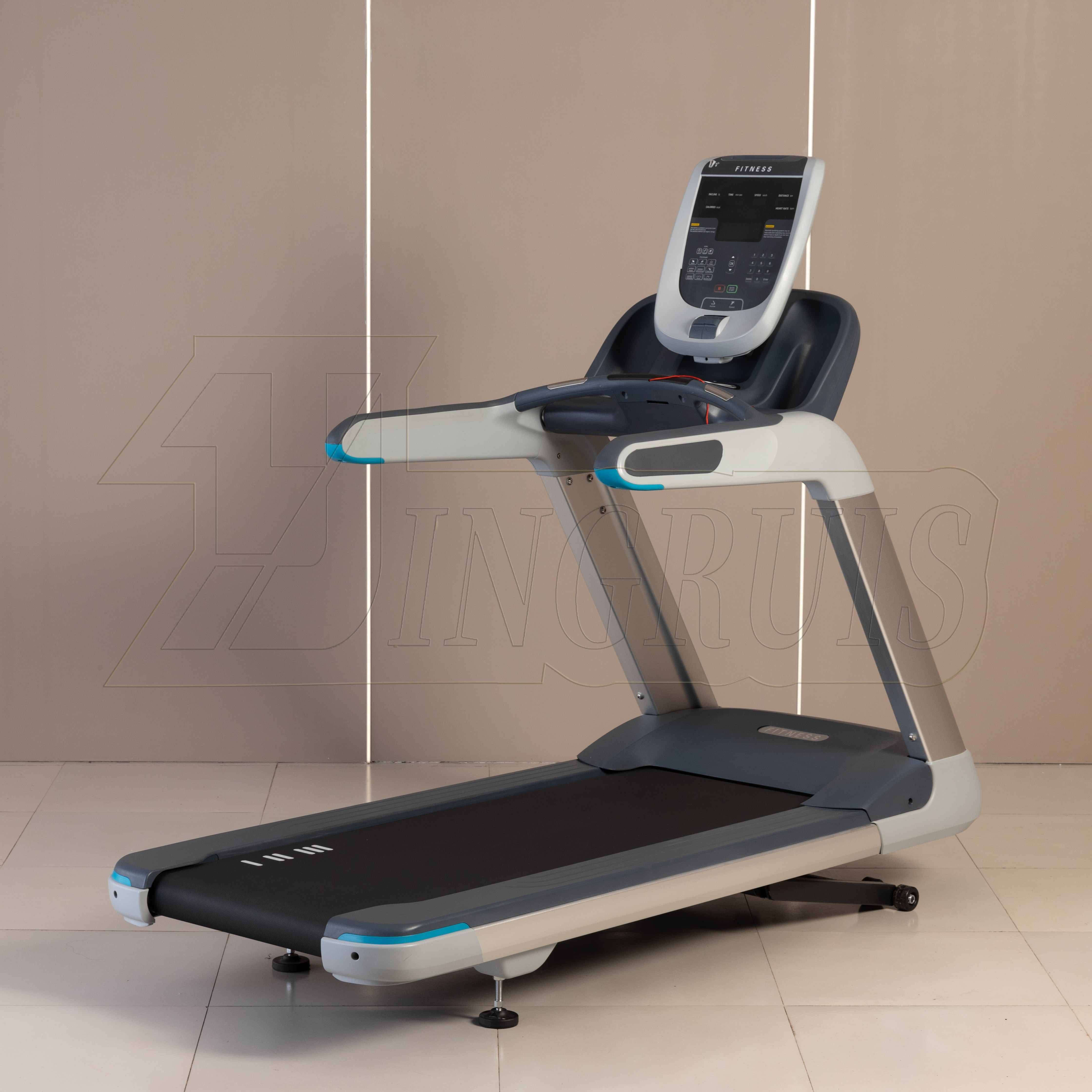
Flat sprints look impressive, but they come with a hidden cost: every footstrike at top speed sends force through knees and shins that most recreational runners aren't prepared to absorb. Raise the incline to 10% and slow down to a brisk walk, and the impact drops sharply while the muscles behind you—glutes, hamstrings, calves—finally get a reason to wake up.
Heart-rate data tells the rest of the story. A 3.5 mph walk at a 12% grade can match the cardiovascular demand of a 6 mph jog on flat ground, but it feels easier and can be sustained longer. That extra time under tension adds up to more total work, which is what actually drives fitness changes, not how fast the belt spins for thirty seconds.
Sprints still have a place if your joints feel good and you're training for speed. But for everyday conditioning, incline walking offers a smarter trade: less soreness, fewer injuries, and a workout you're more likely to repeat tomorrow.
Rowing Machines: Legs, Core, and Arms in One Stroke
The rowing stroke begins with a powerful push from the legs, where the quadriceps and glutes drive the seat backward. This initial phase sets the rhythm, transferring energy through the body as the handle follows the legs, not the other way around. Too many beginners yank with their arms first, but the real force comes from pressing through the heels while keeping the torso braced.
Once the legs are nearly extended, the core takes over as a stable bridge. The lower back and abdominals work together to hinge the torso from a slight forward lean to a controlled recline, around eleven or one o'clock on a clock face. This middle portion of the stroke is where rowers often lose power; if the core goes soft, the chain of movement collapses and the handle speed drops noticeably.
The arms finish the stroke by drawing the handle to just below the rib cage, elbows pointing back, not out. But the arms only contribute a small fraction of the total effort—perhaps twenty percent. The true magic of a rowing machine is that it strings these three segments into one fluid, unbroken motion. When timed correctly, it feels less like three separate actions and more like one long exhale through the legs, trunk, and hands.
Ellipticals: The Underrated Calorie Burner
Ellipticals get a bad rap as the easy option at the gym, but crank up the resistance and incline and you'll be gasping within twenty minutes. Unlike running, there's no pounding on your joints, yet the synchronized push-pull of your arms and legs recruits more muscle groups than a casual jog, torching calories at a rate that rivals a brisk outdoor run.
Part of the reason ellipticals fly under the radar is that they don't leave you drenched and wheezing like a treadmill sprint. Try an interval protocol: thirty seconds of all-out effort with the ramps high, then sixty seconds of active recovery. The afterburn effect keeps your metabolism elevated long after you step off, making it sneakily effective for fat loss.
For anyone with cranky knees or a tight lower back, the elliptical is one of the few machines that lets you push into high-intensity cardio without paying for it the next morning. Focus on explosive leg drive and a strong arm pull, and you'll soak your shirt while your joints stay blissfully quiet.
Spin Bikes: Short Intervals, Long Results
If you think a spin bike workout needs to last an hour to count, it's time to recalibrate. Short, sharp intervals often beat long, steady rides when it comes to building real cardiovascular fitness and leg power. A session of 20- to 40-second all-out efforts, separated by easy spinning recovery, forces your muscles to adapt quickly. Within a few weeks, you notice that climbs feel less taxing and your resting heart rate drops a bit even though total saddle time stays low.
The magic happens after you dismount. Those brief but brutal bursts deplete fast-twitch muscle fibers and trigger a metabolic afterburn that keeps your body burning calories long after the workout ends. On top of that, rapid changes between hard efforts and recovery improve how efficiently your heart pumps blood. You get the same endurance-building benefits of a long ride, but without the joint fatigue or the mental drain of staring at a screen for 90 minutes.
Try this simple structure: warm up for 8 minutes with easy pedaling, then alternate 30 seconds of near-maximum effort with 90 seconds of gentle spinning. Repeat that 6 to 8 times, cool down for 5 minutes, and you are done in under 35 minutes. Do this two or three times a week, and the results will show up faster than you expect.
Stair Climbers: The Glute Burn You Didn't Know You Needed
Most people hop on a stair climber thinking it's just another cardio slog. Then, somewhere around minute eight, your glutes start sending signals you can't ignore. That deep, localized burn isn't an accident—it's the machine forcing your hips into constant extension against resistance, something flat treadmill strides rarely demand. If you've ever left a session walking like you just finished a heavy deadlift day, you already know the secret.
The real magic happens when you stop leaning on the handrails. Pressing your weight through your heels and keeping your chest tall shifts the work straight into the glute max and medius. Slow the pace, take single steps, and you'll feel each contraction without needing to touch a barbell. It's low-impact, joint-friendly, and quietly brutal in a way that elliptical sessions never are.
For best results, treat it like strength work, not mindless cardio. Try intervals: two minutes of slow, deliberate steps with full hip extension, then one minute at a faster clip. Your lower body will adapt fast, but that next-day soreness in places you forgot you had will remind you why stair climbers deserve more respect.
Jump Ropes: Old-School Cardio That Still Delivers
Swinging a rope at high speed while your feet tap out a rhythm sounds almost too simple to matter. Yet that cheap piece of cord with plastic handles burns more calories per minute than jogging, rowing, or most gym machines you'll wait in line for. The trick is that jumping forces your whole body to stay rigid while your calves, shoulders, and forearms fire nonstop just to keep the rope moving. Miss once and you have to start again, which quietly pushes your coordination and reaction time in a way steady-state cardio never will.
What keeps people away is usually the first week of slapping their own shins. Get past that, and a jump rope becomes the most portable gym you own. You can throw it in a backpack, use it in a hotel hallway, or take it to a park and skip between bench sets. The rope doesn't care if it's raining, if the gym is closed, or if you only have ten minutes before a meeting. That kind of convenience means you actually do the workout instead of planning to do it.
To make it stick without burning out, alternate thirty seconds of easy bouncing with thirty seconds of faster, higher-knee work. Keep your elbows pinned near your ribs and spin from the wrists, not the whole arm. Within two weeks you'll notice your ankles feel springier, your breathing settles quicker after stairs, and that old-school rhythm starts to feel like a skill you own instead of a punishment from gym class.
FAQ
A rowing machine is hard to beat. It recruits your legs, core, and back at once while keeping impact low, so you can push hard without the pounding you'd get from running.
A jump rope. It's cheap, takes up almost no space, and ten minutes of intervals can rival a longer session on a treadmill. Add a folding exercise mat and you're set.
Think about what you'll actually use weekly. Love running but want joint relief? Go treadmill with good cushioning. Prefer a low-impact glide? Elliptical. Need something quiet for late-night workouts or knee rehab? Stationary bike wins.
It can if it removes your biggest excuses. A bike at home means no commute, no weather delays, and no waiting for machines. The transformation comes from making consistent movement frictionless, not from magic features.
Start with a recumbent bike or an elliptical with adjustable resistance. Both feel stable and let you work at low intensity. Aim for 15 minutes three times a week, then slowly add time before chasing speed.
Stop doing steady-state only. Alternate two-minute harder pushes with one-minute recovery, stream a show you only watch while working out, or use a fan bike for short, spicy intervals that end before monotony sets in.
The basic sequence is simple—legs, lean, pull, then reverse—but most people rush it. Spend a few sessions at low resistance focusing on timing over power. Your lower back will thank you, and the technique clicks faster than you'd expect.
A rower for full-body strength-endurance, an air bike for brutal short intervals, and a treadmill for walking or running. That trio covers steady state, high intensity, and recovery without much overlap.
Conclusion
What actually transforms a cardio routine isn't buying the newest gadget—it's rethinking how you use the equipment already around you. Treadmills, for instance, reward a steep incline walk far more than flat sprints: the burn is sneaky, the joint stress is lower, and you can still push your heart rate hard. Rowing machines demand legs, core, and arms in one fluid stroke, making them perfect for short sessions that leave no muscle group untouched. Ellipticals rarely get the respect they deserve, yet adding resistance and letting go of the handles turns a casual glide into a serious calorie burn. Spin bikes shine with short intervals—thirty seconds all-out followed by easy recovery spins can build fitness faster than an hour of steady pedaling.
Stair climbers deliver the glute burn most people avoid, which is exactly why they work so well when you stick with them. Jump ropes, often dismissed as a schoolyard toy, remain one of the toughest portable conditioning tools you can own. Rather than defaulting to the same machine every session, rotate these tools across your week. Pair an incline walk with a quick stair climber blast, then finish with a jump rope ladder. That kind of rotation keeps your body adapting, fights boredom, and makes your cardio block feel less like a chore and more like a reset.
Contact Us
Contact Person: Owen Wu
Email: [email protected]
Tel/WhatsApp: 86-15376736259
Website: https://www.yingruisfit.com/