
How Can a Stand-up Walker Improve Mobility, Independence, and Rehabilitation Outcomes?
2026-06-11
For individuals facing mobility challenges due to aging, injury recovery, neurological conditions, or physical disabilities, maintaining independence can be one of the greatest concerns. Traditional mobility aids often provide basic support but may not adequately promote upright posture, active movement, and long-term rehabilitation. This is where a Stand-up Walker becomes an important solution.
Designed to help users maintain a natural standing position while moving safely, stand-up walkers support mobility, confidence, and physical recovery. They are increasingly used in hospitals, rehabilitation centers, nursing facilities, and home-care environments. Modern designs also offer customized configurations to meet unique patient requirements, including specialized ship-type customization solutions for challenging environments and specific application scenarios.
Article Summary
This article explores how stand-up walkers work, who can benefit from them, their key advantages, essential features to consider, and why customized solutions are becoming increasingly important in rehabilitation and mobility support. You'll also learn how Yuteng Medical Technology helps healthcare providers and users achieve safer, more effective mobility outcomes.
Table of Contents
- What Is a Stand-up Walker?
- Benefits of Using a Stand-up Walker
- Who Can Benefit from a Stand-up Walker?
- Stand-up Walker vs Traditional Walker
- Important Features to Consider
- Why Customization Matters
- Common Application Scenarios
- How to Choose the Right Stand-up Walker
- Frequently Asked Questions
- Conclusion
What Is a Stand-up Walker?
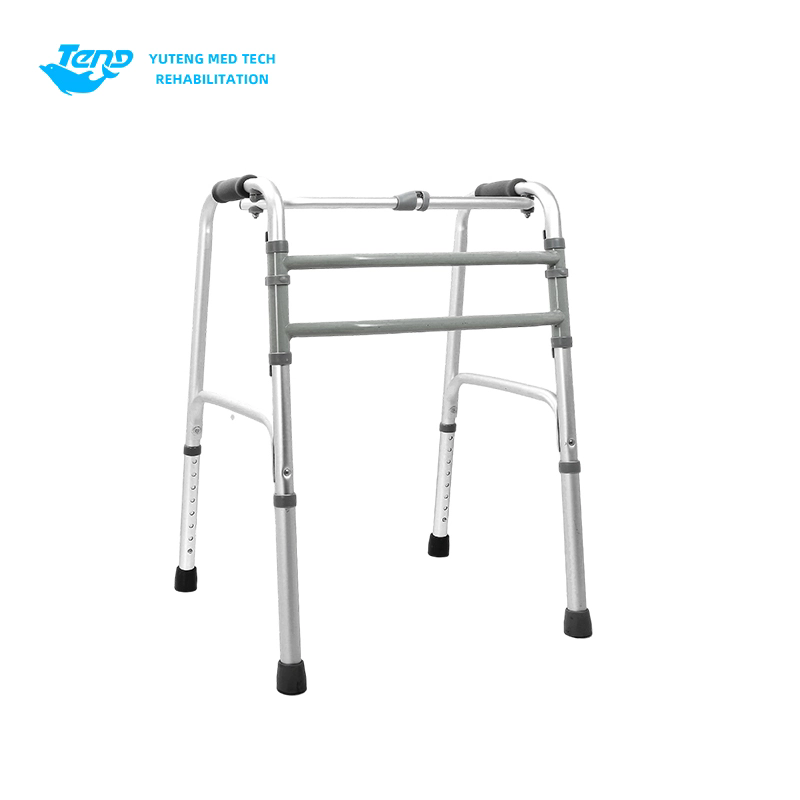
A stand-up walker is an advanced mobility aid designed to help users maintain an upright standing posture while walking. Unlike conventional walkers that often encourage users to lean forward, stand-up walkers provide forearm support, body stabilization, and ergonomic positioning that promote healthier movement patterns.
The design typically includes adjustable arm supports, comfortable hand grips, durable frames, locking wheels, and posture-support components. These features work together to improve user stability while reducing strain on the back, shoulders, and lower limbs.
In rehabilitation settings, stand-up walkers are frequently recommended because they encourage active participation in movement while maintaining a safer walking experience.
Benefits of Using a Stand-up Walker
Mobility limitations affect not only physical movement but also emotional well-being and overall quality of life. A stand-up walker addresses several common challenges simultaneously.
| Benefit | Description |
|---|---|
| Improved Posture | Encourages upright positioning and reduces forward bending. |
| Enhanced Stability | Provides multiple support points for safer movement. |
| Greater Independence | Allows users to perform daily activities with less assistance. |
| Rehabilitation Support | Facilitates gait training and physical recovery. |
| Reduced Fatigue | Distributes body weight more effectively. |
| Increased Confidence | Helps users move with greater security and comfort. |
These advantages make stand-up walkers a preferred choice for both short-term rehabilitation and long-term mobility assistance.
Who Can Benefit from a Stand-up Walker?
Stand-up walkers are suitable for a wide range of users, including:
- Older adults experiencing reduced balance and mobility.
- Patients recovering from orthopedic surgery.
- Stroke survivors undergoing rehabilitation.
- Individuals with Parkinson’s disease.
- People with multiple sclerosis.
- Users with muscle weakness or reduced lower-limb strength.
- Long-term care residents requiring assisted mobility.
By supporting natural standing movement, these devices help users remain more active and engaged in daily life.
Stand-up Walker vs Traditional Walker
| Feature | Traditional Walker | Stand-up Walker |
|---|---|---|
| Posture Support | Limited | Excellent |
| Forearm Support | No | Yes |
| Rehabilitation Assistance | Basic | Advanced |
| User Comfort | Moderate | High |
| Mobility Efficiency | Standard | Enhanced |
| Customization Options | Limited | Extensive |
While traditional walkers remain useful for basic support, stand-up walkers provide a more comprehensive solution for users requiring posture correction, rehabilitation assistance, and long-term mobility enhancement.
Important Features to Consider
Selecting the right stand-up walker requires careful evaluation of several critical features.
- Adjustable Height Settings for personalized ergonomic positioning.
- Forearm Support Pads that improve comfort during extended use.
- Durable Frame Construction for long-term reliability.
- Smooth-Rolling Wheels that enhance maneuverability.
- Brake Systems for improved safety and control.
- Compact Design for easier storage and transportation.
- Weight Capacity Options to accommodate different users.
These features significantly impact user comfort, safety, and rehabilitation effectiveness.
Why Customization Matters
Not all users have the same mobility requirements. Standard models may not fully address unique rehabilitation goals, physical conditions, or environmental challenges. Therefore, customization has become increasingly important in modern mobility solutions.
Yuteng Medical Technology understands that personalized mobility support can dramatically improve user outcomes. The company offers flexible customization options that help healthcare providers, distributors, and institutions meet diverse patient needs.
One particularly valuable advantage is the ability to support ship-type customization. This capability allows stand-up walkers to be adapted for specialized operational environments, facility requirements, and project specifications. Such flexibility is highly beneficial for organizations seeking tailored mobility solutions rather than one-size-fits-all products.
Customized configurations may include:
- Specialized frame dimensions.
- Customized support systems.
- Enhanced stability structures.
- Institution-specific design modifications.
- Special mobility environment adaptations.
- Ship-type customized solutions.
Common Application Scenarios
Stand-up walkers are widely utilized across multiple healthcare and care-support settings.
| Application Area | Primary Purpose |
|---|---|
| Hospitals | Post-surgical mobility recovery. |
| Rehabilitation Centers | Gait training and physical therapy. |
| Nursing Homes | Daily mobility assistance. |
| Home Care | Independent movement support. |
| Long-Term Care Facilities | Ongoing mobility management. |
| Specialized Projects | Customized mobility applications. |
Their versatility makes them suitable for both individual users and institutional healthcare programs.
How to Choose the Right Stand-up Walker
When evaluating available options, buyers should consider the following factors:
- Assess the user's mobility condition and rehabilitation goals.
- Determine required weight capacity and support level.
- Evaluate adjustability and ergonomic features.
- Review safety mechanisms and braking systems.
- Consider long-term durability requirements.
- Identify whether customization is necessary.
- Select a manufacturer with proven production capabilities and quality standards.
Working with an experienced manufacturer ensures access to professional guidance, dependable product quality, and tailored solutions when unique requirements arise.
Frequently Asked Questions
Q1: What is the primary purpose of a stand-up walker?
A stand-up walker helps users maintain an upright posture while walking, improving stability, comfort, and mobility.
Q2: Is a stand-up walker suitable for rehabilitation programs?
Yes. It is commonly used in rehabilitation settings to support gait training, balance improvement, and physical recovery.
Q3: Can elderly users benefit from a stand-up walker?
Absolutely. Many seniors experience improved confidence, independence, and safety when using a stand-up walker.
Q4: Are customization options available?
Yes. Yuteng Medical Technology provides various customization solutions, including specialized ship-type customization to meet project-specific requirements.
Q5: How does a stand-up walker differ from a regular walker?
A stand-up walker offers enhanced posture support, forearm assistance, and rehabilitation-focused features that traditional walkers generally do not provide.
Conclusion
A stand-up walker is far more than a simple mobility aid. It is a practical tool that helps users maintain proper posture, improve mobility, enhance rehabilitation outcomes, and regain confidence in daily activities. Whether used in hospitals, rehabilitation centers, nursing homes, or home-care environments, these devices provide valuable support for individuals seeking greater independence.
As mobility needs become increasingly diverse, customization is playing a larger role in delivering effective solutions. With extensive manufacturing experience, advanced production capabilities, and strong support for ship-type customization, Yuteng Medical Technology continues to provide reliable stand-up walker solutions tailored to a wide range of applications and user requirements.
Looking for a dependable stand-up walker supplier or a customized mobility solution for your project? Yuteng Medical Technology is ready to help. Whether you need standard products, OEM manufacturing, or specialized ship-type customized designs, our professional team can provide the right solution for your requirements. Contact us today to discuss your project and discover how we can support your mobility equipment needs with reliable quality and customized service.