

How Can STGG Transport Medium Help Labs Protect Respiratory Samples from Collection to Testing?
2026-05-19
When I work with laboratories, diagnostic distributors, and public health buyers, I often notice that sample transport is treated as a small step until a delayed shipment, unstable temperature, or weak culture result turns it into a costly problem. That is why I pay close attention to practical products from manufacturers such as Jinan Babio Biotechnology Co., Ltd., especially when the discussion turns to STGG Transport Medium for respiratory pathogen preservation, cold chain sample handling, and reliable downstream testing.
In real laboratory work, the quality of a specimen does not begin at the analyzer. It begins at the collection site. If the sample loses viability before it reaches the lab, even the best testing platform may struggle to provide dependable results. For clinical research teams, surveillance programs, hospital labs, and microbiology facilities, this creates a very direct pain point. They need a transport medium that supports bacterial viability, fits routine workflows, and reduces uncertainty during storage and transit.
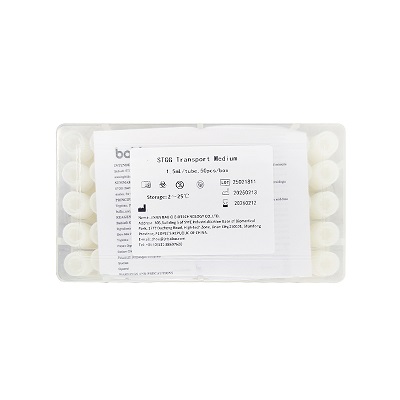
That is exactly where STGG Transport Medium becomes valuable. It is designed for the preservation and transport of respiratory specimens, particularly when samples may be used for culture-based testing, molecular analysis, genomic research, or pathogen monitoring. Instead of focusing only on convenience, I see its main value in helping labs protect sample integrity through the entire pre-analytical process.
Why Does Sample Transport Often Become the Weakest Link in Respiratory Testing?
Many buyers compare test kits, instruments, and laboratory systems very carefully, but transport media can sometimes be chosen too quickly. In my opinion, that is risky. A respiratory sample may travel through several handling stages before it reaches the final testing bench. It may be collected in a clinic, packed by field staff, stored temporarily, moved through a cold chain route, and then processed hours or days later.
During this journey, several issues can affect the usefulness of the sample.
- Temperature changes may reduce organism viability.
- Improper medium selection may affect culture recovery.
- Delayed processing may lead to lower testing confidence.
- Contamination risk may increase if tubes are not properly prepared.
- Workflow complexity may slow down collection teams in the field.
For respiratory pathogen surveillance, these problems are not minor. A weak specimen can influence culture results, PCR interpretation, sequencing quality, and overall data confidence. This is why I prefer to look at transport media not as a consumable, but as part of the diagnostic reliability chain.
What Makes STGG Transport Medium Useful for Respiratory Pathogen Preservation?
STGG Transport Medium is commonly valued because it supports the preservation of bacteria in respiratory specimens. The formulation is associated with the transport and storage of organisms such as Streptococcus pneumoniae, Haemophilus influenzae, and Neisseria meningitidis, which are important targets in respiratory disease monitoring and public health programs.
From a buyer’s point of view, the product advantage is not only about what the medium contains. It is also about what it helps the user avoid. A reliable medium can help reduce sample degradation, support more consistent recovery, and make the testing workflow less vulnerable to transport conditions.
I also like the practical fit of ready-to-use sterile tubes. In real collection environments, staff do not want complicated preparation steps. They need something that can be handled cleanly, labeled correctly, transported safely, and processed with confidence when it reaches the laboratory.
| Laboratory concern | How STGG Transport Medium helps | Why it matters for buyers |
|---|---|---|
| Loss of bacterial viability | Helps maintain target organisms during transport and storage | Supports more dependable culture and analysis outcomes |
| Cold chain pressure | Fits cold chain sample management needs | Useful for field collection, surveillance, and centralized testing |
| Workflow delays | Allows samples to be preserved before final processing | Reduces pressure on same-day laboratory handling |
| Compatibility concerns | Can support culture-based and molecular testing workflows | Helps one sample pathway serve multiple testing purposes |
| Collection site complexity | Ready-to-use sterile packaging improves handling convenience | Supports field teams, clinics, and public health projects |
How Does STGG Transport Medium Support Cold Chain Sample Management?
Cold chain management is not only about keeping a box cold. It is about protecting the sample from collection to analysis. In respiratory pathogen work, especially when surveillance programs involve many collection points, transport reliability becomes a serious operational requirement.
STGG Transport Medium is suitable for situations where samples need to be held or transported under controlled low-temperature conditions. This makes it useful for laboratories that handle respiratory specimens collected outside the main testing facility. In my experience, this matters most when buyers need consistency across different sites, different staff members, and different shipping schedules.
A strong sample transport plan usually includes several controls.
- Clear collection instructions for field staff
- Correct labeling and documentation
- Appropriate storage temperature after collection
- Leak-resistant and sterile sample containers
- Defined transport timing and receiving procedures
- Compatibility with the intended downstream test method
The medium alone cannot replace good handling practice, of course. No serious laboratory buyer would expect that. But the right medium gives the entire process a stronger foundation. It helps the collected specimen remain useful when handling conditions are not perfect, and that is a practical advantage buyers care about.
Which Testing Workflows Can Benefit from STGG Transport Medium?
One reason I consider STGG Transport Medium a strong option is its relevance across different laboratory goals. Some labs need viable organisms for culture. Others may focus on PCR, genomic analysis, epidemiological investigation, or long-term sample storage. A transport medium that fits multiple downstream needs can simplify procurement and reduce product confusion.
For buyers, this flexibility has real value. It allows hospitals, diagnostic laboratories, research institutions, and public health teams to standardize sample collection more easily. Instead of building separate pathways for every project, they can choose a practical medium that supports common respiratory pathogen workflows.
| Application scenario | Typical user | Product value |
|---|---|---|
| Respiratory pathogen surveillance | Public health institutions | Helps preserve samples collected from multiple sites |
| Culture-based microbiology | Hospital and clinical laboratories | Supports organism viability before laboratory processing |
| Molecular testing | Diagnostic and research labs | Helps protect sample quality for PCR-related workflows |
| Genomic research | Research centers and surveillance programs | Supports sample preservation for further analysis |
| Cold chain sample storage | Central laboratories and distributors | Improves confidence during controlled storage and transport |
Why Should Buyers Care About Ready-to-Use Packaging?
Ready-to-use design may sound simple, but in real laboratory procurement, it can make a noticeable difference. When collection staff are working in clinics, field stations, or temporary sampling locations, every extra preparation step can increase variation. Variation is the enemy of reliable testing.
With a ready-to-use sterile tube format, STGG Transport Medium can help make collection more consistent. Staff can focus on proper sampling, sealing, labeling, and cold chain handling instead of preparing transport media on-site. This is especially useful for large-scale surveillance work, where many samples must be collected under the same standard.
I would pay attention to these practical purchasing benefits.
- It reduces preparation time before sample collection.
- It helps standardize handling across different collection sites.
- It lowers the chance of preparation-related contamination.
- It supports cleaner inventory management for labs and distributors.
- It improves user confidence when teams handle many samples daily.
For distributors, this also matters from a sales perspective. A product that is easy to explain, easy to store, and easy for end users to adopt is usually easier to introduce into hospital and laboratory channels.
How Can STGG Transport Medium Reduce the Risk of Unreliable Results?
Unreliable results are rarely caused by one single issue. In many cases, they come from small weaknesses across the workflow. A sample may be collected well, but stored poorly. It may be stored correctly, but transported too slowly. It may arrive at the laboratory, but the target organism may already be weakened.
This is why I see transport media as a risk-control product. STGG Transport Medium helps reduce uncertainty by supporting the sample before testing begins. It gives laboratories a better chance of receiving specimens that are still suitable for their intended use.
For procurement managers, this can translate into several operational advantages.
- Fewer concerns about sample deterioration during transfer
- Better support for centralized laboratory testing models
- More stable respiratory sample handling across collection sites
- Improved confidence in culture and molecular testing preparation
- Lower risk of wasting labor, reagents, and testing capacity on poor samples
In other words, the product advantage is not only scientific. It is also economic. Every failed or questionable sample costs time, labor, consumables, and sometimes patient or public health confidence. A dependable medium helps protect more than the specimen. It helps protect the whole workflow.
What Should I Check Before Choosing a Supplier for STGG Transport Medium?
When I evaluate a supplier for STGG Transport Medium, I do not look only at the product name. I look at whether the manufacturer understands diagnostic workflows, microbial sample preservation, packaging safety, and international buyer expectations. A product used in respiratory pathogen handling must be supported by consistent manufacturing and practical service.
Here is the checklist I would use before placing an order.
| Selection point | What I would ask | Why it matters |
|---|---|---|
| Product suitability | Is the medium intended for respiratory pathogen sample preservation? | Ensures the product matches the testing scenario |
| Sterile packaging | Are the tubes supplied ready to use and properly sealed? | Supports safe handling and reduces preparation burden |
| Cold chain use | Can the product fit controlled temperature transport and storage workflows? | Important for surveillance and centralized testing |
| Testing compatibility | Can the sample be used for culture and molecular workflows? | Improves flexibility for different laboratories |
| Manufacturer support | Can the supplier provide clear product information and order support? | Helps buyers reduce procurement uncertainty |
This is where Jinan Babio Biotechnology Co., Ltd. can be positioned clearly. The company works in the in vitro diagnostic and microbiological product field, and its transport medium solutions are relevant for laboratories, hospitals, research teams, and distributors that need dependable sample handling products.
Why Is STGG Transport Medium a Practical Choice for Global Laboratory Buyers?
Global buyers usually want three things from a transport medium. They want scientific reliability, practical handling, and stable supply. If a product performs well but is hard to use, it creates workflow resistance. If it is easy to use but not suitable for the target sample type, it creates testing risk. If the supplier cannot support international procurement, it creates business friction.
STGG Transport Medium fits the needs of buyers who care about respiratory sample viability, cold chain compatibility, and downstream testing confidence. It is especially relevant for organizations involved in pathogen monitoring, clinical microbiology, epidemiological research, and public health sample management.
For me, its biggest advantage is that it addresses a real pain point. It does not try to impress buyers with vague promises. It serves a practical purpose in a sensitive workflow. It helps collected specimens stay useful until the laboratory can do its work.
How Can I Use STGG Transport Medium More Effectively in Daily Lab Work?
Even a well-designed medium needs correct handling. I would recommend that laboratories build simple, repeatable procedures around collection and transport. This makes staff training easier and helps reduce differences between operators.
- Collect specimens using standard aseptic methods.
- Place the specimen into the transport medium as soon as possible.
- Close the tube firmly to reduce leakage risk.
- Label each sample with clear collection details.
- Store and transport samples under the required temperature conditions.
- Process samples according to the laboratory’s validated workflow.
These steps may look basic, but they protect the value of the sample. In respiratory testing, the best results often come from disciplined routines rather than complicated procedures. A reliable product and a clean workflow should work together.
Is STGG Transport Medium the Right Fit for Your Respiratory Sample Workflow?
If your team handles respiratory specimens, pathogen surveillance samples, culture-based microbiology, PCR-related testing, or cold chain sample transport, STGG Transport Medium deserves serious consideration. It helps address the practical problems that occur before testing begins, including sample viability, transport delay, storage control, and workflow consistency.
I would especially recommend it for buyers who need a transport medium that can support professional laboratory use while remaining practical for collection sites and field teams. For distributors, it is also a product with clear market logic because the demand for reliable respiratory sample transport continues to be closely tied to clinical testing, public health programs, and research activities.
If you are comparing transport media for respiratory pathogen preservation or planning a purchase for laboratory, hospital, research, or public health use, now is a good time to discuss your sample type, storage conditions, order quantity, and application needs. To learn more about STGG Transport Medium from Jinan Babio Biotechnology Co., Ltd., please leave an inquiry or contact us today for product details, quotation support, and cooperation options.