

How Can STGG Transport Medium Improve Sample Stability During Transport?
2026-04-08
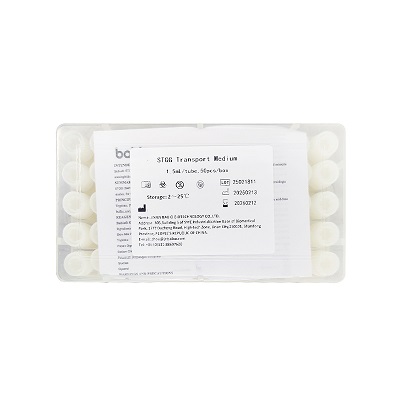
In respiratory specimen management, I have learned that sample quality can decline long before testing even begins. Collection may be done correctly, packaging may look compliant, and transport may appear routine, yet the sample can still lose value if the preservation environment is not strong enough. That is where Jinan Babio Biotechnology Co., Ltd. gradually enters the conversation in a very practical way. When I look at products that support real laboratory workflows rather than just product descriptions on paper, STGG Transport Medium stands out as a useful solution for protecting pathogen viability during cold-chain transport and temporary storage.
I do not see transport medium as a minor accessory. I see it as one of the most important links between collection and analysis. If the medium is poorly chosen, it can increase the risk of specimen degradation, retesting, delayed reporting, and wasted resources. If it is chosen well, it can help preserve sample integrity and support more dependable downstream results. That is exactly why many buyers, laboratories, and distributors pay close attention to STGG Transport Medium when planning respiratory sample workflows.
How Is This Article Structured?
- What makes specimen transport more difficult than it looks?
- How does STGG Transport Medium address these transport problems?
- Which product advantages matter most to professional buyers?
- What should I compare before choosing a transport medium?
- Who is most likely to benefit from this product?
- Where should I go if I want to source this product?
What Makes Specimen Transport More Difficult Than It Looks?
In real-world laboratory logistics, the sample journey is rarely as simple as it sounds. A specimen often moves through several stages before testing begins, and each stage adds risk. It may be collected at one site, stored for a period, transferred through a cold-chain environment, and then processed at a separate laboratory. During this process, stability matters. If the transport medium does not properly support preservation, the sample may no longer reflect its original condition by the time it is analyzed.
I often see buyers focus heavily on collection swabs, packaging materials, or shipping methods, while the transport medium itself receives less attention than it deserves. That can be a costly mistake. Even if every other step is handled well, an unsuitable medium can undermine the quality of the entire sample management process. This is one reason STGG Transport Medium has become such an important option in professional procurement discussions.
The most common challenges I associate with specimen transport include:
- Loss of pathogen viability during storage or transportation
- Reduced confidence in downstream laboratory analysis
- Greater likelihood of recollection or repeated handling
- Higher operating costs caused by avoidable sample failure
- Workflow disruption for laboratories receiving samples from multiple collection points
These are not theoretical issues. They affect turnaround time, resource planning, and the credibility of the final test result. That is why transport media should be evaluated based on workflow performance rather than basic availability alone.
How Does STGG Transport Medium Address These Transport Problems?
What I appreciate about STGG Transport Medium is that it speaks to a real practical need. Its value is not simply that it holds a specimen. Its value is that it helps create a more stable environment for sample preservation during transport and low-temperature handling. For respiratory specimens, especially when bacterial viability matters, that function becomes essential rather than optional.
When I assess whether a transport medium is useful, I ask a simple question: does it improve the probability that the receiving laboratory will still have a workable sample? In the case of STGG Transport Medium, the answer is closely connected to how it supports cold-chain sample management and preservation continuity from collection to analysis.
I see several practical ways this kind of product supports day-to-day work:
- It helps preserve specimen quality during transportation
- It supports cold-chain handling requirements more effectively
- It suits laboratory environments where stable samples are essential
- It reduces the risk that transport conditions will compromise usability
- It offers stronger value for institutions managing distributed sample collection
For me, that makes STGG Transport Medium less of a simple consumable and more of a preventive tool. It protects the value of the specimen before testing even starts.
Which Product Advantages Matter Most To Professional Buyers?
When I look at this category from a buyer’s perspective, I do not focus on broad claims. I focus on operational value. A useful transport medium should make laboratory coordination easier, not more complicated. It should work within existing sample workflows and help reduce avoidable instability.
The product advantages that matter most to me usually include the following:
- Reliable support for pathogen viability during transport
- Practical alignment with refrigerated or low-temperature logistics
- Better support for downstream laboratory procedures
- Reduced sample loss risk in longer or more complex supply chains
- Stronger purchasing confidence for repeat-use environments
Those advantages become more meaningful when a laboratory or medical supplier handles a high sample volume. A small issue repeated hundreds or thousands of times becomes a major operational problem. That is why STGG Transport Medium can create value beyond the unit itself. It can help reduce instability at scale.
What Should I Compare Before Choosing A Transport Medium?
I believe buyers should compare transport media based on the full workflow, not just on price or description. A lower-cost option may appear attractive at first, but if it increases the chance of specimen failure, it may create higher total cost over time.
| Evaluation Point | Why It Matters | What I Look For |
| Specimen preservation | The sample must remain useful during transport | Stable support for viability and integrity |
| Cold-chain compatibility | Many workflows depend on low-temperature handling | Suitability for refrigerated transport and temporary storage |
| Laboratory applicability | The medium should fit real testing workflows | Practical use in culture or molecular analysis settings |
| Supply consistency | Repeat procurement requires dependable quality | Stable production and reliable supplier support |
| Commercial flexibility | Buyers may need private labeling or bulk support | Responsive service and workable cooperation terms |
Once I compare products this way, STGG Transport Medium becomes easier to evaluate fairly. Instead of asking whether it is just another transport medium, I ask whether it helps protect the value of every collected sample that passes through the system.
Who Is Most Likely To Benefit From This Product?
In my view, this product is especially useful for organizations that depend on reliable respiratory specimen management across multiple handling stages. That includes institutions where the cost of sample inconsistency is much higher than the cost of choosing a better transport solution from the start.
- Clinical laboratories receiving specimens from external collection sites
- Diagnostic centers focused on stable sample processing
- Research organizations handling bacterial respiratory specimens
- Medical distributors supplying sample collection and transport materials
- Healthcare procurement teams looking for dependable long-term supply options
For these users, STGG Transport Medium is not just a product detail. It is part of a quality-preservation strategy. If the sample arrives in better condition, the entire testing workflow has a stronger starting point.
Can A Better Supplier Relationship Improve Purchasing Results?
I also think buyers should pay attention to the supplier behind the product. A transport medium may look suitable on paper, but long-term purchasing success depends on more than technical positioning. It also depends on whether the supplier can communicate clearly, support repeat orders, and respond to real business needs such as bulk purchasing, packaging preferences, or OEM cooperation.
That is where supplier reliability becomes a practical advantage. Buyers do not only need a product. They need a partner that can help support procurement continuity. When a supplier understands both laboratory requirements and commercial expectations, the sourcing process becomes more efficient and less risky.
That is part of the value I associate with a professionally positioned STGG Transport Medium offering. It is not only about preservation performance. It is also about purchasing confidence.
Where Should I Go If I Want To Source This Product?
If I were looking for a dependable transport solution for respiratory sample preservation, I would choose a product that supports specimen stability throughout the handling process instead of waiting for avoidable transport issues to appear later. A well-selected STGG Transport Medium can help improve sample management quality, strengthen cold-chain handling reliability, and support more consistent downstream testing outcomes.
If your laboratory, distribution business, or healthcare project is searching for a reliable source, now is a good time to take action. Reach out to Jinan Babio Biotechnology Co., Ltd. for more product details, supply support, or cooperation options. Contact us today to leave your inquiry and discuss how this solution can fit your sample transport needs.