
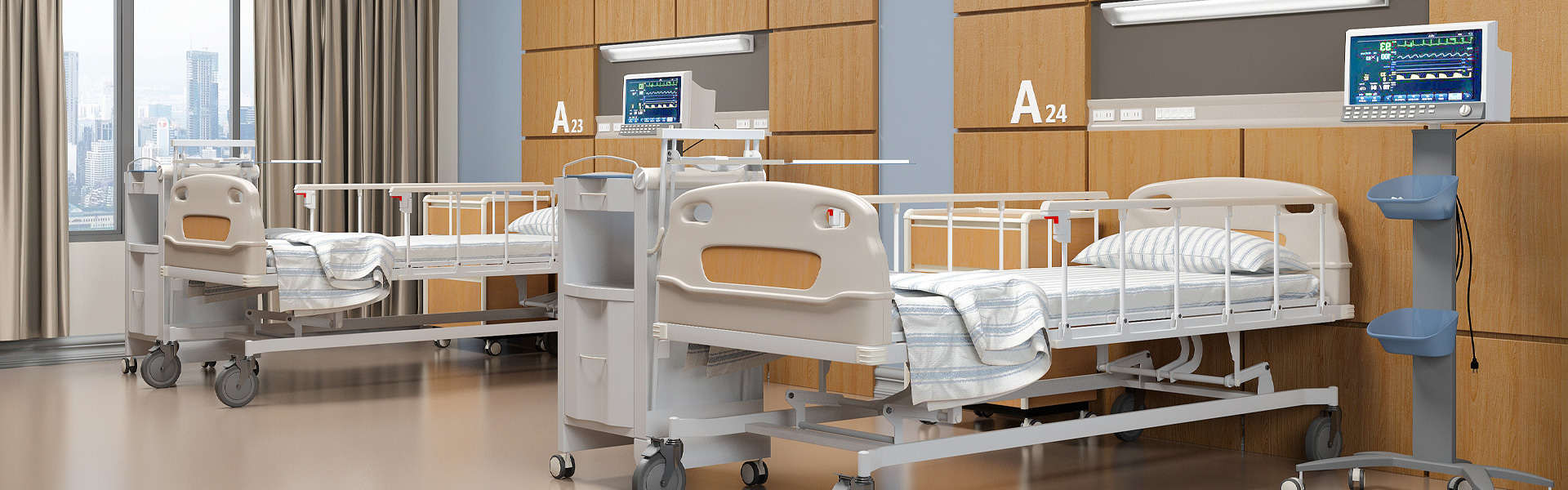
How Can You Prevent Nasogastric Tube Feeding Complications
2026-01-30
Safe and effective enteral nutrition is a cornerstone of supportive patient care. Utilizing a Nasogastric Tube for feeding is a common procedure, yet it carries inherent risks if not managed with expertise and vigilance. At Greatcare Medical, we understand that preventing complications begins with superior products and extends into comprehensive clinical best practices. This guide outlines key strategies to ensure patient safety and optimal outcomes during Nasogastric Tube feeding.
Proactive Strategies for Complication Prevention
A systematic approach is essential. Focus on these critical areas:
-
Secure Verification of Placement: Never assume tube position. Confirm placement post-insertion and before each feeding or medication administration using a combination of methods:
-
X-ray verification (the gold standard upon initial placement).
-
Measuring tube length and marking the exit site.
-
Checking the pH of aspirated gastric content (when applicable).
-
-
Meticulous Tube and Site Care:
-
Flush the tube with 30mL of water before and after each feed or medication delivery to prevent clogging.
-
Maintain clean technique when handling the feeding system.
-
Inspect the nares daily for signs of skin breakdown or pressure ulcers and re-secure the tube with a skin-friendly device to avoid dislocation.
-
-
Optimal Feeding Protocol:
-
Keep the patient's head elevated at least 30-45 degrees during and for 30-60 minutes after feeding to reduce aspiration risk.
-
Use an infusion pump for continuous feeds to control rate and volume accurately.
-
Regularly assess for tolerance, including monitoring gastric residual volumes per institutional policy.
-
The table below categorizes common complications and their primary preventive measures:
| Complication | Key Preventive Actions |
|---|---|
| Aspiration Pneumonia | Elevate head of bed, verify tube placement, avoid overfeeding. |
| Tube Displacement | Secure tube properly with a Greatcare Medical securement device, educate patient on care. |
| Clogging | Regular flushing with water, using properly blended medications. |
| Nasal/Skin Breakdown | Choose appropriate tube size, regularly inspect and clean the site. |
Nasogastric Tube FAQ
What is the most reliable method to check a Nasogastric Tube placement?
The most reliable method for initial confirmation is a chest or abdominal X-ray. Bedside methods like pH testing of aspirate are for interim checks but should not replace radiographic confirmation when first placed.
How often should a Nasogastric Tube be flushed?
A Nasogastric Tube should be flushed with 30mL of lukewarm water before and after administering feed or medication, and at least every 4-6 hours during continuous feeding to maintain patency.
Can a patient with a Nasogastric Tube eat or drink orally?
This depends entirely on the medical reason for the tube. In many cases, the tube is placed because oral intake is unsafe or insufficient. Patients must follow their healthcare team's specific instructions, which often prohibit oral food/fluids to prevent aspiration.
Implementing these evidence-based practices significantly enhances patient safety. However, the foundation of good care starts with reliable equipment. Greatcare Medical is committed to providing high-quality, patient-centric medical devices that support clinicians in delivering exceptional care.
Contact us today to learn more about our Nasogastric Tube solutions and how our Greatcare Medical products can enhance safety and efficiency in your clinical practice.