

Abstract
Large Volume Reagent Bottles are essential laboratory containers designed for the safe storage, transport, and dispensing of chemical reagents in bulk quantities. They are widely used in pharmaceutical research, chemical manufacturing, biotechnology, environmental testing, and academic laboratories. This article explores their structure, materials, applications, selection criteria, and safety considerations, helping laboratory professionals make informed decisions for efficient and secure reagent management.
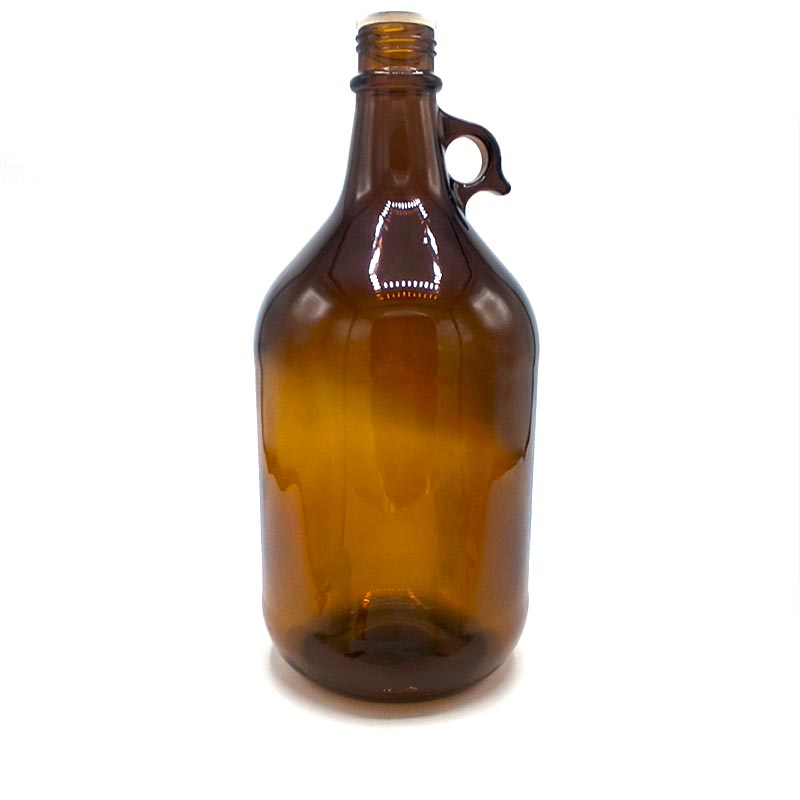
Table of Contents
- Abstract
- Introduction to Large Volume Reagent Bottles
- Key Structural Features and Materials
- Industrial and Laboratory Applications
- How to Choose the Right Reagent Bottle
- Material Comparison Table
- Safety and Handling Guidelines
- Cleaning and Maintenance Practices
- Frequently Asked Questions
- Conclusion and Professional Recommendation
Introduction to Large Volume Reagent Bottles
Large Volume Reagent Bottles are engineered containers typically used to store chemical solutions ranging from 2 liters to over 20 liters. Unlike standard laboratory bottles, they are designed to handle higher mechanical stress, chemical corrosion, and repeated handling cycles.
In modern laboratories, efficiency and safety are closely linked. Improper storage of reagents can lead to contamination, evaporation, leakage, or hazardous chemical reactions. These bottles serve as a critical safeguard, ensuring that reagents remain stable, uncontaminated, and easy to dispense.
Manufacturers such as Kangbo specialize in producing high-quality laboratory-grade storage solutions that meet strict international standards for durability and chemical resistance.
Key Structural Features and Materials
The performance of Large Volume Reagent Bottles depends heavily on their design and material composition. Each feature is optimized to enhance durability, safety, and usability.
- High-grade polymers: Common materials include polypropylene (PP), high-density polyethylene (HDPE), and sometimes borosilicate glass for specialized applications.
- Wide-mouth design: Facilitates easy filling, mixing, and cleaning of chemical solutions.
- Leak-proof sealing systems: Screw caps with silicone or PTFE liners prevent vapor loss and contamination.
- Graduation markings: Enable precise measurement of liquid levels.
- Ergonomic handles: Designed for safe lifting and pouring of heavy liquid contents.
These structural elements collectively ensure that the bottles can withstand both physical and chemical stress in demanding laboratory environments.
Industrial and Laboratory Applications
Large Volume Reagent Bottles are used across a wide range of scientific and industrial fields. Their versatility makes them indispensable in modern workflows.
- Pharmaceutical manufacturing: Storage of active ingredients, solvents, and intermediate compounds.
- Chemical industry: Handling acids, bases, and organic solvents in bulk quantities.
- Biotechnology research: Preparation and storage of culture media and buffers.
- Environmental testing: Collection and storage of water, soil, and air sample solutions.
- Academic laboratories: Teaching experiments and large-scale chemical preparation.
In all these applications, consistency and safety are key. The reliability of storage containers directly influences experimental accuracy and operational efficiency.
How to Choose the Right Reagent Bottle
Selecting the correct Large Volume Reagent Bottle requires careful evaluation of chemical compatibility, volume requirements, and operational conditions.
Key selection criteria include:
- Chemical resistance: Ensure compatibility with acids, solvents, or reactive chemicals.
- Temperature tolerance: Consider whether the bottle will be used in cold storage or autoclaving environments.
- Volume capacity: Choose appropriate size based on daily laboratory usage.
- Closure system: Select airtight sealing for volatile substances.
- Regulatory compliance: Confirm adherence to laboratory safety and material standards.
A well-selected reagent bottle reduces operational risks and improves workflow efficiency, especially in high-throughput laboratories.
Material Comparison Table
| Material | Chemical Resistance | Durability | Typical Use Case |
|---|---|---|---|
| HDPE | High | High impact resistance | Acids, bases, general storage |
| Polypropylene (PP) | Very High | Moderate flexibility | Autoclavable solutions, buffers |
| Borosilicate Glass | Excellent | Brittle but heat resistant | High-purity reagents, solvents |
Each material offers unique advantages, and selection should be based on chemical compatibility and operational demands.
Safety and Handling Guidelines
Proper handling of Large Volume Reagent Bottles is critical to maintaining laboratory safety standards. Mishandling can lead to chemical exposure, spills, or contamination.
- Always inspect bottles for cracks or deformation before use.
- Use appropriate personal protective equipment (PPE) such as gloves and goggles.
- Avoid overfilling to prevent pressure buildup.
- Store bottles in a cool, ventilated, and stable environment.
- Label all contents clearly with chemical names and hazard information.
Following these safety protocols ensures both personnel protection and reagent integrity.
Cleaning and Maintenance Practices
Regular cleaning is essential to prevent cross-contamination and extend the service life of reagent bottles.
- Rinse immediately after emptying chemical contents.
- Use appropriate cleaning agents depending on residue type.
- Avoid abrasive cleaning tools that may damage internal surfaces.
- Dry completely before reuse to prevent dilution of reagents.
- Perform periodic inspection for wear and chemical degradation.
Proper maintenance significantly reduces contamination risks and improves laboratory efficiency over time.
Frequently Asked Questions
Q1: What is the standard capacity of Large Volume Reagent Bottles?
They typically range from 2L to 20L depending on laboratory requirements.
Q2: Can these bottles be autoclaved?
Polypropylene bottles can often withstand autoclaving, but users should always verify manufacturer specifications.
Q3: Are they suitable for highly corrosive chemicals?
Yes, but material selection is crucial. HDPE and PP are commonly used for corrosive substances.
Q4: How can contamination be prevented?
Proper sealing, labeling, and cleaning procedures are essential for contamination control.
Q5: Why choose Kangbo products?
Kangbo provides laboratory-grade reagent bottles designed for durability, chemical resistance, and consistent performance under demanding conditions.
Conclusion and Professional Recommendation
Large Volume Reagent Bottles play a vital role in ensuring safe, efficient, and accurate laboratory operations. From chemical storage to industrial-scale research, their design and material quality directly influence experimental outcomes and safety compliance.
Choosing the right product requires attention to material compatibility, volume needs, and operational conditions. With advanced manufacturing standards and reliable performance, Kangbo offers trusted solutions for laboratories seeking long-term stability and safety in reagent management systems.
For laboratories aiming to improve storage efficiency and chemical safety, professional-grade solutions are essential. Kangbo continues to support scientific advancement through precision-engineered laboratory containers designed for modern research demands.
Contact us today to explore more about Kangbo Large Volume Reagent Bottles and discover how our solutions can enhance your laboratory operations.