

How Do Three Wheel And Four Wheel Rollator Designs Compare For Maneuverability
2026-01-30
For individuals seeking to regain or maintain their active independence, selecting the right mobility aid is crucial. A Walker Rollator is more than just a walking frame; it's a companion for daily adventures. One of the most common dilemmas faced is choosing between a three-wheel and a four-wheel design, primarily centered on maneuverability. At Baili, we believe an informed choice is the best choice. This guide will professionally compare these designs to help you find your perfect match.
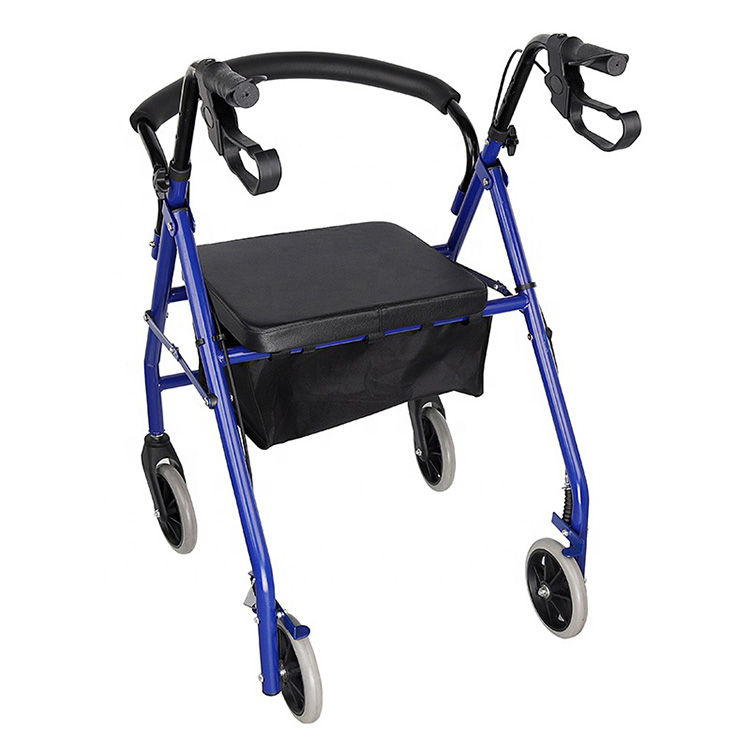
Maneuverability encompasses how easily a device turns, navigates tight spaces, and handles various surfaces. Here’s a breakdown of how the two designs compare:
Core Maneuverability Comparison:
-
Pivoting and Turning:
-
3-Wheel Rollator: Features a single front wheel, allowing it to pivot on a dime. This design offers a tighter turning radius, making it superior for navigating cramped indoor spaces like narrow hallways or crowded rooms.
-
4-Wheel Rollator: With two front wheels, the turning radius is slightly larger. While still highly maneuverable, it requires a bit more space to execute tight turns compared to its three-wheel counterpart.
-
-
Stability and Control:
-
3-Wheel Rollator: The triangular base is inherently slightly less stable when stationary, especially if not on a completely flat surface. However, its agile nature provides excellent control during continuous movement.
-
4-Wheel Rollator: The four-point rectangular base offers superior lateral (side-to-side) stability when both moving and at a full stop. This design inspires confidence for users who prioritize a solid, unwavering feel.
-
To summarize the key differences, please refer to the following comparison table:
| Feature | 3-Wheel Rollator | 4-Wheel Rollator |
|---|---|---|
| Turning Radius | Tighter, more nimble | Larger, requires more space |
| Indoor Maneuverability | Excellent for tight spaces | Very Good |
| Straight-Line Stability | Good | Excellent |
| Ideal Primary Use | Active users in confined spaces | Users prioritizing stability & storage |
Walker Rollator FAQ
Q: Can I use a 3-wheel rollator if I need to rest frequently?
A: Yes, most modern 3-wheel rollators, including models from Baili, come equipped with a reliable, padded seat and a backrest. It is perfectly designed for taking short breaks. However, due to its three-point base, it is crucial to always engage the brakes fully and ensure the device is on level ground before sitting down.
Q: Which rollator design is better for outdoor walks on paved paths?
A: For outdoor use on paved surfaces, both designs can be suitable, but a 4-wheel rollator often has the edge. The four-wheel design typically provides a more stable and smooth ride over longer distances, and many come with larger, more rugged wheels that handle minor outdoor imperfections better. Look for features like 8-inch rear wheels on a Baili rollator for enhanced outdoor performance.
Q: How important are the brakes on a walker rollator for safety?
A: Brakes are the most critical safety feature on any Walker Rollator. They allow for speed control on inclines and secure the device when sitting or standing. Baili rollators are equipped with easy-to-squeeze loop-lock brakes that act on the rear wheels, offering reliable stopping power. Always practice using the brakes in a safe environment before daily use.
Choosing between a three-wheel and four-wheel Walker Rollator ultimately depends on your lifestyle, primary environment, and personal need for agility versus steadfast stability. By understanding these maneuverability differences, you can select a tool that truly empowers your movement.
Still unsure which design best fits your daily route? Our mobility experts at Baili are here to provide personalized guidance. Contact us today for a detailed consultation and discover the Baili rollator engineered to navigate your world with confidence.