
How Does a Nasal Tracheal Tube Improve Airway Management in Clinical Practice?
2026-04-16
A Nasal Tracheal Tube is a critical airway management device widely used in anesthesia, emergency care, and intensive care units. This article explains how it works, when it is used, and what clinical benefits it provides. It also highlights common challenges, selection considerations, and safety practices to help healthcare professionals make informed decisions in airway management procedures.
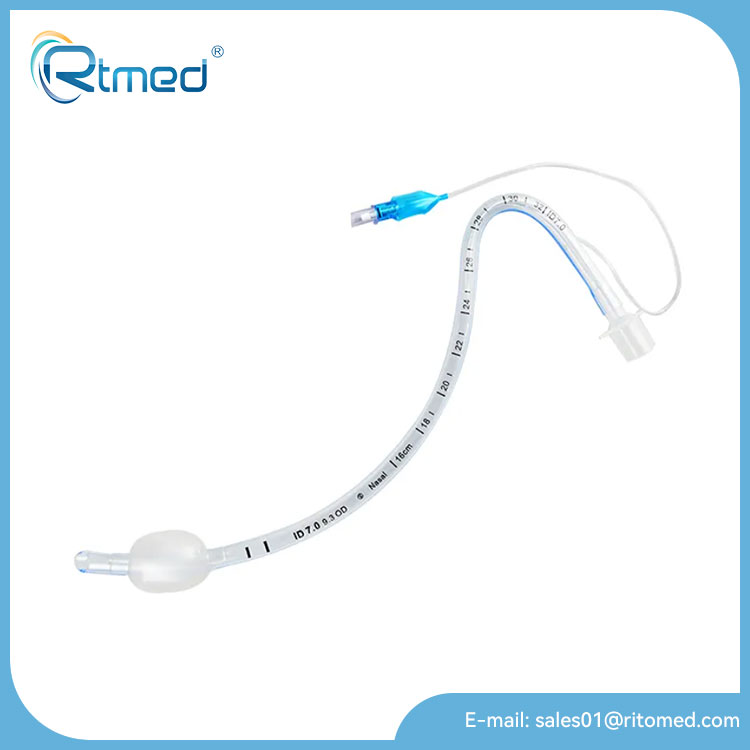
Table of Contents
- 1. Overview of Nasal Tracheal Tube
- 2. How It Works in Airway Management
- 3. Clinical Indications and Applications
- 4. Key Advantages in Medical Use
- 5. Potential Risks and Limitations
- 6. How to Choose the Right Tube
- 7. Comparison Table
- 8. Basic Insertion Workflow
- 9. Safety Considerations
- 10. FAQ
- 11. Conclusion
1. Overview of Nasal Tracheal Tube
A Nasal Tracheal Tube is a flexible airway device inserted through the nasal passage into the trachea to maintain a patent airway. It is commonly used during surgeries, emergency resuscitation, and long-term ventilation support when oral access is limited or contraindicated.
Manufactured with medical-grade materials, modern tubes are designed to reduce trauma, enhance patient comfort, and ensure stable oxygen delivery. RTMED provides high-quality airway management solutions tailored for clinical environments requiring precision and safety.
2. How It Works in Airway Management
The Nasal Tracheal Tube functions by bypassing upper airway obstructions and delivering air directly into the trachea. Once inserted, the cuff (if present) is inflated to secure the tube and prevent air leakage.
- Ensures continuous oxygen delivery
- Prevents airway collapse
- Facilitates mechanical ventilation
- Reduces risk of aspiration in selected patients
This controlled airway access is essential in critical care scenarios where oxygenation stability is a priority.
3. Clinical Indications and Applications
Nasal Tracheal Tubes are used in a wide range of medical situations, particularly when oral intubation is not feasible.
- Maxillofacial surgery requiring oral access
- Severe oral trauma or swelling
- Long-term mechanical ventilation
- Emergency airway management
- Reduced jaw mobility conditions
4. Key Advantages in Medical Use
The nasal approach offers several clinical benefits compared to oral intubation:
- Improved patient tolerance in long-term ventilation
- Better accessibility during oral or dental procedures
- Reduced interference with surgical fields
- Enhanced stability of airway positioning
These advantages make it a preferred option in specialized surgical and ICU environments.
5. Potential Risks and Limitations
While highly effective, nasal tracheal intubation also carries certain risks that must be carefully managed.
- Nasal bleeding due to mucosal trauma
- Sinusitis in prolonged use
- Improper placement risks
- Airway resistance if incorrectly sized
Proper training and device selection significantly reduce these risks.
6. How to Choose the Right Tube
Selecting the correct Nasal Tracheal Tube depends on multiple patient and procedural factors:
- Patient age and anatomy
- Required ventilation duration
- Internal diameter requirements
- Cuffed vs uncuffed design
Medical suppliers like RTMED offer a wide range of specifications to support diverse clinical needs.
7. Comparison Table
| Feature | Nasal Tracheal Tube | Oral Tracheal Tube |
|---|---|---|
| Insertion Route | Nasal cavity | Oral cavity |
| Patient Comfort (Long-term) | Higher | Moderate |
| Surgical Access | Unobstructed oral access | May interfere |
| Risk of Oral Trauma | Lower | Higher |
8. Basic Insertion Workflow
The insertion of a Nasal Tracheal Tube must be performed by trained professionals following standardized steps:
- Pre-oxygenation of the patient
- Nasal passage preparation and lubrication
- Careful tube insertion through nasal cavity
- Guidance into trachea using visualization tools
- Confirmation of placement via capnography
- Securing the tube and initiating ventilation
9. Safety Considerations
Safety is critical in airway management. Key considerations include:
- Proper tube sizing to avoid mucosal injury
- Sterile handling procedures
- Continuous monitoring of oxygen saturation
- Regular assessment of tube position
Medical teams must always ensure compliance with clinical airway protocols to prevent complications.
10. FAQ
Q1: What is the main purpose of a Nasal Tracheal Tube?
It is used to secure the airway and ensure effective ventilation when oral intubation is not suitable.
Q2: Is nasal intubation painful?
It may cause discomfort, but proper sedation and lubrication minimize pain and trauma.
Q3: How long can a Nasal Tracheal Tube be used?
It can be used for short-term or extended ventilation depending on clinical requirements and patient condition.
Q4: What complications may occur?
Common risks include nasal bleeding, sinus infection, and improper placement if not correctly inserted.
11. Conclusion
The Nasal Tracheal Tube remains an essential tool in modern airway management, offering a reliable solution in both emergency and surgical settings. Its ability to maintain stable oxygenation while allowing surgical access makes it highly valuable in clinical practice.
With high manufacturing standards and consistent quality control, RTMED supports healthcare providers with dependable airway solutions designed for safety and efficiency.
For more product information or customization support, please contact us at RTMED — contact us today to discuss your clinical needs and cooperation opportunities.