
How Does a Stand-up Walker Improve Mobility and Independence?
2026-03-13
Article Summary
Mobility challenges affect millions of elderly individuals and patients recovering from injuries or surgeries. Traditional walkers offer support, but many users still struggle with posture, balance, and long-term comfort. A Stand-up Walker is designed to promote an upright posture while providing stable assistance for walking and rehabilitation. This article explains how stand-up walkers work, why they are beneficial, key features to consider, and how they help restore independence. Practical guidance, product parameters, and frequently asked questions are also included to help buyers and caregivers make informed decisions.
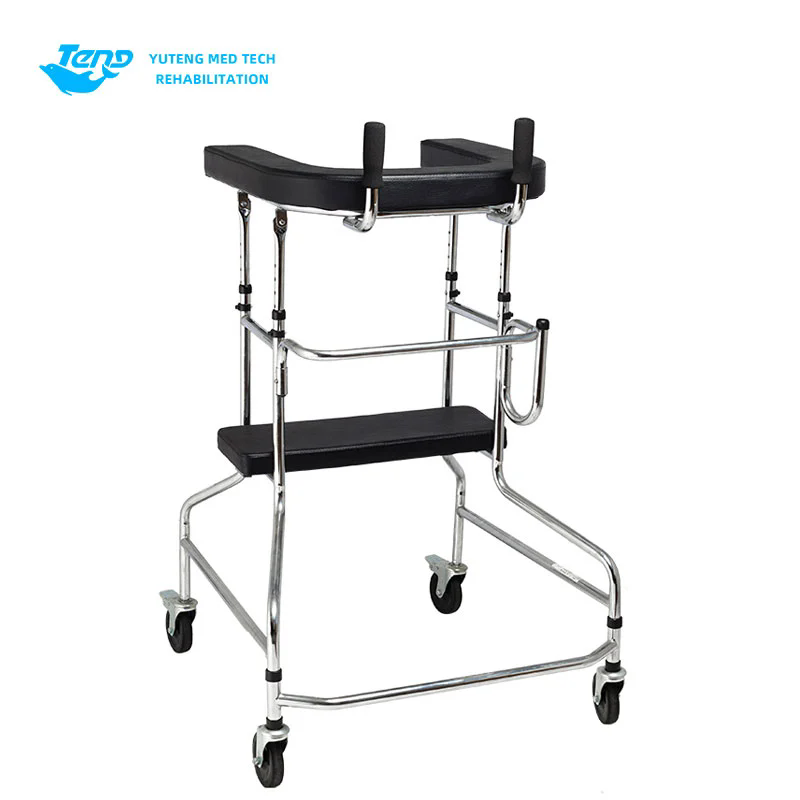
Table of Contents
- 1. Introduction to Stand-up Walkers
- 2. Why Traditional Walkers Are Not Always Enough
- 3. How a Stand-up Walker Works
- 4. Key Structural Components
- 5. Product Parameters Overview
- 6. Major Benefits for Users
- 7. How to Choose the Right Stand-up Walker
- 8. Common Application Scenarios
- 9. Frequently Asked Questions
- 10. Conclusion
1. Introduction to Stand-up Walkers
A Stand-up Walker is a rehabilitation mobility aid designed to support users in a natural upright standing position while walking. Unlike conventional walkers that require users to lean forward, this device includes forearm supports, padded armrests, and ergonomic handles that encourage correct posture and reduce strain on the back and shoulders.
These walkers are commonly used in hospitals, rehabilitation centers, nursing homes, and home care environments. They are especially beneficial for elderly users, stroke patients, and individuals with limited lower-body strength who require stable support while maintaining mobility.
Manufacturers such as Yuteng Medical Technology have developed advanced stand-up walker designs to enhance stability, comfort, and safety, making rehabilitation more effective and daily movement easier.
2. Why Traditional Walkers Are Not Always Enough
Standard walkers provide basic support but often lead to poor posture. Many users lean forward while gripping the handles, which can cause several problems over time.
- Increased pressure on wrists and shoulders
- Forward-leaning posture that strains the spine
- Limited visibility when walking
- Higher risk of fatigue during long-distance walking
For patients undergoing rehabilitation or elderly individuals who require long-term assistance, maintaining correct posture is essential. This is where the design of a stand-up walker becomes particularly valuable.
3. How a Stand-up Walker Works
A stand-up walker works by redistributing body weight from the wrists and hands to the forearms. This design enables users to remain upright while walking and provides better balance control.
The user places their forearms on padded armrests while gripping ergonomic handles positioned at a comfortable height. The walker frame supports body weight and allows the user to move forward smoothly using wheels or glide mechanisms.
Key operational principles include:
- Posture correction – forearm supports encourage an upright position
- Weight distribution – body weight is spread across arms and frame
- Improved balance – a wider base increases walking stability
- Controlled movement – braking systems provide safety when stopping
This ergonomic structure reduces fatigue and allows users to walk longer distances with greater confidence.
4. Key Structural Components
Understanding the structure of a stand-up walker helps users evaluate product quality and usability. Most models include several essential components.
- Reinforced aluminum frame for durability and lightweight mobility
- Forearm support pads that stabilize the upper body
- Adjustable handles to fit different user heights
- Lockable wheels that provide smooth movement and safety
- Ergonomic grips designed to reduce hand fatigue
- Braking system to prevent unintended movement
These components work together to create a stable and comfortable walking aid suitable for both rehabilitation and everyday mobility.
5. Product Parameters Overview
| Product Name | Stand-up Walker |
| Frame Material | High-strength aluminum alloy |
| Height Adjustment | Adjustable forearm and handle height |
| Wheel Type | 360° swivel front wheels with locking brakes |
| Weight Capacity | Up to 150 kg |
| Armrest Padding | Soft ergonomic foam support |
| Foldable Design | Yes, for easy transport and storage |
| Application | Rehabilitation, elderly mobility assistance |
6. Major Benefits for Users
A stand-up walker provides several advantages compared with conventional walking aids.
Improved posture
The upright design prevents users from bending forward, helping maintain proper spinal alignment.
Reduced physical strain
Forearm support distributes weight evenly, reducing pressure on wrists and shoulders.
Enhanced mobility confidence
Stable frames and braking systems provide security, allowing users to move freely indoors or outdoors.
Better rehabilitation outcomes
For patients recovering from surgery or neurological conditions, upright walking supports muscle activation and improves balance training.
7. How to Choose the Right Stand-up Walker
Selecting the correct stand-up walker requires evaluating several factors.
- User height compatibility – ensure adjustable armrest and handle positions
- Weight capacity – choose a model that supports the user's body weight
- Frame durability – aluminum alloy frames provide strength without excessive weight
- Wheel quality – larger wheels improve maneuverability
- Foldability – useful for transport and storage
Reliable manufacturers such as Yuteng Medical Technology design walkers with adjustable structures and durable materials to meet various rehabilitation and mobility needs.
8. Common Application Scenarios
Stand-up walkers are used across multiple care environments.
- Post-surgery rehabilitation
- Stroke recovery programs
- Elderly mobility assistance
- Long-term home care
- Physical therapy training
Because of their ergonomic support system, these devices allow patients to remain active while minimizing the risk of falls.
9. Frequently Asked Questions
Q1: Who should use a stand-up walker?
Stand-up walkers are suitable for elderly individuals, rehabilitation patients, and users with limited balance or lower limb strength who need additional support while walking.
Q2: Is a stand-up walker better than a standard walker?
For users who experience back strain or poor posture with traditional walkers, a stand-up walker can offer better ergonomic support and improved stability.
Q3: Can stand-up walkers be used outdoors?
Yes. Many models are equipped with durable wheels and braking systems that allow safe use on sidewalks, indoor floors, and rehabilitation environments.
Q4: Are stand-up walkers adjustable?
Most models include adjustable armrests and handle heights so the device can fit users of different body sizes.
10. Conclusion
A Stand-up Walker is more than a simple mobility aid. Its ergonomic design encourages upright posture, reduces physical strain, and significantly improves walking stability. For elderly individuals and rehabilitation patients, this type of walker provides a safer and more comfortable way to regain independence and maintain daily mobility.
With continuous innovation from companies such as Yuteng Medical Technology, stand-up walkers are becoming more reliable, adjustable, and user-friendly. Choosing the right walker can make a meaningful difference in both rehabilitation progress and everyday quality of life.
If you are looking for a reliable mobility solution or want to learn more about professional rehabilitation equipment, visit our product page or contact us today. Our team will gladly help you find the most suitable stand-up walker for your needs.