
How Does a UV Air Sterilizer Improve Indoor Air Quality?
2026-04-02
Summary: Indoor air pollution has become a pressing concern for homes, offices, and healthcare facilities. UV air sterilizers offer a proven method to eliminate harmful pathogens and improve air quality. This article explores how UV air sterilizers work, their benefits, installation considerations, and answers common questions to help you make an informed decision.
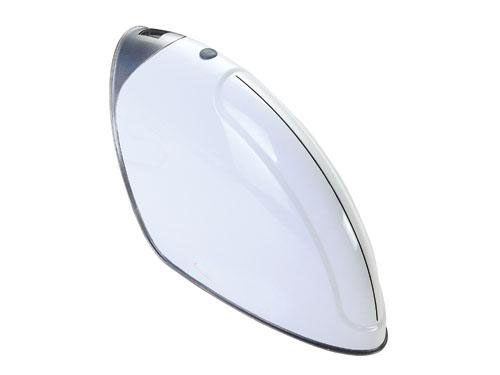
Table of Contents
1. Introduction to UV Air Sterilizers
UV air sterilizers are devices that use ultraviolet (UV-C) light to kill or inactivate airborne microorganisms such as bacteria, viruses, and mold spores. With indoor air quality declining due to pollution, allergens, and pathogens, UV sterilization provides an effective, chemical-free solution for maintaining healthy air in homes, offices, and healthcare environments.
- Company spotlight: JIBIMED specializes in high-performance UV air sterilizers for both residential and commercial applications.
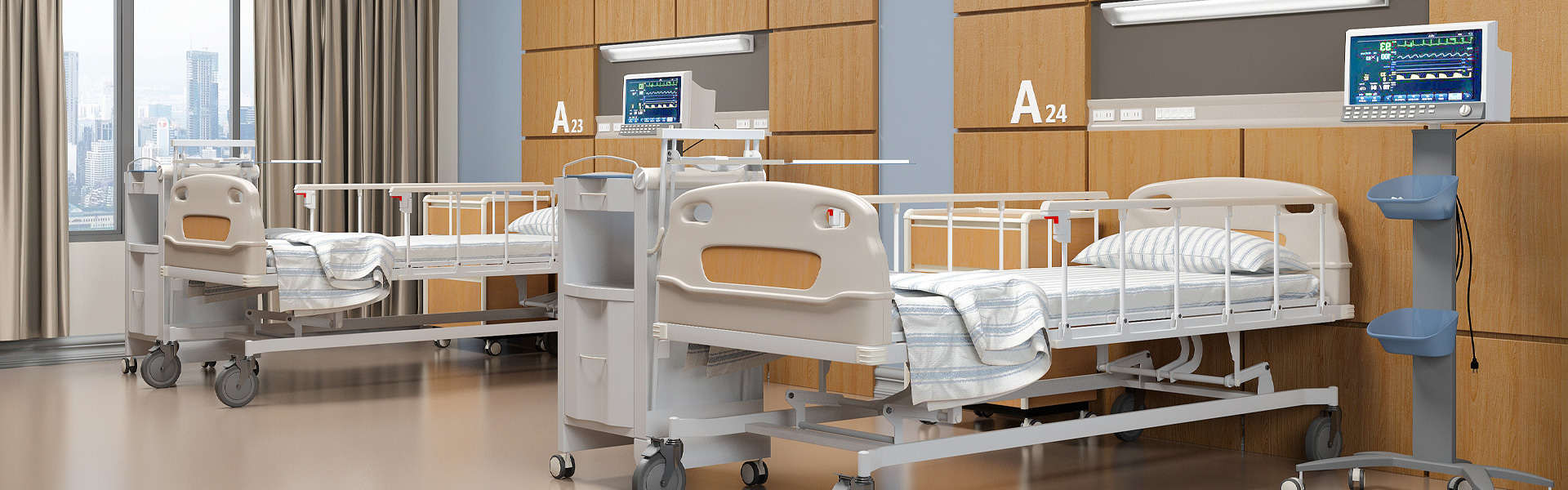
- UV air sterilizers are suitable for bedrooms, living rooms, offices, and hospital settings.
- They complement HVAC systems to enhance overall air cleanliness.
2. How UV Air Sterilizers Work
The core mechanism behind UV air sterilizers is ultraviolet germicidal irradiation (UVGI). This process uses UV-C light, typically at a wavelength of 254 nanometers, to disrupt the DNA or RNA of microorganisms, rendering them incapable of reproduction and infection.
Key Mechanisms:
- Air Intake: Polluted air enters the sterilizer through a fan system.
- UV-C Exposure: Air passes through a chamber equipped with UV-C lamps that neutralize pathogens.
- Clean Air Output: Sterilized air is released back into the environment, reducing the risk of airborne transmission.
| Component | Function |
|---|---|
| UV-C Lamp | Generates ultraviolet light to inactivate microorganisms |
| Air Fan | Pulls air into the sterilization chamber for exposure |
| Reflective Chamber | Enhances UV light exposure for maximum sterilization |
3. Key Benefits for Indoor Spaces
Using a UV air sterilizer provides several advantages that directly impact health and comfort:
- Pathogen Reduction: Reduces airborne bacteria, viruses, and mold spores.
- Allergen Control: Helps alleviate allergy symptoms by reducing dust mites and pollen.
- Odor Removal: Minimizes odors caused by microbial growth.
- Energy Efficient: Works alongside HVAC systems without significant energy consumption.
- Low Maintenance: UV lamps typically last for thousands of hours before replacement.
4. Installation and Maintenance Tips
Proper installation and maintenance are crucial for optimal performance:
- Install the UV air sterilizer in areas with consistent airflow, such as near HVAC ducts or high-traffic rooms.
- Regularly clean the UV lamp surface and air intake filters to prevent dust accumulation.
- Replace UV lamps according to manufacturer guidelines, typically every 9–12 months.
- Ensure safety by avoiding direct UV exposure to skin or eyes during maintenance.
5. UV Air Sterilizer vs. Other Air Purifiers
UV air sterilizers differ from conventional HEPA or activated carbon air purifiers in several ways:
| Feature | UV Air Sterilizer | HEPA/Carbon Purifier |
|---|---|---|
| Pathogen Neutralization | High effectiveness on viruses and bacteria | Primarily traps particles, limited pathogen inactivation |
| Airborne Allergens | Moderate reduction | High reduction of dust and pollen |
| Odor Control | Minimal, unless combined with filters | Effective with activated carbon filters |
Combining UV air sterilizers with HEPA filtration often delivers the most comprehensive indoor air quality solution.
6. Frequently Asked Questions
A1: Yes, when properly enclosed in the device. Direct exposure to UV-C light should be avoided.
A2: Typically every 9–12 months depending on usage and manufacturer recommendations.
A3: They can reduce odors caused by microbial growth but are less effective against chemical odors.
A4: Yes, cleaning the lamp and filters periodically ensures maximum effectiveness.
Conclusion & Contact Information
UV air sterilizers are a highly effective solution to improve indoor air quality by reducing pathogens, allergens, and odors. JIBIMED’s advanced UV technology ensures safe, continuous, and low-maintenance purification for homes and commercial spaces alike.
Experience cleaner, healthier air today with JIBIMED UV Air Sterilizers. Contact us to learn more and find the perfect solution for your indoor environment.