

How to Choose and Use a Wide Mouth Reagent Bottle Efficiently?
2026-04-22
Abstract: Selecting the right laboratory container can directly affect safety, efficiency, and sample integrity. This article explores how a Wide Mouth Reagent Bottle improves workflow, minimizes contamination risks, and simplifies handling. You will learn how to choose the correct material, size, and design while addressing common user challenges such as leakage, chemical compatibility, and storage optimization.
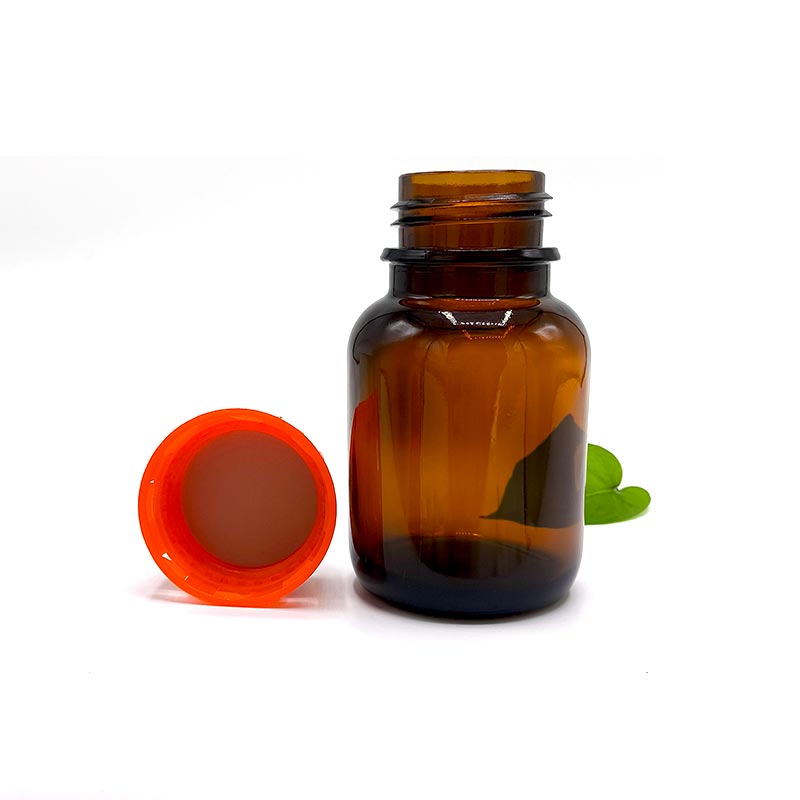
Table of Contents
- 1. Overview of Wide Mouth Reagent Bottles
- 2. Key Benefits and Use Cases
- 3. How to Choose the Right Bottle
- 4. Material Comparison Table
- 5. Best Practices for Usage
- 6. Common Problems and Solutions
- 7. Cleaning and Maintenance Tips
- 8. FAQ
1. Overview of Wide Mouth Reagent Bottles
A Wide Mouth Reagent Bottle is a specialized laboratory container designed with a broader opening compared to standard bottles. This structural feature allows for easier filling, pouring, and cleaning, especially when dealing with powders, viscous liquids, or bulk reagents.
Industries such as pharmaceuticals, chemical manufacturing, research laboratories, and educational institutions rely heavily on these bottles for safe storage and handling of substances.
2. Key Benefits and Use Cases
- Easy Filling: Ideal for powders and granules that are difficult to transfer.
- Convenient Cleaning: Wide opening allows brushes or automated systems to clean thoroughly.
- Reduced Spillage: Improves pouring accuracy, minimizing waste.
- Versatile Storage: Suitable for liquids, solids, and semi-solids.
Typical applications include:
- Chemical reagent storage
- Sample collection
- Food-grade material storage
- Pharmaceutical formulation processes
3. How to Choose the Right Bottle
Choosing the correct Wide Mouth Reagent Bottle requires evaluating several technical factors:
- Chemical Compatibility: Ensure the bottle material resists corrosion or reaction.
- Capacity: Select volume based on usage frequency and storage needs.
- Closure Type: Leak-proof caps or screw lids are essential for hazardous materials.
- Transparency: Clear bottles for visibility or amber bottles for light-sensitive substances.
For high-quality options, explore professional-grade solutions from Kangbo, which offer reliable sealing and durable construction.
4. Material Comparison Table
| Material | Advantages | Limitations | Best Use Case |
|---|---|---|---|
| HDPE | Lightweight, chemical resistant | Not suitable for high temperatures | General chemical storage |
| PP | High heat resistance | Slightly less flexible | Autoclaving applications |
| Glass | Excellent chemical stability | Fragile and heavier | Highly reactive chemicals |
5. Best Practices for Usage
To maximize performance and safety:
- Label each bottle clearly with chemical name and hazard information
- Avoid overfilling to prevent leakage
- Use appropriate caps for airtight sealing
- Store in controlled environments away from direct sunlight if needed
Additionally, pairing reagent bottles with compatible storage systems, such as those found at Kangbo, can streamline laboratory workflows.
6. Common Problems and Solutions
| Problem | Cause | Solution |
|---|---|---|
| Leakage | Loose cap or damaged seal | Replace cap or use higher-quality bottle |
| Contamination | Improper cleaning | Implement strict cleaning protocols |
| Chemical Reaction | Wrong material selection | Switch to compatible material |
7. Cleaning and Maintenance Tips
- Rinse immediately after use to prevent residue buildup
- Use appropriate solvents depending on stored chemicals
- Dry completely before reuse to avoid contamination
- Inspect regularly for cracks or wear
Routine maintenance extends the lifespan of your reagent bottles and ensures consistent performance in demanding environments.
8. FAQ
Q1: What is the advantage of a wide mouth over a narrow mouth bottle?
A: Wide mouth bottles allow easier filling, cleaning, and handling of solids or viscous materials.
Q2: Can wide mouth reagent bottles be used for hazardous chemicals?
A: Yes, provided the material is compatible and the closure system is secure and leak-proof.
Q3: Are plastic bottles better than glass?
A: It depends on the application. Plastic is lightweight and durable, while glass offers superior chemical resistance.
Q4: How often should bottles be replaced?
A: Replace immediately if cracks, discoloration, or sealing issues are observed.
Choosing the right Wide Mouth Reagent Bottle is essential for improving laboratory efficiency and ensuring safe chemical handling. For durable, high-performance solutions tailored to your needs, visit Kangbo and explore a wide range of professional-grade products. Contact us today to get expert support and customized solutions for your laboratory applications.