
Article Summary: Medical gas systems are designed around controlled distribution, clear identification and reliable isolation. A properly configured medical gas valve box brings these functions together at the zone level, giving maintenance and clinical engineering teams a practical way to control oxygen, medical air, vacuum and other designated gas services. This article explains the structure, working principle, installation considerations, valve configuration, material requirements and purchasing points that matter when specifying a medical gas valve box for a hospital project.
What Is a Medical Gas Valve Box?
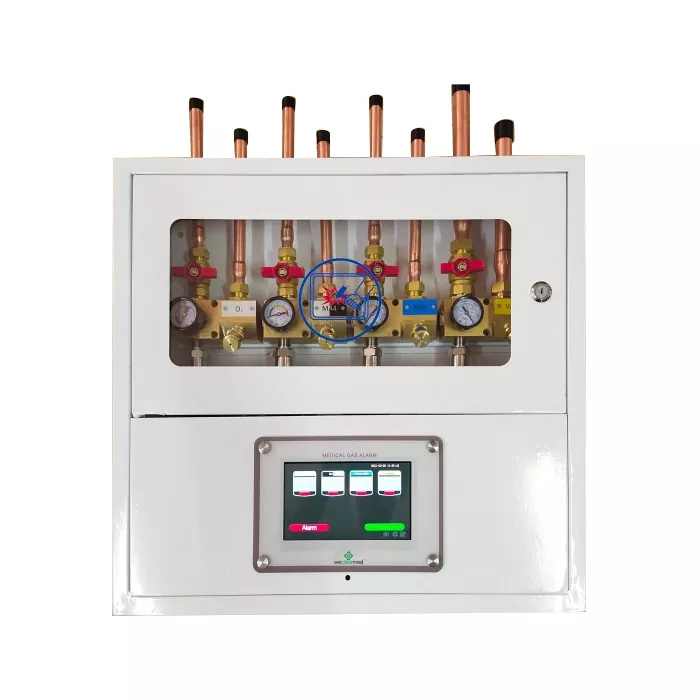
A medical gas valve box is an enclosure installed as part of a medical gas pipeline system. Its primary job is to provide a clearly identified and protected location for isolation valves serving a particular hospital area or zone. Depending on the project specification, the assembly may also incorporate pressure gauges, pressure switches, emergency connections, labels and alarm-related components.
In practical terms, it creates a controlled interface between the building's medical gas distribution network and the clinical area it serves. Instead of locating individual valves openly along a corridor or behind unrelated building finishes, the valves are grouped inside a dedicated cabinet that can be accessed by authorized personnel.
This arrangement is especially useful because medical gas distribution cannot be treated like an ordinary building utility. Oxygen, medical air, vacuum and other services may support patient care, operating rooms, intensive care areas, recovery rooms and diagnostic departments. A zone isolation point therefore needs to be easy to identify and operate without creating unnecessary disturbance elsewhere in the system.
What Does a Medical Gas Valve Box Do?
The value of a medical gas valve box becomes clearer when looking at the situations in which it is used. Healthcare facilities need to maintain gas availability while still having a practical method of isolating a specific section when work or an abnormal condition occurs.
Zone Isolation
Individual gas lines can be isolated for a defined area rather than shutting down a much larger section of the distribution network.
Pressure Observation
Gauge arrangements can provide a visible indication of the condition of the gas service where pressure monitoring is specified.
Emergency Access
Clearly arranged controls help authorized personnel identify the relevant service and reach the isolation valve quickly when required.
The same access point can also make planned maintenance more manageable. If a section of pipework needs to be serviced, the responsible team can identify the corresponding isolation point and follow the facility's established shutdown and verification procedure.
Some systems combine valve boxes with alarm or monitoring equipment. In these configurations, pressure information and zone status may be presented together, giving facility personnel a more complete view of the affected gas services.
How Is a Medical Gas Valve Box Structured?
The exact configuration depends on the number of gases, pipe sizes, installation method and local project requirements. However, most assemblies revolve around the same basic concept: an enclosure protects and organizes the components while keeping the relevant operating information visible.
| Component | Typical Function | Purchasing Consideration |
|---|---|---|
| Valve box / cabinet | Protects and organizes the internal gas-control components. | Confirm wall construction, dimensions, finish and access method. |
| Isolation valve | Controls gas flow to the designated area. | Confirm gas service, size, connection type and applicable specification. |
| Pressure gauge | Provides a local visual indication of line pressure where required. | Confirm pressure range, units, connection and dial arrangement. |
| Pipe/tube assembly | Connects the valve assembly to the medical gas pipeline. | Verify material, size, cleanliness and connection requirements. |
| Viewing window | Allows operators to identify valve positions and gauge readings without unnecessary access. | Check material, visibility, durability and removal/opening method. |
| Identification labels | Distinguish individual medical gas services. | Use project-approved gas names, symbols and identification conventions. |
Depending on the application, the box may be recessed into the wall or installed as a surface-mounted unit. Multi-gas configurations can group several valves into one cabinet, which can make zone control more organized and easier to identify.
Which Gas Services Can Be Managed?
The gas services installed in a valve box are determined by the clinical function of the area and the medical gas design. Common services include oxygen, medical air and medical vacuum, while other projects may require nitrous oxide, carbon dioxide, nitrogen, surgical air or additional specialty gases.
| Service | Typical Role in Healthcare | Key Design Point |
|---|---|---|
| Oxygen | Supports patient oxygen therapy and clinical equipment. | Identification, cleanliness, pressure and oxygen-service compatibility are critical. |
| Medical Air | Used by respiratory and medical equipment. | System pressure and area requirements should be confirmed before configuration. |
| Medical Vacuum | Provides suction for clinical applications. | Vacuum-side specifications differ from positive-pressure gas services. |
| Nitrous Oxide | Used in designated anesthesia and clinical applications. | Gas identification and connection details must match the project design. |
| Carbon Dioxide / Nitrogen | Used in specific clinical, laboratory or equipment applications. | Confirm whether these services are required at the zone level. |
A common purchasing mistake is to start with the cabinet size and then try to fit the pipeline configuration afterward. A better approach is to establish the required gas services and pipe connections first, then determine the enclosure dimensions and internal arrangement.
What Design Details Matter in Real Projects?
1. Clear identification
Every gas service should be immediately distinguishable. Labels, colors, symbols and valve arrangement should follow the project's applicable identification requirements. Clear identification is not simply a cosmetic feature; it reduces the possibility of confusion during maintenance or an emergency.
2. Easy access
A valve box should be located where authorized personnel can reach it without moving equipment or removing unrelated building finishes. The access door or window should provide sufficient visibility of the valves, gauges and labels.
3. Appropriate valve arrangement
Valve orientation and spacing affect both operation and maintenance. Handles should be accessible, gauge faces should be readable and internal components should not be packed so tightly that routine servicing becomes difficult.
4. Wall installation method
Recessed and surface-mounted configurations have different installation requirements. Wall thickness, finished-wall dimensions, cabinet depth and pipe entry direction should be confirmed before manufacturing.
5. Future serviceability
Medical infrastructure is expected to remain operational for many years. A box that is difficult to open, inspect or repair may create unnecessary maintenance costs later. Good design leaves enough practical access around the components that technicians need to inspect or replace.
What Materials and Internal Components Are Important?
Medical gas applications place greater emphasis on cleanliness and component compatibility than ordinary utility piping. The valve box itself may be fabricated from coated steel, stainless steel or another project-approved material, while the internal pipeline components must match the medical gas system specification.
For oxygen service in particular, components and pipeline surfaces need to be handled according to the applicable oxygen-cleanliness requirements. Residual oil, grease or other contaminants can create unacceptable risks in oxygen systems, so cleaning and handling procedures should be clearly defined by the manufacturer and installation team.
The viewing panel also deserves attention. Transparent acrylic or polycarbonate windows are common design approaches, but the appropriate material and thickness depend on the cabinet design and project requirements. The window should provide sufficient visibility while allowing the operator to understand the valve position and gauge reading.
What Should Be Checked Before Installation?
Installation problems are often caused by incomplete information rather than by the cabinet itself. Before placing an order, the project team should verify the physical and functional requirements together.
Installation should also be coordinated with architectural finishes, electrical services, nursing stations, corridor layouts and other building systems. A technically correct valve box can still create difficulties if its final position makes the controls hard to reach.
What Should Buyers Confirm Before Ordering?
For contractors, medical gas system integrators and hospital engineering teams, the most useful quotation is one based on a complete specification rather than a product name alone. “Medical gas valve box” can describe configurations with very different numbers of valves, pipe sizes, gauges and installation methods.
| Specification Area | Questions to Confirm |
|---|---|
| Gas configuration | Which gases are required? Is vacuum included? How many services are installed in each zone? |
| Pipeline connection | What pipe/tube material, outside diameter and connection method are required? |
| Valve specification | What valve type, size, operating pressure and service compatibility are required? |
| Cabinet design | Is the installation recessed or surface-mounted? What wall thickness and available space are involved? |
| Monitoring | Are pressure gauges, pressure switches or alarm interfaces required? |
| Identification | Which gas names, colors, symbols and labels are required by the project? |
| Testing documents | What inspection, pressure-testing, cleaning or material documentation is required? |
| Project standards | Which national, regional or hospital-specific standards govern the installation? |
Standards should always be treated according to the market and project specification. For example, medical gas systems may reference standards such as NFPA 99, EN ISO 7396-1, HTM 02-01 or applicable national requirements depending on the country and application. A supplier should therefore confirm the exact standard and edition requested by the project instead of assuming that one certification or standard applies everywhere.
How Does Proper Design Simplify Maintenance?
Maintenance is where a well-planned valve box proves its practical value. Medical gas pipeline systems are built for long-term operation, but valves, gauges and related components still need inspection, testing and eventual replacement.
A well-organized enclosure allows technicians to see the service identification, valve position and pressure indication from a defined access point. This can reduce the amount of time spent locating individual components and helps maintenance teams work according to the facility's established procedures.
Another important consideration is documentation. Product drawings, valve specifications, pressure ranges, material information, cleaning records and testing records can become useful references when the same installation requires maintenance years later.
For this reason, buyers should look beyond the initial purchase price. Cabinet construction, component quality, documentation, spare-part availability and supplier technical support can all influence the total service experience over the life of the installation.
Frequently Asked Questions About Medical Gas Valve Boxes
What is the main purpose of a medical gas valve box?
Its main purpose is to provide a protected and clearly identified access point for isolation valves serving a defined area of a medical gas pipeline system. Depending on the configuration, it can also accommodate gauges, pressure switches and other monitoring components.
Where is a medical gas valve box normally installed?
It is generally installed in an accessible location associated with the gas zone it controls. The exact position should follow the medical gas design, local requirements and hospital engineering plan, while ensuring authorized personnel can reach the valves when necessary.
Can one valve box contain several medical gases?
Yes. Multi-gas valve boxes are commonly configured with several isolation valves in one enclosure. The number of services depends on the zone design, cabinet dimensions, valve sizes and project requirements.
Can a valve box include pressure gauges?
Yes. Pressure gauges can be incorporated when local pressure indication is required by the system design. Gauge range, connection and unit display should be confirmed according to the relevant gas service and project specification.
What is the difference between a medical gas valve box and a gas alarm panel?
A valve box primarily provides physical access to isolation valves and associated pipeline components. A gas alarm panel is intended for monitoring and signaling system conditions. Some integrated products combine valve control and alarm-related functions, but the two functions should still be clearly distinguished during system design.
Can medical gas valve boxes be customized?
Many projects require customization because gas quantities, valve sizes, pipe connections, cabinet dimensions, installation methods and monitoring requirements vary between facilities. A proper customization process should begin with the project drawings and technical specifications.
Why is cleanliness important for medical gas valve assemblies?
Medical gas systems require controlled cleanliness, particularly where components are intended for oxygen service. The supplier and installer should follow the applicable cleaning, handling, packaging and verification procedures specified for the project.
What information should be sent to a supplier for a quotation?
Useful information includes the gas types, number of valves, pipe sizes, valve connection requirements, cabinet mounting type, dimensions, gauge requirements, alarm interfaces, applicable standards and project quantity. Drawings or a piping schematic can make the quotation process considerably more accurate.
Final Thoughts: The Valve Box Is a Small Component With a Practical Job
A medical gas valve box may look like a relatively simple cabinet, but its role within a healthcare gas distribution system is much more significant. It brings isolation valves, identification and monitoring components into one accessible location, helping engineering and maintenance personnel manage individual gas zones without treating the entire pipeline network as one unit.
The right configuration depends on more than cabinet dimensions. Gas services, valve specifications, pipe connections, installation conditions, pressure monitoring, labeling, cleanliness, testing and applicable standards all need to be considered together.
For hospitals, contractors and medical gas system integrators, starting with a complete technical specification is the most practical way to avoid mismatched components and installation delays. WeClearMed provides medical gas system products and can support project discussions around valve box configuration, gas service requirements and customized installation needs.
Planning a Medical Gas Pipeline Project?
If you are sourcing a medical gas valve box for a hospital, clinic, laboratory or healthcare construction project, send your gas configuration, pipe sizes, valve quantity, installation method and project requirements to WeClearMed. Our team can review the specification and help match the valve box configuration to your application.
Contact Us