

What Makes STGG Transport Medium Reliable When Every Sample Has to Arrive Intact?
2026-05-12
When I look at sample collection from the perspective of a laboratory, a hospital, or a field testing team, I always come back to one practical question: can the specimen remain stable from the moment it is collected to the moment it reaches the lab? That is where STGG Transport Medium becomes highly relevant. In my view, companies such as Jinan Babio Biotechnology Co., Ltd. are gaining attention because more buyers are no longer choosing transport media only by price; they are looking for consistency, cold-chain compatibility, microbial viability support, and dependable handling across real working conditions.
For many procurement teams, the challenge is not simply buying a sample transport product. The real challenge is reducing uncertainty. A specimen may be collected in a clinic, stored in a refrigerator, transported across a city, or moved through a regional cold-chain system before testing begins. If the medium cannot help protect the target microorganism during that journey, the final test result may become less reliable. That kind of risk affects laboratory efficiency, diagnostic confidence, and even downstream public health decisions.
This is why I believe a well-designed STGG Transport Medium should not be treated as a small supporting item. It is part of the testing workflow itself. When the product performs well, it quietly helps the entire process run more smoothly.
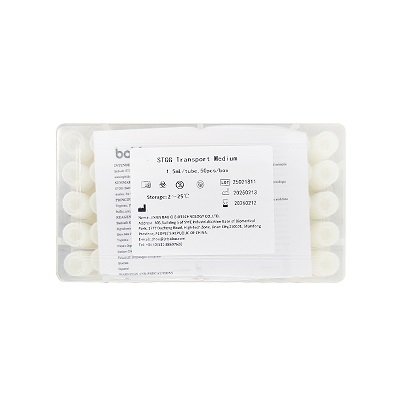
Why Does Sample Stability Matter Before the Testing Even Starts?
I often see buyers focus heavily on detection kits, instruments, or laboratory methods, while transport media receive less attention. That approach can be risky. Even the most advanced testing method depends on the quality of the sample that reaches the laboratory. If the sample is poorly preserved during transportation, the lab may face weak recovery, uncertain results, or unnecessary repeat testing.
In practical use, sample stability matters because collection and testing do not always happen in the same place. Many medical and research workflows involve:
- Specimen collection in clinics, hospitals, or community screening sites
- Temporary refrigerated storage before pickup
- Cold-chain transport between locations
- Delayed laboratory processing during peak testing periods
- Quality control requirements for traceable sample management
When these steps are involved, I would always prefer a transport medium that supports pathogen viability and helps maintain a more controlled sample environment. A dependable STGG Transport Medium can help reduce avoidable sample degradation, especially when cold-chain handling is part of the workflow.
What Should I Look for When Choosing STGG Transport Medium?
When I evaluate STGG Transport Medium, I do not only look at the product name. I look at whether it fits the actual working environment. A product may sound suitable on paper, but the real question is whether it can support the sample journey from collection to testing.
For professional buyers, I would pay attention to the following points:
- Viability support: The medium should help maintain the target organism during transportation and storage.
- Cold-chain suitability: It should perform well under controlled low-temperature sample management conditions.
- Batch consistency: Laboratories need reliable performance from one batch to another.
- Ease of handling: The product should be convenient for collection, storage, labeling, and transport workflows.
- Clear product positioning: Buyers should understand what type of sample management scenario the product is designed for.
In my experience, the most suitable choice is usually the one that matches the complete workflow, not just one isolated requirement. A medium used in a small clinic may face different pressure from one used in a regional testing network. That is why product reliability, packaging logic, and cold-chain compatibility all matter.
Which Pain Points Can a Better Transport Medium Help Solve?
Many laboratories and distributors deal with the same concerns again and again. Samples may travel longer than expected. Storage conditions may vary during handover. Staff may need a product that is easy to use under busy conditions. Procurement teams may also need a supplier that can support stable delivery and repeat purchasing.
A well-selected STGG Transport Medium can help address several common pain points:
| Buyer Concern | Why It Matters | How STGG Transport Medium Helps |
|---|---|---|
| Sample viability loss | Reduced organism recovery may affect testing confidence. | It supports a more suitable environment for maintaining pathogen viability during transport. |
| Cold-chain uncertainty | Samples may be stored or moved under refrigerated conditions before testing. | It is suitable for cold-chain sample management scenarios where controlled handling matters. |
| Delayed processing | Labs may not process every sample immediately after collection. | It helps protect specimens during the time gap between collection and laboratory analysis. |
| Workflow pressure | High-volume testing environments need simple and dependable sample handling. | It supports practical collection, storage, and transportation procedures. |
| Procurement consistency | Distributors and labs need products that can be repeatedly sourced with stable quality. | A professional manufacturer can provide more dependable product supply and technical alignment. |
For me, this is the difference between buying a basic consumable and selecting a workflow-supporting product. The better the medium fits the testing process, the fewer hidden problems appear later.
Is STGG Transport Medium Only About Preservation?
No, I do not think so. Preservation is the foundation, but it is not the full story. A professional STGG Transport Medium also supports sample management discipline. In real testing environments, every small step matters: collection timing, tube handling, labeling, storage temperature, transport duration, and lab intake procedures.
Good transport media help create a bridge between field collection and laboratory testing. This bridge is especially important when samples are collected outside the main laboratory. In such cases, the people collecting the sample may not be the same people processing it. The product needs to be understandable, stable, and suitable for routine use.
That is why I would describe STGG Transport Medium as a practical link in the diagnostic chain. It does not replace laboratory testing, but it helps protect the value of the sample before testing begins.
What Makes This Product Useful for Cold-Chain Sample Management?
Cold-chain sample management is not only about putting a specimen into a refrigerated environment. It is about maintaining a controlled process from collection to delivery. If one part of that process is weak, the final result may become less dependable.
In cold-chain applications, I would expect a transport medium to support:
- Stable sample conditions during refrigerated storage
- Reduced risk of viability loss during transportation
- Compatibility with routine collection and laboratory workflows
- More predictable sample handling across multiple sites
- Better confidence when samples are not tested immediately
This is why STGG Transport Medium is especially relevant for buyers involved in pathogen viability management, clinical sample logistics, epidemiological monitoring, or laboratory supply distribution. The product is not just sitting in the background; it plays a direct role in protecting sample quality before analysis.
Do Professional Buyers Need to Think Beyond the Product Label?
Yes, absolutely. A product label can tell me what the product is, but it cannot tell me everything about whether it is the right choice. I would always look at the manufacturer’s product focus, quality control mindset, and ability to serve professional buyers.
For buyers considering products from Jinan Babio Biotechnology Co., Ltd., the value is not only in the medium itself. The more important point is whether the company understands the needs of laboratories, distributors, and healthcare-related procurement teams. A good supplier should be able to support stable purchasing, clear product communication, and consistent application scenarios.
In my opinion, this matters because transport media are often purchased repeatedly. A buyer does not want to test a new supplier every month. Once a product fits the workflow, the buyer usually wants dependable supply, clear documentation, and responsive communication.
Which Applications Can Benefit from STGG Transport Medium?
Different organizations may use STGG Transport Medium in different ways, but the core purpose remains similar: helping collected samples remain suitable for later testing or study. Based on common laboratory and sample management needs, this type of product can be useful for:
- Clinical specimen transportation
- Pathogen viability preservation before laboratory processing
- Cold-chain sample storage and transfer
- Public health monitoring workflows
- Research sample collection and movement
- Distributor supply for medical and laboratory customers
I would especially recommend paying attention to the full sample journey. If a sample must move across several steps before testing, then the transport medium becomes more important. A low-cost but poorly matched product may create higher downstream costs through sample loss, retesting, or reduced confidence.
How Can I Compare STGG Transport Medium With Ordinary Transport Options?
When comparing STGG Transport Medium with more general transport options, I would not rely on price alone. A cheaper option may look attractive at first, but it may not provide the same level of suitability for pathogen viability and cold-chain management needs.
Here is how I would compare them from a purchasing perspective:
| Comparison Point | Ordinary Transport Option | STGG Transport Medium |
|---|---|---|
| Primary role | Basic sample holding or movement | Designed to support viability-focused sample transportation |
| Cold-chain relevance | May not be optimized for controlled sample logistics | More suitable for refrigerated transport and sample management workflows |
| Laboratory confidence | May create more uncertainty if samples face delays | Helps improve confidence before testing begins |
| Procurement value | Often selected mainly by unit price | Selected for workflow fit, reliability, and professional application value |
This kind of comparison helps buyers avoid a narrow purchasing decision. In sample transportation, the best value is not always the lowest upfront cost. The better value is often the product that protects the sample and supports smoother testing outcomes.
Why Would I Recommend Reviewing Supplier Capability Before Ordering?
I would never separate the product from the supplier. For laboratory-related products, supplier capability directly affects the buying experience. If a product is reliable but the supply is unstable, the buyer still faces risk. If the product description is unclear, the buyer may struggle to match it with the right application. If the supplier cannot respond efficiently, procurement becomes slower than necessary.
That is why I would review several supplier-related factors before placing an order:
- Does the company focus on biotechnology, diagnostic, or laboratory-related products?
- Can the product be matched clearly with sample transportation needs?
- Is the company suitable for repeat purchasing or distributor cooperation?
- Does the supplier communicate product usage scenarios clearly?
- Can the product support professional sample management rather than only basic storage?
For buyers comparing options, these details make a difference. A stable manufacturer can help reduce procurement friction and make product adoption easier for laboratories, distributors, and institutional buyers.
What Is My Final View on Choosing STGG Transport Medium?
My final view is simple: if sample viability matters, the transport medium deserves serious attention. A dependable STGG Transport Medium can help protect sample quality during collection, refrigerated storage, and cold-chain transportation. It supports the practical side of laboratory work, where timing, handling, and consistency all affect final confidence.
For buyers who need a product connected with pathogen viability, cold-chain sample management, and reliable laboratory workflows, I would consider STGG Transport Medium from Jinan Babio Biotechnology Co., Ltd. a practical option worth evaluating. It fits the kind of purchasing decision where performance, usability, and supplier reliability all matter.
If you are looking for a suitable transport medium for laboratory supply, clinical sample logistics, or cold-chain pathogen viability management, now is a good time to discuss your requirements. Leave an inquiry or contact us to learn more about product details, application suitability, and ordering support.