

What to Look for in an Interdental Cleaner If You Have Gum Disease
2026-11-02
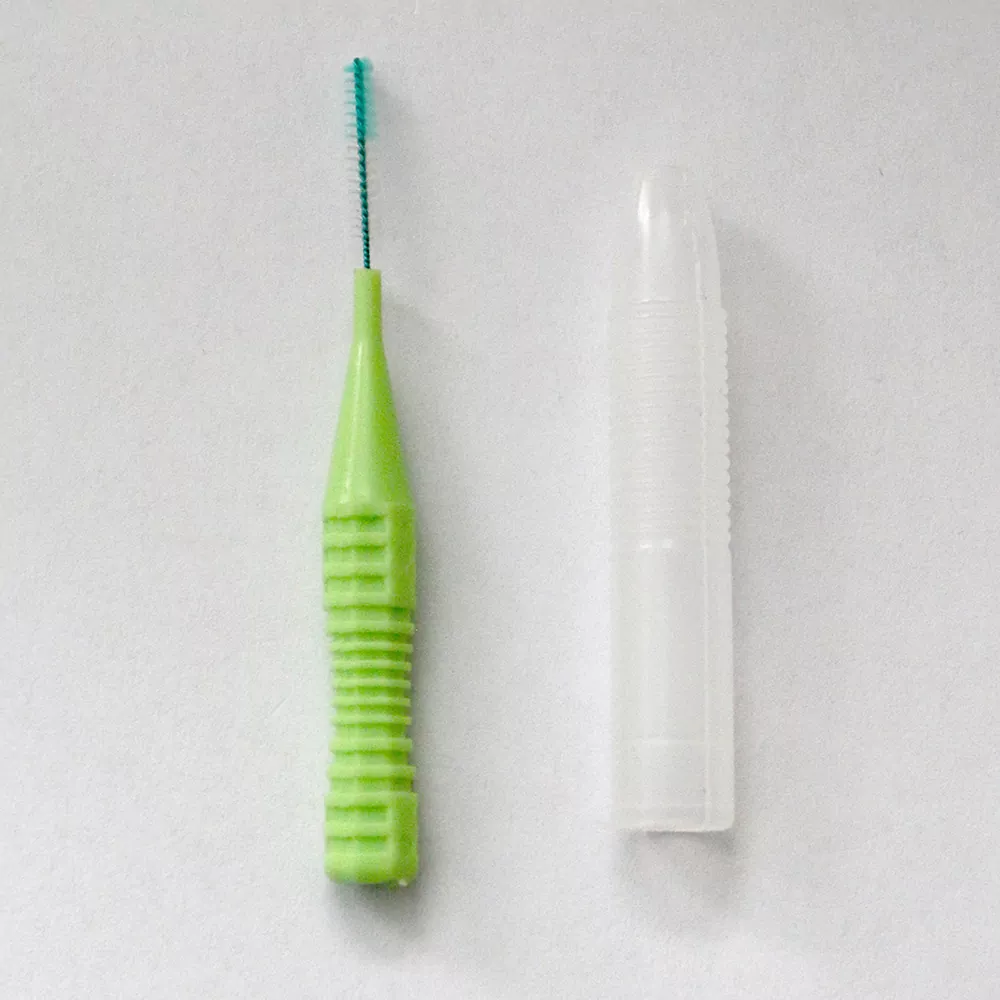
Gum disease changes the way you need to approach daily oral hygiene. When pockets form between teeth and gums, ordinary brushing no longer reaches the bacteria that drive inflammation, and choosing the wrong tool can irritate already sensitive tissue. That is why LucentMed focuses on designing interdental cleaners that support people managing gingivitis and periodontitis rather than simply selling another plastic handle. This guide breaks down the clinical and practical factors that matter when you select an interdental cleaner for gum disease, so you can make a decision grounded in evidence rather than marketing claims.
Clinical Factors That Matter Most
Not every interdental cleaner is appropriate for compromised gums. The following criteria reflect what dental professionals typically evaluate before recommending a device.
-
Soft, flexible bristles or filaments that remove plaque without traumatizing the sulcus
-
Correct size selection matched to each embrasure space, since oversized tools can widen pockets
-
Rounded tips to reduce the risk of nicking the gingival margin
-
Ergonomic, non-slip handles for controlled pressure, especially for patients with reduced dexterity
-
Compatibility with adjunctive therapy, such as chlorhexidine rinses or prescription gels
Comparison of Common Interdental Cleaner Types
| Type | Plaque Removal | Suitability for Gum Disease | Key Consideration |
|---|---|---|---|
| Manual interdental brush | High | Excellent for open embrasures and exposed roots | Must match space size precisely |
| Rubber/elastomeric pick | Moderate | Good for tight contacts and sensitive gums | Gentle but less effective in wide gaps |
| Dental floss | Moderate | Useful for intact papillae | Technique-dependent; can be harsh if snapped |
| Water flosser | Moderate | Helpful adjunct for pocket irrigation | Not a standalone substitute for mechanical disruption |
| Wooden stick | Low to moderate | Limited evidence base | Risk of splintering in fragile tissue |
Practical Selection Checklist
Use this checklist before committing to a product. LucentMed recommends reviewing it with your dental hygienist, who can measure pocket depth and embrasure size directly.
-
Confirm the size range available. A good interdental cleaner line should offer multiple diameters, because one size does not fit every space.
-
Check the filament stiffness. Soft or extra-soft options are preferable during active inflammation.
-
Evaluate the handle design. Look for textured grips and a bendable neck that reaches posterior teeth without forcing.
-
Review clinical or laboratory documentation rather than relying on packaging claims alone.
-
Consider replacement frequency. Worn bristles lose cleaning efficiency, so plan for regular replacement.
Frequently Asked Questions About Interdental Cleaners
Can an interdental cleaner reverse gum disease on its own?
No—an interdental cleaner is an essential adjunct to professional scaling and root planing, but it cannot reverse existing attachment loss without clinical treatment and sustained home care.
How do I know which size interdental cleaner to start with?
Begin with the smallest size that still contacts both tooth surfaces, and ask your hygienist to probe your embrasures so you can size each space individually rather than using one diameter throughout.
Should I use an interdental cleaner before or after brushing?
Use it before brushing so that loosened plaque and debris are swept away by the toothbrush and fluoride toothpaste, and avoid forcing the tool into the sulcus beyond the contact point.
Is bleeding during use a sign I should stop?
Mild bleeding in the first week is common when gums are inflamed, but persistent or heavy bleeding warrants a clinical review to rule out progressing periodontitis.
Building a Sustainable Routine
Consistency matters more than intensity. A daily routine that pairs a correctly sized interdental cleaner with a soft toothbrush and appropriate adjuncts gives your gums the best chance to stabilize. LucentMed supports clinicians and patients with educational resources and product guidance tailored to periodontal care. To discuss which interdental cleaner configuration fits your patients or your own needs, contact us today and our team will help you build a practical, evidence-informed plan.