
Which Double-Ended Endoscope Cleaning Brush Delivers Reliable Cleaning for Medical Instruments?
2026-11-17
Effective endoscope cleaning is an essential part of medical instrument reprocessing. Narrow internal channels, small openings, and complex instrument structures can make removing organic residues particularly challenging. A double-ended endoscope cleaning brush provides a practical cleaning tool designed to help medical professionals reach different surfaces and remove accumulated debris during manual cleaning.
However, selecting an appropriate brush requires more than checking its appearance. Brush diameter, bristle material, shaft flexibility, working length, end configuration, and compatibility with the endoscope all influence cleaning performance. This guide explores the design, applications, advantages, selection criteria, and proper handling of double-ended endoscope cleaning brushes to help healthcare facilities and medical device distributors make informed purchasing decisions.
1. What Is a Double-Ended Endoscope Cleaning Brush?
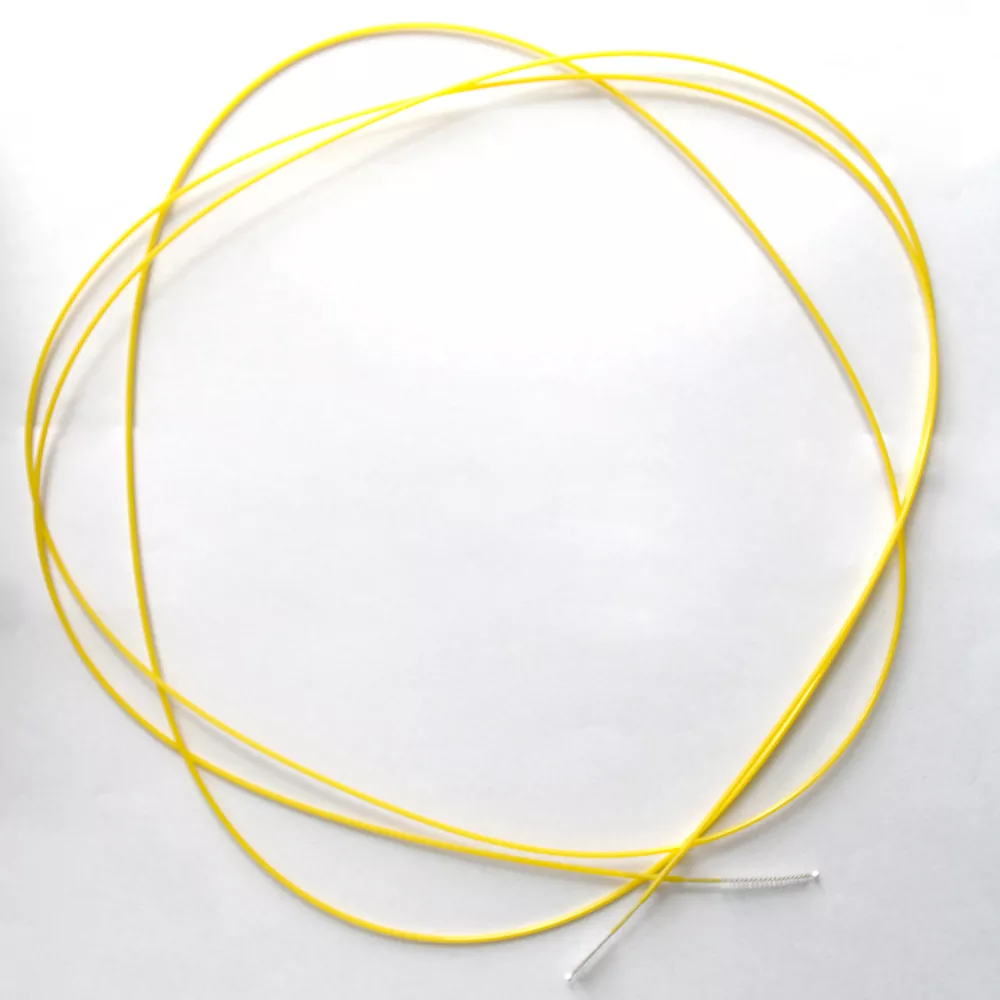
A double-ended endoscope cleaning brush is a specialized manual cleaning accessory designed to remove organic debris and other residues from compatible endoscope channels, ports, openings, and instrument components. As its name suggests, the brush has cleaning elements at both ends of its supporting shaft.
Depending on the product design, the two ends may have different brush diameters, lengths, or configurations. This arrangement can provide greater flexibility when cleaning different openings or components with one cleaning accessory.
Endoscopes are widely used in diagnostic and therapeutic procedures. Their internal channels and narrow structures can retain blood, mucus, tissue residues, and other contaminants after clinical use. Ordinary cleaning cloths cannot reach these internal areas effectively, making appropriately designed channel brushes important tools in manual cleaning procedures.
What Makes a Double-Ended Design Useful?
The main feature is the availability of two cleaning ends on one instrument. When the ends are designed for different applications, healthcare professionals can use the appropriate end for compatible openings and surfaces without changing between separate brushes as frequently.
Depending on the model, a double-ended brush may be designed for:
- Cleaning compatible internal endoscope channels.
- Removing debris from narrow ports and openings.
- Cleaning certain valves and connectors.
- Reaching selected instrument surfaces that require different brush dimensions.
2. How Does a Double-Ended Cleaning Brush Work?
A double-ended endoscope cleaning brush works through controlled mechanical brushing. Its bristles contact the internal surfaces of a compatible channel or opening to loosen organic material and other residues during the manual cleaning stage.
The Basic Cleaning Mechanism
- Channel preparation: The endoscope is prepared according to its manufacturer's reprocessing instructions, including the required pre-cleaning and leak-testing procedures.
- Brush selection: The operator selects the appropriate brush end based on the channel diameter, working length, and instrument configuration.
- Controlled insertion: The brush is carefully introduced through the designated access port using the specified technique.
- Mechanical brushing: The bristles contact the channel walls and help loosen retained organic debris.
- Removal and flushing: The brush is withdrawn as directed by the applicable instructions, and the channel is flushed using the specified cleaning solution and method.
- Inspection: The instrument is inspected to assess cleanliness and identify possible damage before subsequent reprocessing steps.
Why Bristle Contact Matters
Effective mechanical cleaning depends on suitable contact between the bristles and the surfaces being cleaned. A brush that is too small may fail to contact the channel walls adequately, while an oversized brush may be difficult to insert and could damage the instrument.
For this reason, brush diameter and compatibility are critical purchasing considerations. The objective is not to apply maximum force but to achieve appropriate mechanical contact while protecting delicate instrument channels.
3. Why Is Proper Endoscope Cleaning Important?
Endoscopes are complex reusable medical devices that may contain long, narrow internal channels and multiple detachable components. Organic materials can remain inside these areas if manual cleaning is incomplete.
Cleaning is not simply a cosmetic procedure. It is a necessary stage in the reprocessing process because residual biological material can interfere with subsequent high-level disinfection or sterilization procedures.
Common Cleaning Challenges
Narrow and extended passages make it difficult to reach internal surfaces using conventional cleaning tools.
Blood, mucus, tissue, and other materials may adhere to internal surfaces after clinical procedures.
Improper brush dimensions or excessive insertion force can damage sensitive channels.
Cleaning delays may allow biological residues to dry and become more difficult to remove.
According to the CDC's recommendations for flexible endoscope reprocessing, accessible channels should be flushed and brushed as specified in the manufacturer's instructions before high-level disinfection or sterilization.
FDA guidance also emphasizes that reusable medical devices require appropriate cleaning and reprocessing between uses to reduce the risk associated with retained biological contamination.
4. Key Features and Structural Components
The overall performance of a double-ended endoscope cleaning brush depends on several structural elements. Understanding these components helps buyers compare different products and identify the specifications that matter most.
4.1 Dual Cleaning Heads
The two brush heads provide cleaning surfaces at both ends of the shaft. Depending on the configuration, they may have matching or different diameters to accommodate specified cleaning requirements.
4.2 Bristles
Bristles are responsible for contacting the surface and mechanically loosening debris. Their material, density, length, and arrangement influence cleaning effectiveness and the risk of damaging the instrument.
4.3 Flexible Shaft
The shaft connects the two brush ends and provides the necessary working length. A suitable shaft should offer sufficient flexibility for the intended application while maintaining the structural integrity required for controlled handling.
4.4 Protective Brush Connections
The connection between each brush head and the shaft should be secure. Loose brush heads or detached bristles can compromise the cleaning process and create additional contamination concerns.
| Component | Main Function | Important Considerations |
|---|---|---|
| First Brush Head | Provides mechanical cleaning for compatible openings. | Diameter, bristle arrangement, and length. |
| Second Brush Head | Offers an additional cleaning configuration. | Compatibility with other designated surfaces. |
| Bristles | Loosen and remove surface debris. | Material, density, flexibility, and retention. |
| Supporting Shaft | Connects the brush heads and provides working length. | Flexibility, strength, and dimensions. |
| Brush Connections | Secure the cleaning heads to the shaft. | Attachment strength and structural consistency. |
5. Common Medical Applications
Double-ended cleaning brushes may be used in different medical instrument cleaning environments, provided the brush design is compatible with the equipment being reprocessed.
5.1 Gastrointestinal Endoscopy
Gastrointestinal endoscopes contain internal channels and various access openings that require careful manual cleaning. Appropriate brushes help remove residual biological material from accessible areas according to the device-specific cleaning instructions.
5.2 Bronchoscopy
Bronchoscopes are used to examine the respiratory tract. Their channel dimensions and structural requirements vary by model, so the selected cleaning brush must match the specific instrument's instructions and channel specifications.
5.3 Medical Instrument Accessories
Some cleaning brush designs are intended for compatible connectors, ports, valves, and detachable accessories. A dual-ended configuration may provide different brush sizes for designated cleaning areas.
5.4 Hospital Central Sterile Supply Departments
Central sterile supply departments and endoscope reprocessing units handle large numbers of medical instruments. Consistent cleaning accessories can help staff follow standardized procedures and manage routine supplies.
5.5 Medical Device Distribution
Medical device distributors and healthcare procurement companies may source double-ended brushes as part of a broader range of endoscope cleaning accessories. Consistent specifications, product documentation, and dependable supply are important for these purchasing channels.
6. How to Choose the Right Double-Ended Endoscope Cleaning Brush
Selecting the correct brush requires matching its specifications to the endoscope's cleaning requirements. A brush that looks suitable may still be incompatible with a particular channel or instrument model.
6.1 Check the Brush Diameter
Diameter is one of the most important selection factors. The brush should provide appropriate bristle contact without creating excessive resistance during insertion or withdrawal.
Buyers should confirm:
- The internal diameter of the target channel.
- The recommended brush diameter for that channel.
- The dimensions of both brush heads.
- Whether different brush ends are intended for different openings.
6.2 Confirm the Working Length
The shaft length must be suitable for the full length of the channel or cleaning area specified by the endoscope manufacturer. An insufficient working length may prevent complete access to the intended area.
6.3 Evaluate Bristle Characteristics
Bristles should provide appropriate cleaning contact while avoiding unnecessary abrasion. Their material and construction should also be compatible with the intended cleaning process.
6.4 Assess Shaft Flexibility
A flexible shaft can facilitate controlled movement through compatible instrument channels. However, excessive flexibility or insufficient structural strength may make handling difficult.
6.5 Confirm Product Compatibility
Always check the endoscope manufacturer's instructions for use (IFU). A cleaning brush should only be used for instrument models and channels for which it is approved or specified.
| Selection Factor | What to Check | Potential Problem if Incorrect |
|---|---|---|
| Brush Diameter | Compatibility with the channel size. | Insufficient contact or excessive insertion resistance. |
| Working Length | Required channel cleaning distance. | Incomplete access to the intended cleaning area. |
| Bristle Material | Material compatibility and cleaning characteristics. | Premature wear or damage to instrument surfaces. |
| Shaft Material | Flexibility and mechanical strength. | Difficult handling or structural failure. |
| End Configuration | Intended function of each brush head. | Using an unsuitable end for the target opening. |
| Product Instructions | Single-use or reusable designation and handling requirements. | Improper reuse or reprocessing. |
7. Materials and Manufacturing Considerations
Material selection influences brush durability, flexibility, cleaning performance, and compatibility with the intended use environment. Medical cleaning accessories should be manufactured with consistent material quality and controlled assembly processes.
7.1 Nylon Bristles
Nylon is commonly used in medical cleaning brushes because it can provide a useful combination of flexibility, resilience, and mechanical cleaning capability. The actual performance depends on the nylon grade, bristle diameter, arrangement, and manufacturing process.
For endoscope cleaning, the bristles must be suitable for the intended channel and should not shed, deform excessively, or detach during use.
7.2 Polymer Shaft Materials
Polymer materials may be used for brush shafts because of their flexibility, lightweight characteristics, and manufacturing versatility. The selected material should maintain suitable mechanical properties throughout the intended use conditions.
7.3 Connection and Assembly Quality
Secure attachment between the brush heads and supporting shaft is essential. Manufacturing inspection should evaluate the connection, bristle retention, shaft integrity, and overall appearance.
7.4 Product Consistency
For hospitals and distributors purchasing in bulk, consistent brush diameter, length, material, and packaging are important. Variation between production batches can create unnecessary difficulties in inventory management and instrument compatibility.
8. Proper Use and Cleaning Procedures
Correct handling is essential for achieving the intended cleaning result while protecting expensive medical instruments. The exact procedure must always follow the endoscope manufacturer's IFU and the cleaning brush manufacturer's instructions.
Step 1: Prepare the Instrument
Begin the reprocessing procedure within the timeframe specified by the endoscope manufacturer. Follow the required point-of-use pre-cleaning instructions to help prevent biological materials from drying on the instrument.
Step 2: Perform the Required Leak Test
For flexible endoscopes requiring leak testing, perform the test according to the manufacturer's instructions before manual cleaning. Instruments that fail the required test should be removed from service and handled according to the facility's procedures.
Step 3: Select the Correct Brush
Check the endoscope model, channel dimensions, and cleaning requirements. Select the appropriate brush diameter, working length, and brush end.
Step 4: Perform Controlled Brushing
Introduce the brush through the designated access point using the specified technique. Move it carefully through the compatible channel without applying excessive force. Follow the brush and endoscope instructions regarding insertion and withdrawal.
Step 5: Flush and Rinse
After brushing, flush the channel with the recommended cleaning solution or water according to the applicable IFU. The cleaning process should remove loosened residues from the channel.
Step 6: Inspect the Instrument
Inspect accessible surfaces and accessories for remaining debris or damage. Additional cleaning should be performed when necessary and permitted by the manufacturer's instructions.
Step 7: Continue the Reprocessing Procedure
Once manual cleaning and inspection are complete, proceed with the specified high-level disinfection or sterilization process, as appropriate for the instrument and its intended use.
9. Common Problems and Practical Solutions
Choosing or handling an unsuitable cleaning brush can create problems for healthcare staff. Understanding common issues helps procurement teams and operators identify more suitable products.
| Common Problem | Possible Cause | Recommended Solution |
|---|---|---|
| Brush Is Difficult to Insert | Incorrect diameter, channel obstruction, or unsuitable technique. | Stop and verify compatibility and channel condition. |
| Insufficient Cleaning Contact | Brush diameter or bristle configuration is unsuitable. | Confirm the recommended brush specifications. |
| Bristles Become Deformed | Excessive force, unsuitable use, or product wear. | Stop using damaged brushes and replace them as required. |
| Brush Head Becomes Loose | Connection damage or manufacturing defect. | Remove the product from use and inspect the equipment. |
| Residues Remain in the Channel | Incomplete brushing, inadequate flushing, or incorrect cleaning procedure. | Repeat the approved cleaning procedure and inspect again. |
| Brush Shaft Kinks | Excessive bending or incorrect handling. | Follow the recommended insertion technique and replace damaged products. |
One important point is that repeated cleaning problems should not automatically be attributed to the brush itself. Instrument damage, channel obstruction, incorrect detergent concentration, water quality, and deviations from the reprocessing procedure may also affect the final result.
10. Double-Ended vs. Single-Ended Endoscope Cleaning Brushes
Both double-ended and single-ended cleaning brushes are used in medical instrument cleaning. Their suitability depends on the endoscope design, the cleaning task, and the dimensions of the target channel.
| Comparison | Double-Ended Brush | Single-Ended Brush |
|---|---|---|
| Brush Configuration | Cleaning heads at both ends. | One cleaning head. |
| Cleaning Options | May provide two different brush configurations. | Designed for a specified cleaning application. |
| Product Handling | Requires selection of the appropriate end. | Uses one designated brush end. |
| Application Flexibility | Depends on the dimensions and functions of both ends. | Depends on the specific brush design. |
| Selection Priority | Both brush heads must match their intended applications. | The single brush head must match the target channel. |
A double-ended design may be convenient when its two brush heads meet different cleaning requirements. However, it should not be assumed that one double-ended brush can replace every specialized cleaning accessory.
Medical facilities should choose products according to instrument compatibility, approved cleaning procedures, and actual operational requirements rather than product configuration alone.
11. What Should Medical Buyers Check Before Ordering?
For hospitals, medical equipment distributors, and healthcare procurement companies, selecting a reliable cleaning brush supplier requires evaluating both product specifications and supply capabilities.
11.1 Product Specifications
Before ordering, confirm that the brush meets the intended application requirements. Product dimensions and material information should be clearly documented.
11.2 Manufacturing Quality Control
Brush consistency is important for repeat orders and large-volume procurement. Buyers should pay attention to bristle attachment, shaft dimensions, brush-head alignment, and overall workmanship.
11.3 Packaging and Traceability
Medical cleaning accessories should have packaging and labeling appropriate to their intended use. Check product identification, lot information where applicable, storage conditions, and use instructions.
11.4 Single-Use or Reusable Design
Do not assume that all endoscope cleaning brushes can be reused. Some are specifically labeled for single use, while others may have validated reuse and reprocessing instructions. Buyers should confirm the intended use and follow the applicable labeling.
11.5 Supplier Communication
A responsive manufacturer should be able to provide clear product information and discuss the required dimensions, packaging, and intended applications before production or shipment.
- Confirm the intended endoscope model and cleaning application.
- Verify both brush-head diameters and dimensions.
- Confirm the required overall working length.
- Check bristle and shaft material specifications.
- Review brush-head attachment and product integrity.
- Confirm single-use or reusable labeling.
- Request applicable product documentation and instructions.
- Discuss packaging, order quantities, and delivery requirements.
Providing detailed specifications at the quotation stage can reduce product selection errors and make communication between buyers and manufacturers more efficient.
12. Frequently Asked Questions
Q1. What is a double-ended endoscope cleaning brush used for?
It is used to help remove organic debris and other residues from compatible endoscope channels, ports, valves, and instrument openings during manual cleaning. The appropriate brush end must match the designated cleaning area.
Q2. What is the main advantage of a double-ended cleaning brush?
Its main advantage is having two cleaning heads on one supporting shaft. Depending on the design, the heads may provide different diameters or configurations for specified cleaning applications.
Q3. Are both ends of a double-ended brush the same size?
Not necessarily. Some products have matching brush heads, while others use different diameters or configurations. Buyers should check the manufacturer's product specifications before ordering.
Q4. Which bristle material is commonly used in endoscope cleaning brushes?
Nylon is commonly used because it can provide suitable flexibility and mechanical cleaning characteristics. The appropriate material and bristle design depend on the intended application and instrument compatibility requirements.
Q5. How do I choose the correct brush diameter?
Check the internal channel diameter and the endoscope manufacturer's recommended brush specifications. The selected brush should provide appropriate bristle contact without excessive resistance or damage to the channel.
Q6. Can a double-ended endoscope cleaning brush be reused?
It depends on the product labeling. Single-use brushes must be discarded after use. Reusable models may only be cleaned and reprocessed according to their validated instructions and the applicable endoscope reprocessing procedures.
Q7. Can an endoscope cleaning brush disinfect medical instruments?
No. A cleaning brush provides mechanical cleaning to help remove debris. It does not replace high-level disinfection or sterilization. The complete reprocessing procedure must be followed.
Q8. How often should an endoscope cleaning brush be replaced?
For single-use products, replacement is required after each use. For reusable products, follow the manufacturer's validated reuse limits and inspection criteria. Damaged, deformed, or defective brushes should not be used.
Q9. What should I do if a cleaning brush cannot pass through an endoscope channel?
Do not force it. Stop the procedure and check the brush diameter, channel compatibility, and possible obstruction. Follow the endoscope manufacturer's troubleshooting instructions before continuing.
Q10. What information should be provided when requesting a quotation?
Provide the required brush-head diameters, overall length, bristle material, shaft specifications, intended endoscope application, packaging requirements, and estimated order quantity. Reference samples or technical drawings can also help clarify requirements.
Conclusion: Choosing a Reliable Endoscope Cleaning Solution
A double-ended endoscope cleaning brush is a practical accessory for supporting the manual cleaning of compatible medical instruments. Its dual-head configuration can provide additional cleaning flexibility, while suitable bristle materials, shaft dimensions, and manufacturing quality contribute to consistent product performance.
However, effective endoscope cleaning depends on more than the brush itself. Correct product selection, compatibility with the endoscope, proper handling, flushing, inspection, and the complete reprocessing procedure are all essential considerations.
For hospitals, medical equipment distributors, and professional procurement teams, working with a qualified medical cleaning accessory manufacturer can help simplify product sourcing and ensure that the selected specifications match the intended application.
Looking for a Reliable Endoscope Cleaning Brush Manufacturer?
Qingdao Lushua Medical Technology Co., Ltd. focuses on medical cleaning products and solutions for professional healthcare applications.
Whether you are sourcing double-ended endoscope cleaning brushes, developing a medical consumables product range, or looking for a dependable manufacturing partner, clear product specifications and reliable supplier communication are essential.
Contact us to discuss your product requirements, brush dimensions, material preferences, packaging needs, and bulk purchasing plans. We look forward to exploring suitable product solutions for your business.
Contact Us