
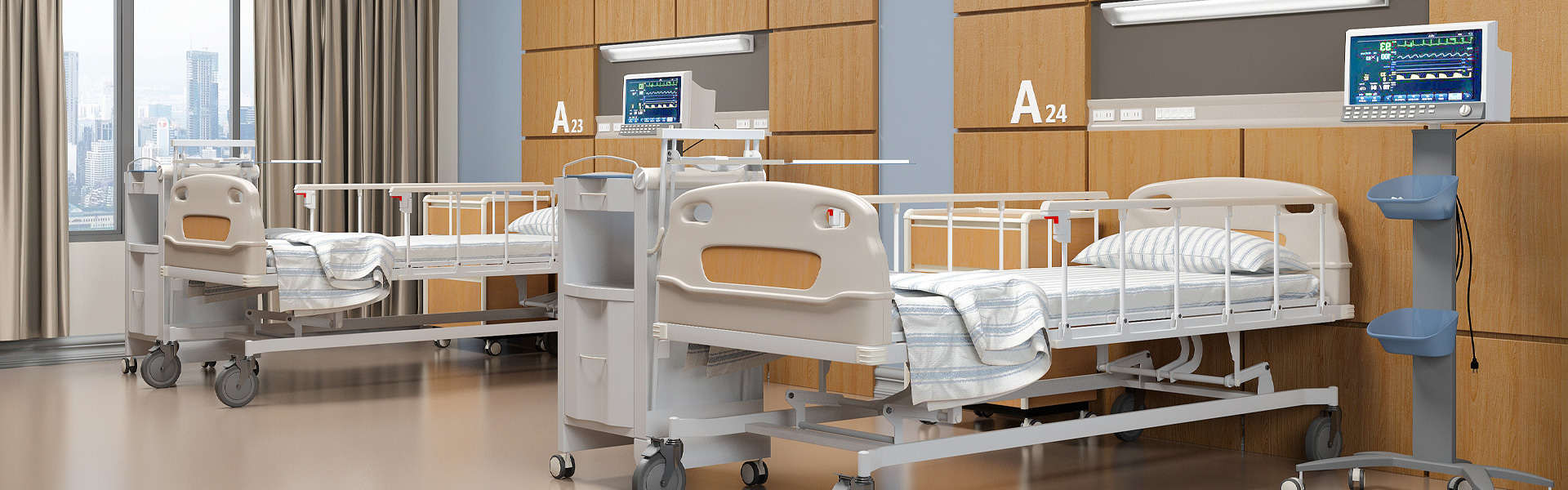
Medical gas pipelines are among the most important hidden infrastructure systems in a healthcare facility. They quietly deliver essential gases and vacuum services to operating rooms, intensive care units, emergency departments, patient wards, dental areas and other clinical environments. When designed or maintained poorly, however, even a small pipeline problem can create operational disruption, equipment issues and serious safety concerns.
Why Medical Gas Pipelines Matter in Modern Healthcare
In a hospital, oxygen, medical air, vacuum and other clinical gases are not ordinary utilities. They can be directly connected to patient care, anesthesia equipment, respiratory support devices, surgical instruments and other critical applications. For that reason, the distribution network must deliver the intended gas at the required location, pressure and quality without introducing avoidable risks.
A medical gas pipeline system typically connects a central or local supply source with terminal units positioned where healthcare professionals need them. This arrangement reduces dependence on moving individual cylinders around the facility and allows clinical spaces to have convenient access to dedicated services.
The key principle is simple: the pipeline is not merely a plumbing network. It is part of the healthcare infrastructure and should be planned around patient-care requirements, equipment demand, operational continuity and applicable local regulations.
Current healthcare guidance emphasizes the importance of proper design, installation, validation, verification and operational management. NHS England's HTM 02-01, for example, specifically addresses medical gas pipeline systems across these stages, while NFPA 99 provides risk-based requirements for healthcare facilities in jurisdictions where it applies.
Core Components of a Medical Gas Pipeline System
Understanding the system as a complete network makes it easier to identify potential weak points. Although configurations vary according to facility size and local requirements, a medical gas pipeline installation commonly includes the following elements:
| Component | Main Function | Important Consideration |
|---|---|---|
| Gas source | Provides the medical gas or vacuum service. | Capacity, redundancy, location and accessibility must match the facility's needs. |
| Pipeline | Distributes the service throughout the facility. | Material, sizing, routing, cleanliness and identification are critical. |
| Valves | Allow sections of the system to be isolated. | Valve locations should support safe maintenance and emergency response. |
| Pressure regulation | Maintains appropriate delivery conditions. | Regulators and associated equipment should be selected for the intended service. |
| Alarms | Provide warnings about abnormal system conditions. | Alarm locations and monitoring arrangements should suit facility operations. |
| Terminal units | Provide clinical connection points. | Gas-specific connections help prevent incorrect connections. |
| Testing points | Support inspection and verification. | They should be accessible and incorporated into the overall maintenance strategy. |
The interaction between these components matters just as much as the quality of each individual part. A high-quality terminal unit cannot compensate for poor pipeline sizing, and a well-designed pipeline cannot compensate for an unreliable source arrangement.
How System Design Affects Reliability
Many medical gas pipeline problems begin before installation. A system that looks acceptable on a drawing may perform poorly if the actual clinical demand, future expansion or maintenance requirements have not been considered.
1. Start With Actual Clinical Demand
The first step is to understand where gases will be used and how heavily they may be used simultaneously. Intensive care, operating rooms, emergency departments and other high-dependency areas can have very different demand profiles.
Designers should consider both current requirements and reasonable future expansion. Oversizing every component is not automatically the answer; instead, the system should be engineered around documented demand, pressure requirements, applicable standards and the facility's operational strategy.
2. Plan the Pipeline Route Carefully
Routing should balance short distribution paths with accessibility, building constraints and future maintenance. Crowded ceiling spaces can make a theoretically efficient route extremely difficult to inspect or repair.
Clear zoning also helps maintenance teams isolate a section without unnecessarily disrupting unrelated clinical areas.
3. Prevent Cross-Connection Risks
Gas identification is fundamental. Medical gas systems are designed around gas-specific connections and controls so that the intended gas reaches the intended point of use. Cross-connection prevention should be considered throughout design, installation and verification rather than treated as a final inspection item.
4. Consider Emergency Conditions
Healthcare infrastructure must continue to support patient care during abnormal situations. Source redundancy, reserve capacity, accessible isolation valves and appropriate alarms can become particularly important when the primary supply or a pipeline section is unavailable.
Installation Details That Should Not Be Overlooked
Installation quality directly affects the reliability of a medical gas pipeline system. Even when engineering drawings are excellent, workmanship can introduce problems that are difficult to identify once walls and ceilings have been closed.
Materials should be suitable for the intended medical gas service and handled in a way that protects cleanliness and integrity.
Contamination control matters because internal pipeline cleanliness can affect the quality and safety of the delivered service.
Pipes, valves and connection points should be clearly identified according to the applicable project requirements.
Isolation points should be positioned so authorized personnel can identify and operate them safely during maintenance or emergency situations.
Another common mistake is treating documentation as something to complete after construction. As-built information, valve schedules, test records and equipment information become extremely valuable once the facility is operational. Good documentation can shorten troubleshooting time and reduce uncertainty during future modifications.
Testing, Validation and Verification: The Stage That Proves the System
A medical gas pipeline should not be considered ready simply because installation work is finished. Testing and verification provide evidence that the completed system performs as intended.
Depending on the applicable standards and project requirements, verification activities can address areas such as gas identity, pressure, leakage, pipeline integrity, alarm operation, terminal-unit performance and cross-connection prevention.
Practical lesson: every test result should be traceable to the relevant part of the installation. A clear record makes it easier for facility engineers, contractors and inspectors to understand what was tested and what condition the system was in at handover.
Healthcare projects can also involve multiple parties, including architects, mechanical contractors, medical gas specialists, facility engineers and equipment suppliers. Clear responsibility boundaries are therefore essential. A technically sound project can still become difficult to manage when nobody knows who is responsible for a particular test, document or corrective action.
Why Medical Gas Pipeline Maintenance Cannot Be an Afterthought
Once a healthcare facility begins operation, the pipeline becomes part of the building's permanent critical infrastructure. Maintenance should therefore be planned as an ongoing process rather than a reaction to failures.
Recommended Maintenance Focus Areas
- Monitor system pressure and investigate unusual changes promptly.
- Inspect visible pipeline components and connection points for damage or deterioration.
- Verify that valves remain identifiable and accessible.
- Check alarm systems according to the facility's maintenance program.
- Inspect terminal units and associated components for wear or damage.
- Maintain accurate records of inspections, repairs and modifications.
- Review system performance after major building extensions or clinical changes.
- Ensure maintenance work is carried out by appropriately qualified personnel.
Preventive maintenance is especially important because many pipeline components are hidden above ceilings or inside service areas. Waiting until a clinical complaint appears can turn a small maintenance issue into a much larger operational problem.
Common Medical Gas Pipeline Problems and Practical Solutions
| Common Challenge | Potential Cause | Practical Response |
|---|---|---|
| Unexpected pressure fluctuation | Demand changes, regulation issues, leaks or source limitations. | Review demand, inspect the affected zone and verify pressure-control equipment. |
| Difficulty locating an isolation valve | Poor labeling or inadequate documentation. | Improve identification, update drawings and maintain accessible valve schedules. |
| Terminal unit connection problems | Wear, damage, contamination or incorrect component selection. | Inspect the terminal unit and replace components using compatible products. |
| Maintenance causes excessive disruption | Poor zoning or insufficient isolation planning. | Review pipeline zoning and plan maintenance around clinical operations. |
| Unclear system history | Incomplete handover documents or undocumented modifications. | Rebuild records and establish a controlled documentation process. |
| Repeated component failures | Incorrect specification, unsuitable environment or poor installation. | Investigate the root cause instead of repeatedly replacing the same component. |
The important point is to distinguish symptoms from root causes. Replacing a faulty component may restore operation temporarily, but repeated failures usually indicate that the underlying design, installation, operating condition or maintenance process deserves closer investigation.
Important Points When Choosing a Medical Gas Pipeline Supplier
Choosing a supplier for medical gas infrastructure should not be based only on purchase price. A lower initial quotation can become expensive if products are difficult to maintain, documentation is incomplete or components are poorly matched to the application.
Before placing an order, healthcare project teams can evaluate suppliers using the following checklist:
- Application knowledge: Does the supplier understand medical gas environments and clinical use cases?
- Product compatibility: Are the proposed components suitable for the intended gas service?
- Documentation: Can the supplier provide clear product specifications and supporting documents?
- Quality control: Is there a consistent process for manufacturing and inspection?
- Customization: Can the supplier accommodate project-specific requirements when necessary?
- Communication: Can technical questions be answered clearly before installation?
- After-sales support: Is assistance available when replacement or troubleshooting is required?
The best supplier relationship is not simply transactional. Medical gas projects often involve detailed specifications, drawings, equipment schedules and installation constraints. Early technical communication can prevent incorrect product selection and reduce costly changes later.
How WeClearMed Can Support Medical Gas Infrastructure
WeClearMed focuses on medical and healthcare-related equipment solutions, making technical understanding and application suitability important parts of the purchasing process.
For medical gas pipeline projects, the practical goal is not simply to obtain a pipe, valve or terminal component. The more important objective is to ensure that the selected equipment fits the overall system, project specifications and intended clinical environment.
A professional supplier can help project teams clarify product specifications, connection requirements, application conditions and documentation before an order is finalized. This becomes particularly valuable for international projects where different regions may apply different codes, standards and approval procedures.
For project teams: prepare the gas type, terminal-unit requirements, operating conditions, installation environment, quantity, drawings and applicable local requirements before requesting a quotation. The more complete the technical information, the easier it is for a supplier to recommend a suitable solution.
WeClearMed can therefore be considered as part of a broader procurement workflow in which product selection, technical communication, documentation and long-term usability are considered together.
Medical Gas Pipeline FAQ
What is a medical gas pipeline system?
A medical gas pipeline system is a dedicated distribution network used to deliver medical gases, medical air, vacuum or other approved healthcare services from a source to designated points of use. It normally includes pipelines, valves, controls, alarms and terminal units.
Which gases can be distributed through medical gas pipelines?
Depending on the facility and applicable requirements, systems may distribute services such as oxygen, medical air, nitrous oxide, carbon dioxide, nitrogen and medical vacuum. The actual services required should be determined by the clinical application and local standards.
Why is gas-specific connection design important?
Gas-specific connection arrangements help reduce the possibility of connecting the wrong gas service to equipment. This is one of the reasons correct identification, installation and verification are essential throughout a medical gas project.
How often should medical gas pipelines be maintained?
There is no single maintenance interval that applies to every facility worldwide. Maintenance should follow the applicable regulations, manufacturer instructions, facility risk assessment and documented maintenance program.
What should be checked before purchasing medical gas pipeline components?
Check the intended gas service, connection type, pressure requirements, material suitability, installation environment, applicable standards, documentation, compatibility with existing equipment and supplier technical support.
Can an existing medical gas pipeline system be expanded?
Expansion may be possible, but it should be professionally assessed before work begins. The existing source capacity, pipeline sizing, pressure performance, zoning, isolation arrangements and regulatory requirements should all be reviewed before adding new clinical areas.
Why is documentation important for medical gas systems?
Accurate documentation helps facility teams understand the system layout, identify valves and equipment, perform maintenance and investigate problems. It also provides useful evidence during inspection, modification and future expansion.
Building a Medical Gas Pipeline System That Performs Beyond Installation Day
Medical gas pipelines are easy to overlook because much of the infrastructure remains hidden behind walls, ceilings and service panels. Yet their importance becomes obvious when a clinical area depends on reliable oxygen, medical air or vacuum.
A dependable system starts with realistic demand analysis and continues through careful engineering, appropriate components, disciplined installation, comprehensive testing, accurate documentation and preventive maintenance. Each stage supports the next. When one stage is neglected, the entire system can become harder to operate and maintain.
For healthcare facilities, contractors and medical equipment distributors, the smartest approach is to treat medical gas infrastructure as a long-term system rather than a collection of individual products. Working with experienced suppliers and clearly communicating project requirements can help reduce procurement mistakes, installation delays and avoidable maintenance problems.
Need Reliable Medical Gas Pipeline Solutions?
Whether you are planning a new healthcare facility, upgrading an existing medical gas network or sourcing compatible medical gas components, clear technical communication is the first step toward a dependable solution. Talk with WeClearMed about your project requirements and let our team help you identify suitable medical equipment solutions.
Contact UsNote: Medical gas pipeline design, installation, testing and maintenance should always be performed by appropriately qualified professionals and in accordance with the standards, regulations and authority requirements applicable to the project location.