
Why Does a Nasopharyngeal Swab Cause Discomfort During the Procedure
2026-03-13
If you have ever undergone a respiratory infection test, you are likely familiar with the distinct sensation of a Nasopharyngeal swab. At Babio, we frequently receive questions regarding the level of discomfort associated with this diagnostic procedure. Understanding the anatomical and physiological reasons behind this sensation can help alleviate anxiety and improve patient cooperation.
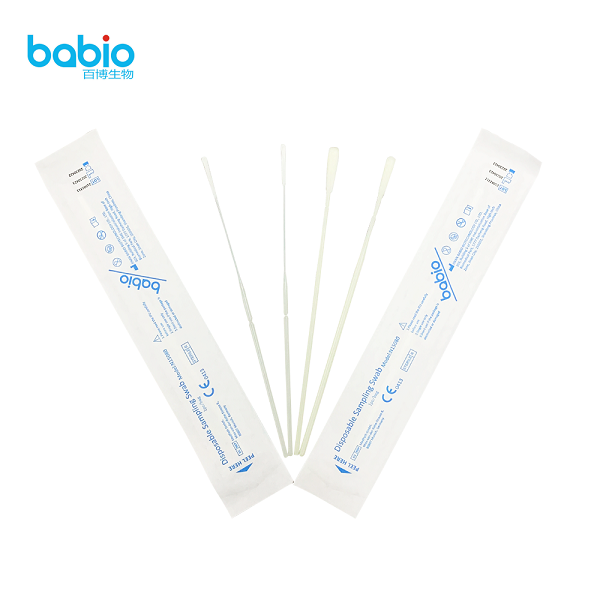
The primary reason for the discomfort is the path the swab must travel. Unlike a simple anterior nasal swab, a Nasopharyngeal swab must reach the upper part of the throat, behind the nose. This area is densely packed with nerve endings and blood vessels, making it highly sensitive to touch.
| Anatomical Factor | Physiological Response |
|---|---|
| Trigeminal Nerve Stimulation | The swab activates the trigeminal nerve, which triggers a reflexive tearing (watering eyes) and a withdrawal response. |
| Vagus Nerve Irritation | Contact with the posterior pharynx can stimulate the vagus nerve, leading to a gag reflex. |
| High Vascularization | The nasopharynx has a rich blood supply; contact can cause a brief, sharp pinching sensation. |
Furthermore, the procedure requires the swab to remain in place for several seconds to absorb sufficient secretions. This prolonged contact, combined with the natural reaction to a foreign object, is why the Nasopharyngeal swab is often described as uncomfortable rather than painful. Babio utilizes flexible, thin swabs designed to minimize this trauma while ensuring sample adequacy.
Nasopharyngeal swab FAQ: Common Questions Answered
What does a Nasopharyngeal swab actually feel like?
Most patients describe the sensation as a strong tickle or a need to sneeze, followed immediately by a gagging feeling and watery eyes. It is often compared to getting water up your nose while swimming, but it is localized deeper in the nasal cavity. The intense sensation usually subsides within 30 to 60 seconds after the swab is removed. At Babio, we prioritize patient comfort by using swabs with flexible shafts to navigate the nasal passage more gently.
Can the Nasopharyngeal swab cause any damage or bleeding?
While the procedure is generally safe, minor trauma can occur. Because the nasal mucosa is delicate and highly vascular, it is possible to experience a small nosebleed (epistaxis) or slight irritation afterward. This is usually temporary and resolves on its own. The risk is minimized when the Nasopharyngeal swab is performed correctly by a trained professional. Babio designs its collection devices with rounded tips to reduce the risk of mucosal injury.
How can I make the Nasopharyngeal swab process less uncomfortable?
Preparation is key to reducing discomfort. Remaining still and breathing slowly through your mouth during the procedure helps relax the throat muscles. Tilting your head back slightly can also create a straighter path for the swab. It is important to communicate any history of nasal obstructions or recent surgery to the healthcare provider beforehand. Babio is committed to researching ergonomic designs that make the Nasopharyngeal swab process as tolerable as possible for patients of all ages.
Contact Us
Do you have more questions about our diagnostic products or the science behind sample collection? We are here to help. For more information on how Babio is advancing respiratory health testing, please contact us today to speak with our product specialists.