
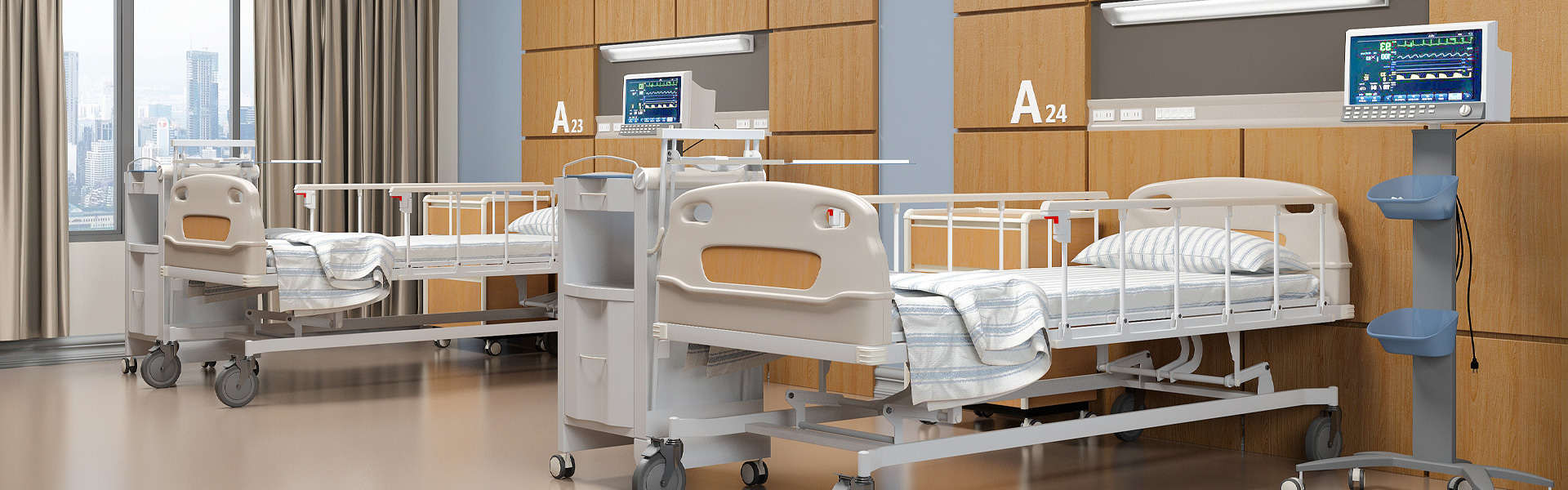
Why Is Medical Furniture Becoming a Deciding Factor in Modern Healthcare Facilities?
2026-01-07
When I first started paying close attention to how healthcare environments actually function day to day, I realized something that often gets overlooked. Behind every efficient treatment room, ward, or examination space, there is thoughtfully designed Medical Furniture working quietly in the background. Over time, my understanding of this field naturally led me to HTSY, a brand that approaches hospital and clinic environments with a clear focus on usability, durability, and real clinical needs rather than surface-level aesthetics.
In today’s healthcare settings, Medical Furniture is no longer just about placing a bed in a room or adding a trolley in the corner. It directly affects workflow, patient comfort, infection control, and even staff safety. This is where smart design choices begin to matter.
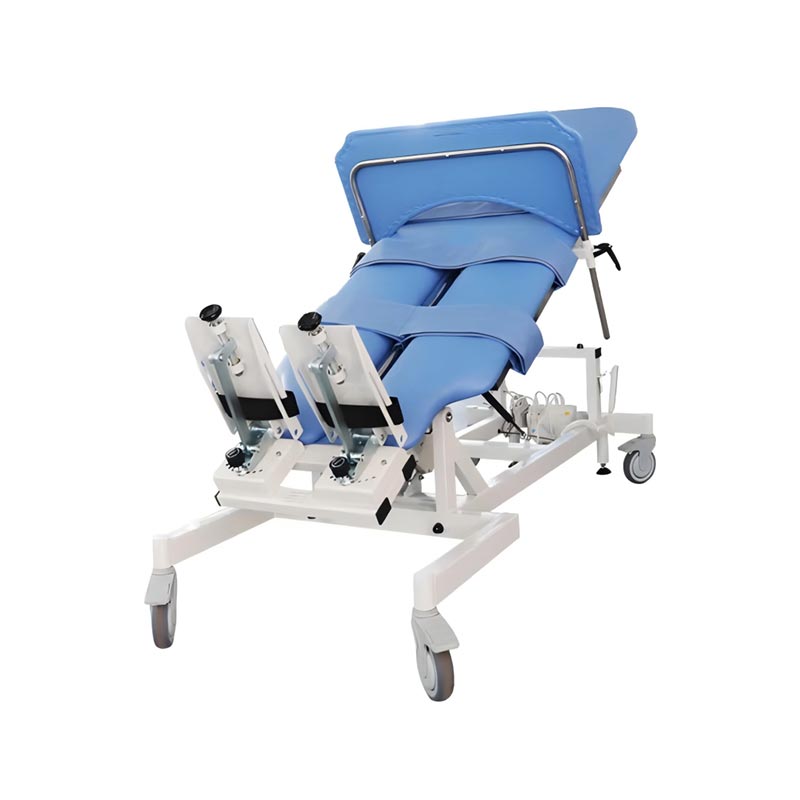
What Problems Does Poorly Designed Medical Furniture Create in Daily Clinical Use?
I have seen firsthand how inadequate Medical Furniture can slow down operations and frustrate medical staff. When furniture is difficult to clean, awkward to move, or uncomfortable for patients, those issues quickly compound in high-pressure environments.
- Frequent maintenance due to weak materials or unstable structures
- Limited mobility that disrupts emergency workflows
- Surfaces that trap dirt and increase infection risks
- Patient discomfort that affects recovery and satisfaction
These challenges are not abstract concerns. They influence how efficiently a hospital runs every single day, which is why selecting the right Medical Furniture is a strategic decision rather than a cosmetic one.
How Does Medical Furniture Support Both Patients and Healthcare Professionals?
From my perspective, the best Medical Furniture is designed to serve two groups at the same time patients and the professionals who care for them. Comfort without functionality is useless, and functionality without comfort is unsustainable.
| User Group | Key Needs | Furniture Contribution |
|---|---|---|
| Patients | Comfort, safety, dignity | Ergonomic beds, smooth edges, adjustable positions |
| Medical Staff | Efficiency, mobility, hygiene | Easy-to-clean surfaces, lockable wheels, modular design |
| Facility Managers | Durability, cost control | Long service life, standardized components |
This balance is where Medical Furniture proves its real value. When each group’s needs are addressed, the entire care environment becomes more efficient and less stressful.
Why Should Material Selection Matter When Choosing Medical Furniture?
One of the biggest lessons I have learned is that materials are not a minor detail. In healthcare settings, every surface comes into contact with people, equipment, and cleaning agents multiple times a day.
High-quality Medical Furniture uses materials that resist corrosion, tolerate frequent disinfection, and maintain structural integrity over years of use. This is especially important in environments where hygiene standards are non-negotiable.
- Non-porous surfaces reduce bacterial buildup
- Reinforced frames ensure long-term stability
- Medical-grade coatings withstand aggressive cleaners
These material choices directly influence operating costs and safety outcomes, which is why I always consider them a top priority.
How Does Medical Furniture Adapt to Different Clinical Scenarios?
No two healthcare facilities operate in exactly the same way. A private clinic, a rehabilitation center, and a large hospital all have distinct requirements. What impressed me about well-designed Medical Furniture is its adaptability.
Modular structures, adjustable components, and scalable designs allow furniture to fit seamlessly into different departments without constant replacement. This flexibility is particularly valuable as medical services expand or evolve.
By choosing adaptable Medical Furniture, facilities can respond to future demands without overhauling their entire infrastructure.
What Role Does Medical Furniture Play in Long-Term Facility Planning?
Looking beyond immediate needs, Medical Furniture also supports long-term planning. Hospitals and clinics that invest in durable, standardized furniture reduce downtime, simplify training, and maintain a consistent care environment.
From my experience, this long-term perspective often separates facilities that struggle with constant upgrades from those that operate smoothly year after year.
Why Is Medical Furniture More Than Just an Equipment Purchase?
In the end, I see Medical Furniture as part of the care process itself. It influences how patients feel when they enter a room, how staff perform under pressure, and how efficiently a facility functions as a whole.
If you are evaluating solutions that combine practicality, durability, and thoughtful design, exploring professional Medical Furniture options is a smart place to start. If you would like to learn more, discuss specific requirements, or request tailored recommendations, please contact us today and share your inquiry with our team.